

Welcome to Healthy Natured’s Ayurvedic Herb Guide for How To Balance Kapha Dosha. In Ayurveda, Kapha is associated with the elements earth and water, representing stability, structure, and lubrication in the body. When Kapha becomes aggravated, it may manifest as heaviness, sluggish digestion, excess mucus, weight gain, congestion, or lethargy.
Ayurvedic Herbs For Kapha Dosha Balance
Herbs used for Kapha typically have warming, stimulating, drying, and light qualities that help energize the body and improve metabolism.

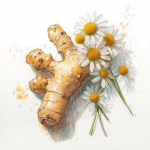
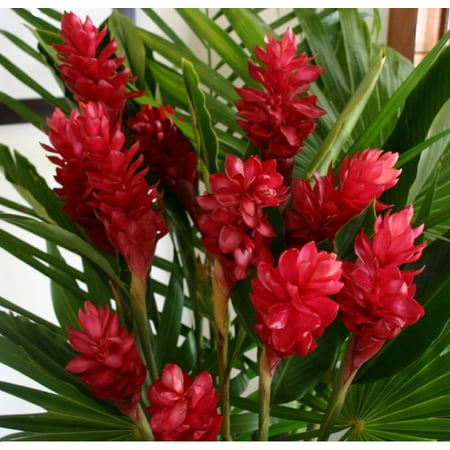
1. Ginger (Zingiber officinale)
Primary Actions: Digestive stimulant, warming herb
Benefits for Kapha
- Stimulates digestion and metabolism
- Helps clear mucus and congestion
- Reduces sluggishness and heaviness
- Improves circulation
Common Uses
- Fresh ginger tea
- Powder in cooking or herbal blends
- Digestive tonics
Ayurvedic Qualities
- Taste: Pungent
- Energy: Heating
- Effect on Dosha: Reduces Kapha and Vata

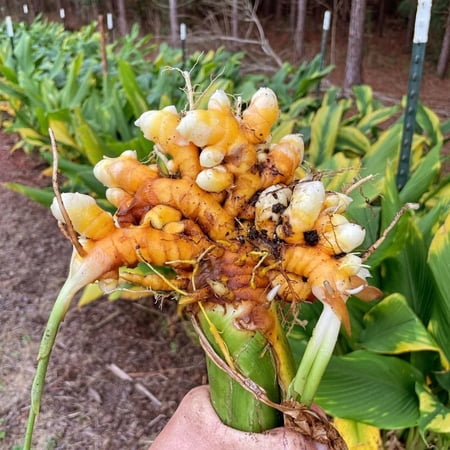
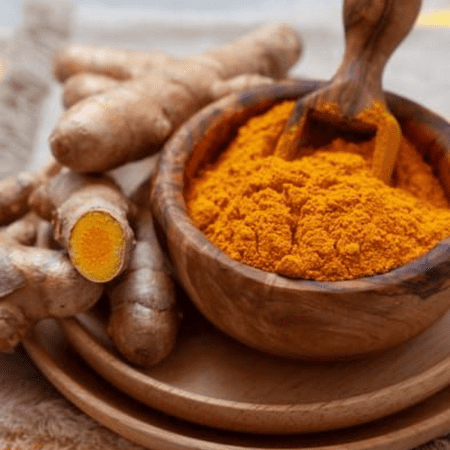
2. Turmeric (Curcuma longa)
Primary Actions: Anti-inflammatory, detoxifying herb
Benefits for Kapha
- Supports liver detoxification
- Reduces inflammation
- Helps regulate metabolism
- Supports respiratory health
Common Uses
- Cooking spice
- Golden milk
- Capsules or powders
Ayurvedic Qualities
- Taste: Bitter, pungent
- Energy: Heating
- Effect on Dosha: Balances Kapha and Pitta



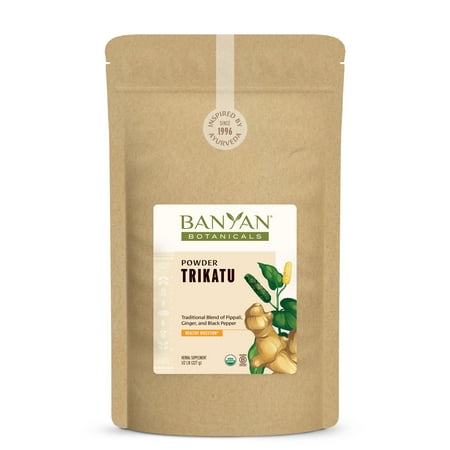
3. Trikatu (Ginger, Black Pepper, Long Pepper)
Primary Actions: Powerful digestive stimulant
Benefits for Kapha
- Boosts metabolism
- Improves nutrient absorption
- Helps reduce mucus accumulation
- Supports weight management
Common Uses
- Powder in herbal formulations
- Capsules or digestive blends
Ayurvedic Qualities
- Taste: Pungent
- Energy: Heating
- Effect on Dosha: Reduces Kapha
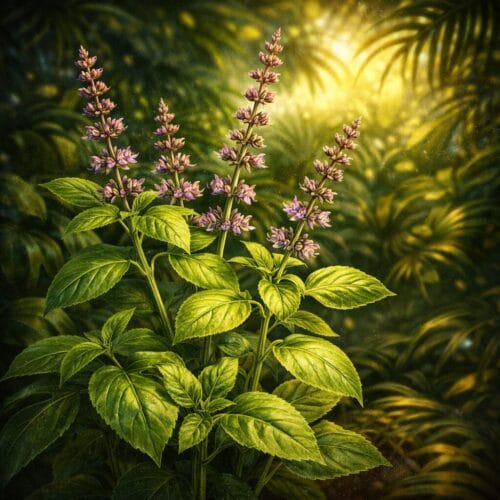
4. Tulsi (Holy Basil)
Primary Actions: Respiratory tonic, immune support
Benefits for Kapha
- Helps clear respiratory congestion
- Supports immune health
- Improves mental clarity and energy
- Helps reduce excess mucus
Common Uses
- Tulsi tea
- Capsules or herbal extracts
Ayurvedic Qualities
- Taste: Pungent, bitter
- Energy: Heating
- Effect on Dosha: Reduces Kapha and Vata




5. Cinnamon (Cinnamomum verum)
Primary Actions: Warming digestive stimulant
Benefits for Kapha
- Enhances metabolism
- Helps regulate blood sugar
- Improves circulation
- Reduces coldness and sluggishness
Common Uses
- Herbal tea
- Cooking spice
- Powder in herbal formulas
Ayurvedic Qualities
- Taste: Sweet, pungent
- Energy: Heating
- Effect on Dosha: Reduces Kapha and Vata

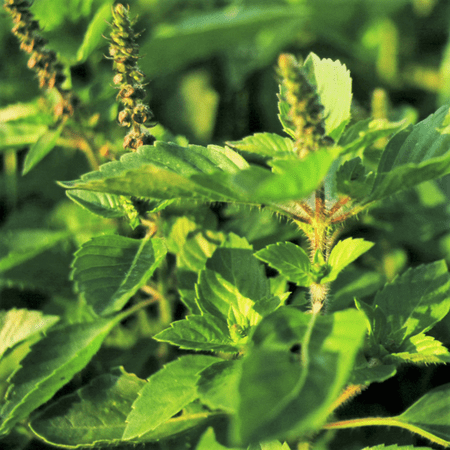
6. Musta (Cyperus rotundus)
Primary Actions: Digestive support, detoxifying herb
Benefits for Kapha
- Improves sluggish digestion
- Supports detoxification
- Helps regulate metabolism
- Reduces heaviness
Common Uses
- Powder or decoction
- Ayurvedic herbal formulations
Ayurvedic Qualities
- Taste: Bitter, pungent
- Energy: Cooling but drying
- Effect on Dosha: Balances Kapha and Pitta



Additional Herbs Commonly Used To Balance Kapha Dosha
- Black Pepper – stimulates digestion and metabolism
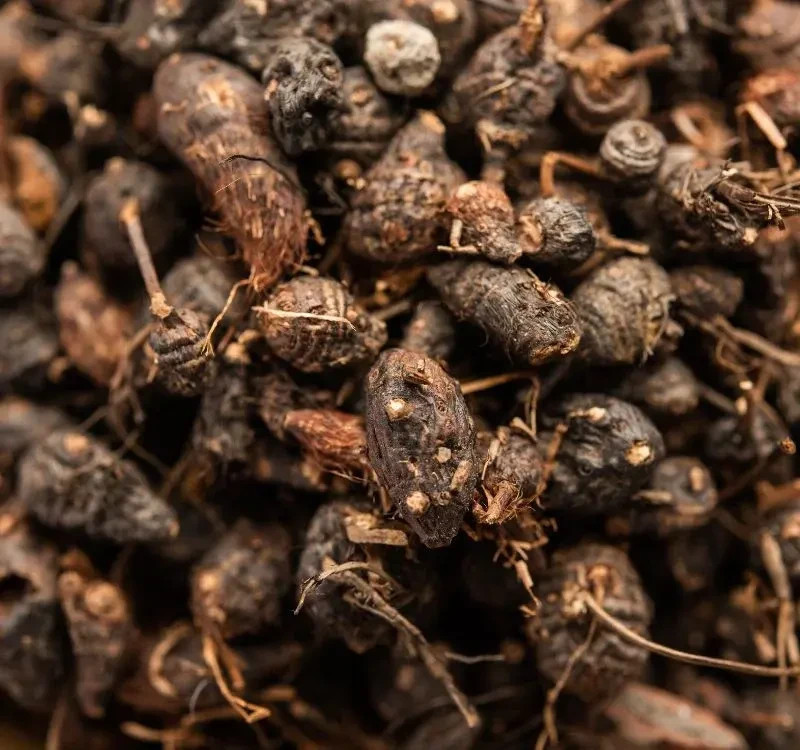
- Pippali (Long Pepper) – respiratory and digestive stimulant
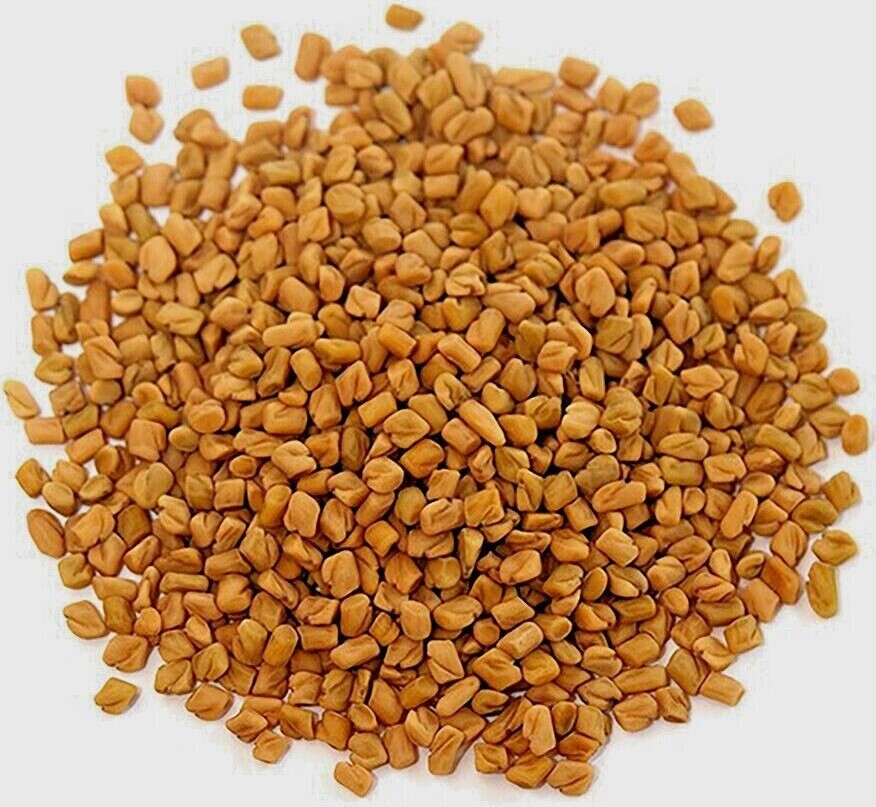
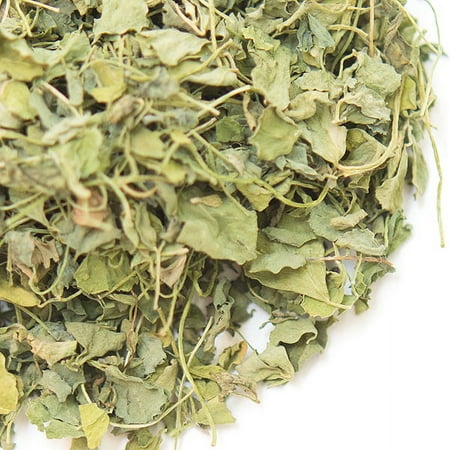
- Fenugreek – supports metabolism and digestion
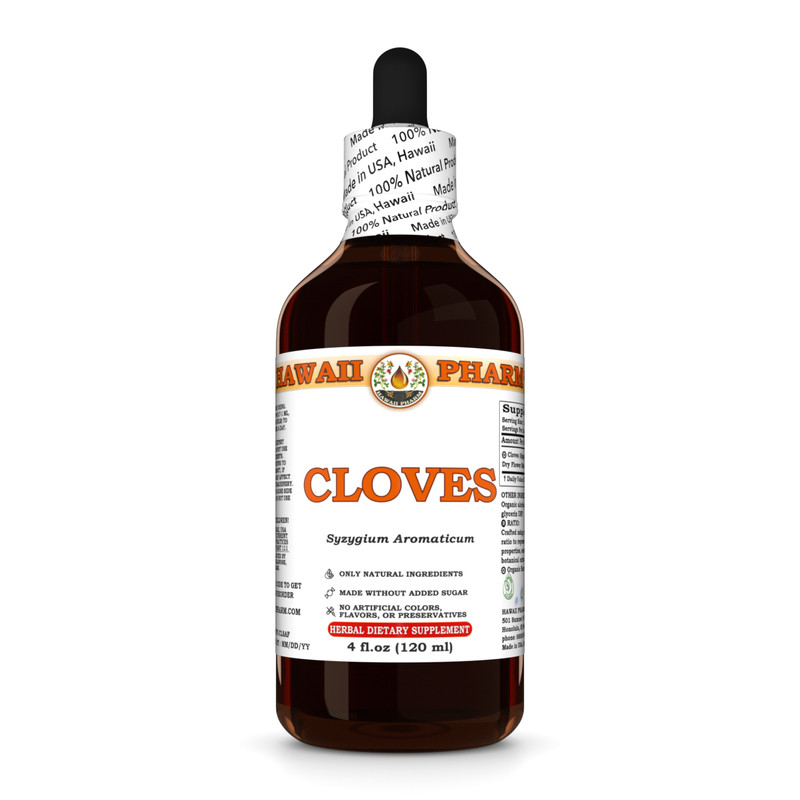
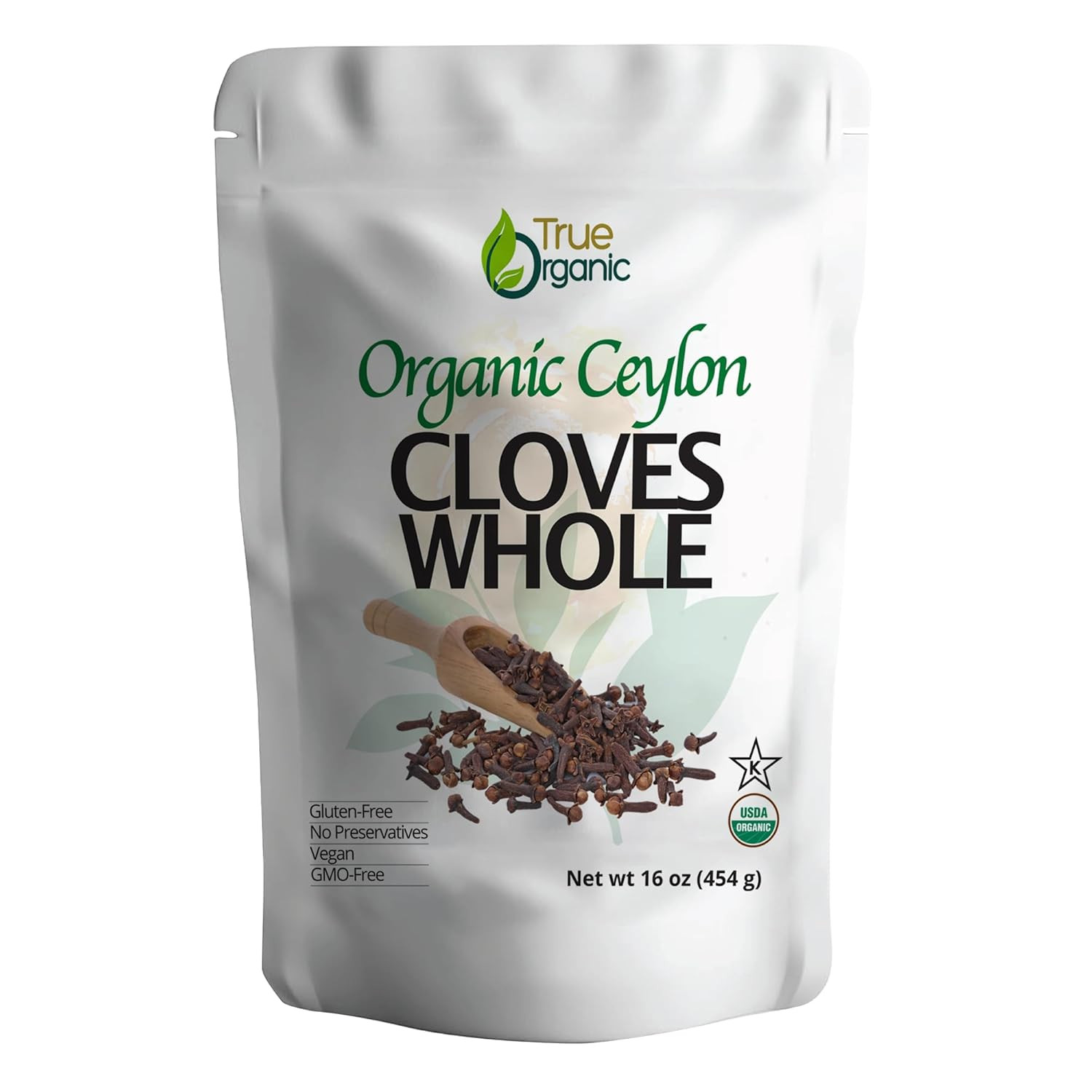
- Clove – warming spice for respiratory health
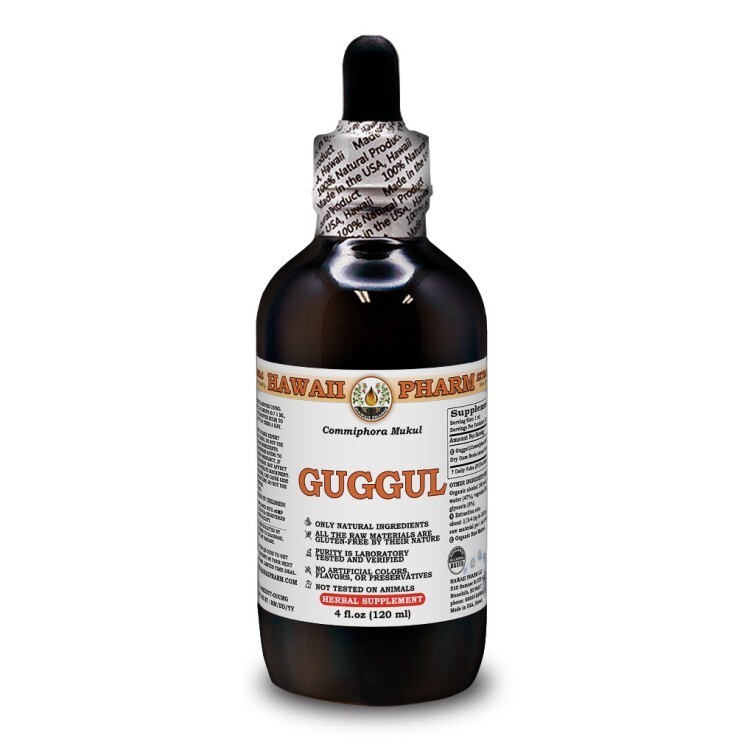
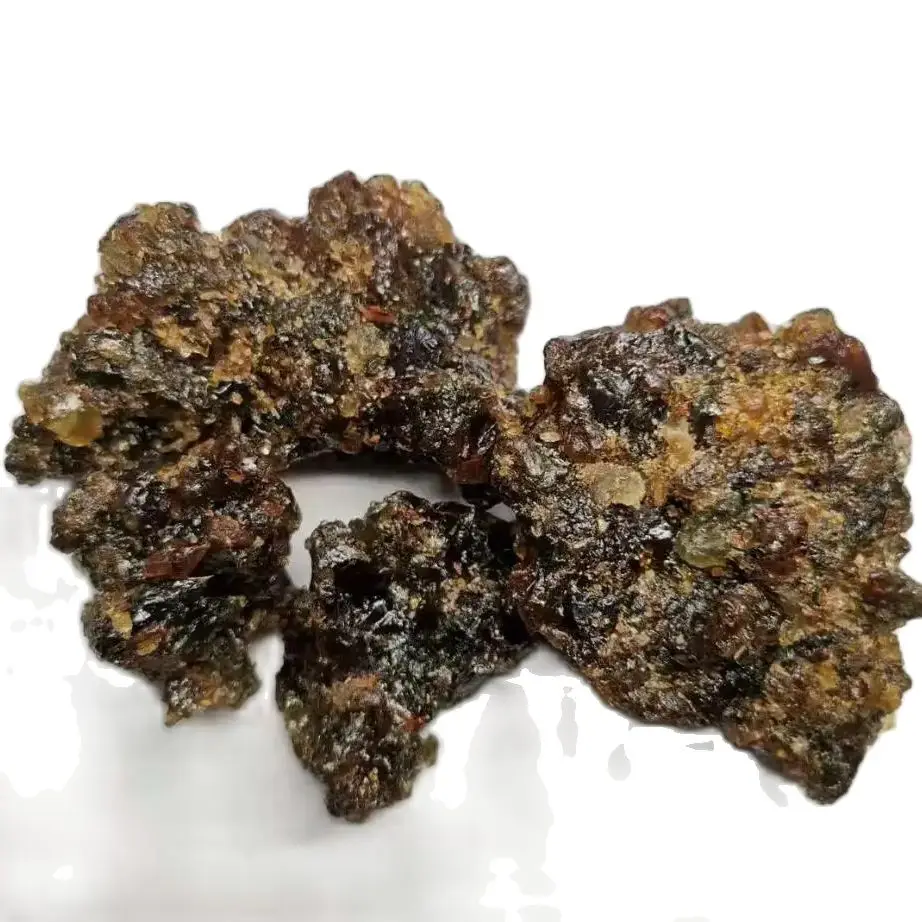
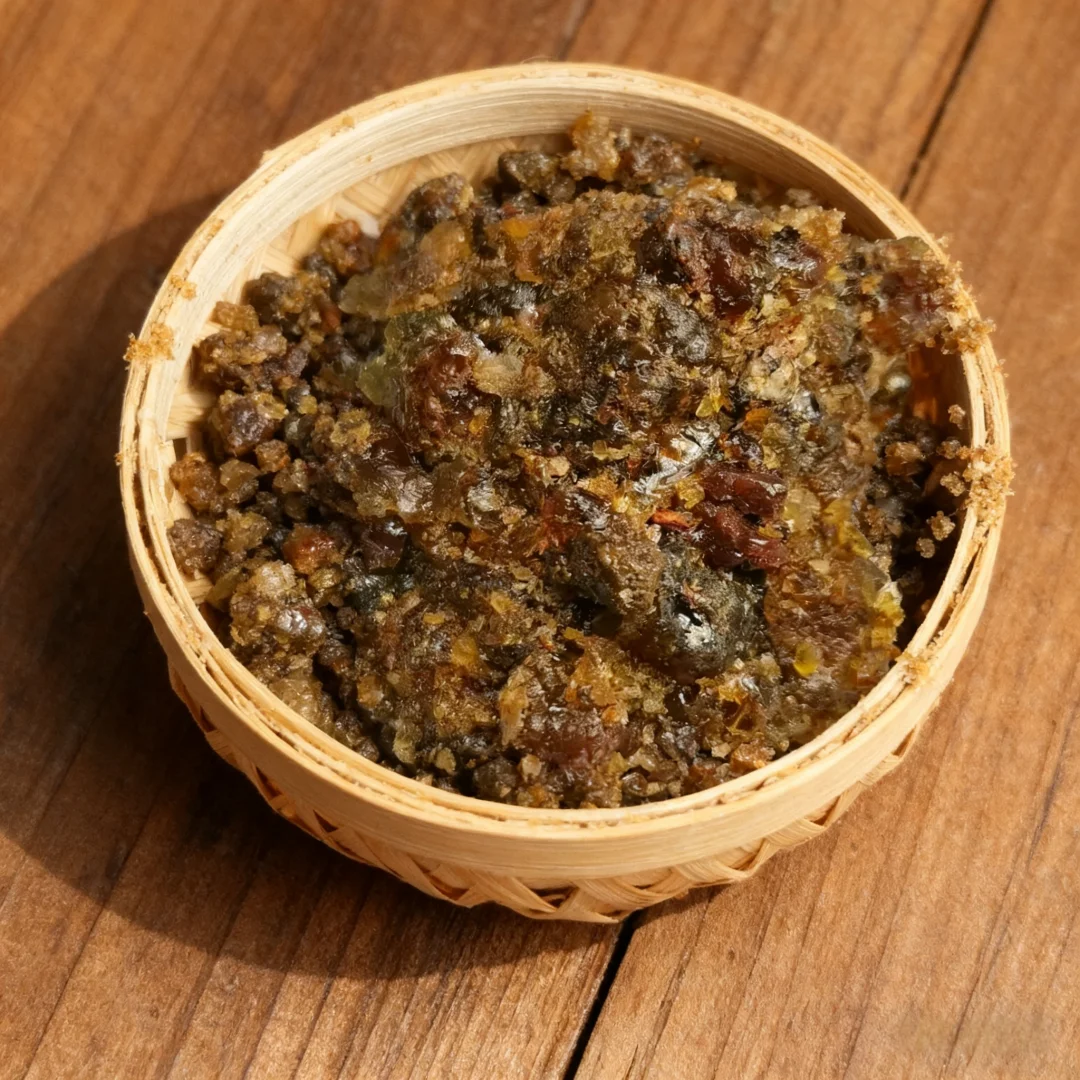
- Guggulu – supports metabolism and detoxification
Achieve your ayurvedic dosha balance

Kapha Energising Reducing Herbal Tea
Ingredients:
- ½ tsp grated fresh ginger
- ¼ tsp cinnamon powder
- Pinch of black pepper
Simmer in 2 cups water for 10 minutes, strain, and drink warm.
Benefits:
- Stimulates metabolism
- Clears congestion
- Boosts energy
Lifestyle Tips to Balance Kapha
Herbs work best with supportive lifestyle habits:
Favor light, warm, and spicy foods
Engage in regular physical activity
Avoid heavy, oily, and overly sweet foods
Wake up early and maintain an active daily routine
Practice stimulating breathing exercises such as Kapalabhati
Ayurvedic Herb Chart To Balance Kapha Dosha
| Herb | Key Benefits for Kapha | Traditional Ayurvedic Actions | Common Uses |
|---|---|---|---|
| Ginger | Stimulates digestion, clears mucus, boosts metabolism | Digestive stimulant (Deepana), carminative | Ginger tea, cooking spice, digestive blends |
| Turmeric | Reduces inflammation, supports detoxification | Blood purifier, anti-inflammatory herb | Cooking spice, golden milk, capsules |
| Trikatu (Ginger, Black Pepper, Pippali) | Improves metabolism, reduces mucus, enhances digestion | Powerful digestive stimulant, metabolic booster | Powder blends, capsules, Ayurvedic formulations |
| Tulsi (Holy Basil) | Clears respiratory congestion, boosts immunity | Respiratory tonic, warming adaptogen | Herbal tea, capsules, extracts |
| Cinnamon | Improves circulation, supports metabolism | Warming digestive spice | Tea, spice blends, cooking |
| Black Pepper | Stimulates digestion and metabolism | Digestive stimulant, bioavailability enhancer | Spice in food, herbal formulas |
| Pippali (Long Pepper) | Supports respiratory health and digestion | Rejuvenative for lungs, digestive stimulant | Herbal powders, Ayurvedic formulas |
| Fenugreek | Supports metabolism and blood sugar balance | Digestive and metabolic herb | Seeds in cooking, herbal teas |
| Clove | Supports respiratory system, warms digestion | Aromatic stimulant, antimicrobial herb | Tea blends, spice in cooking |
| Guggulu | Supports metabolism, detoxification, and joint health | Detoxifying resin, metabolic stimulant | Capsules, Ayurvedic formulas |


Best Herbal Preparations for Kapha
Balance Kapha Dosha with warming and stimulating herbal preparations, including:
- Hot herbal teas
- Spice-based digestive tonics
- Powdered herbal blends with warm water or honey
- Herbal decoctions
These preparations help reduce heaviness, congestion, and sluggish metabolism, which are common signs of Kapha imbalance.

Kapha Energising Reducing Herbal Tea
Ingredients:
- 2 tbsp grated fresh ginger
- 1 cinnamon stick
- 3 cardamom pods
- 4 cloves
Simmer in 2 cups water for 10 minutes, strain, and drink warm.
Benefits:
- Stimulates metabolism
- Clears congestion
- Boosts energy

You may also like to take the the Ayurvedic Prakriti & Hawkins Consciousness Assessment which will provide you an estimated vibrational resonance on the David Hawkins Scale. Answer 7 questions, one at a time, to reveal: – Dosha Classification (Vata, Pitta, Kapha, or Dual-Dosha), your Estimated Consciousness Level (1-1000) as well as actionable herbs and Solfeggio frequencies for rebalancing.
Or try our latest quiz to determine your ayurvedic dosha type.