
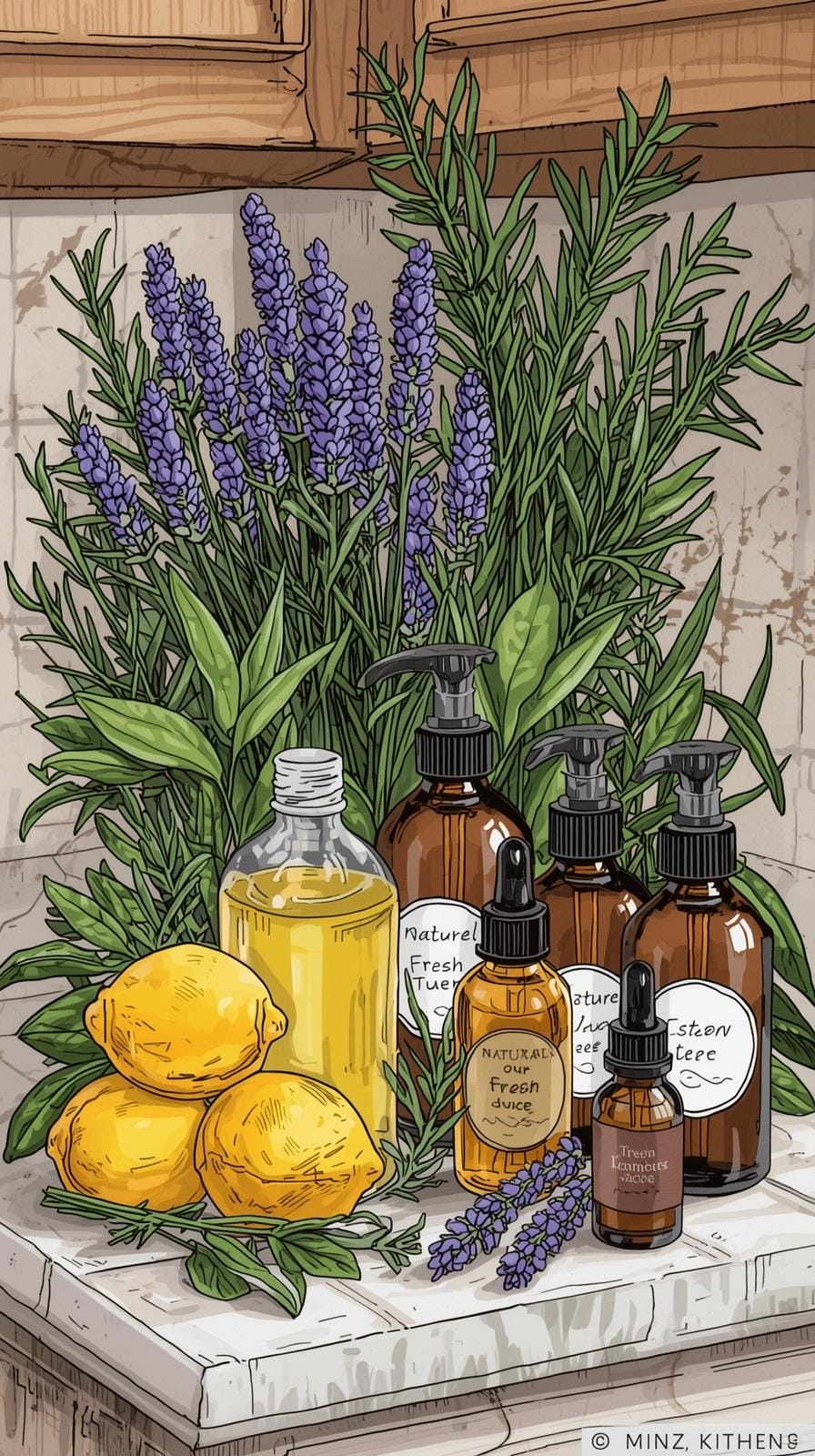
In a world increasingly reliant on pharmaceuticals, an astounding 57.6% of the adult population have turned to herbal remedies in the last 12 months1Lee, E Lyn et al. “Prevalence and Patterns of Use of Natural Health Products and Medicines in New Zealand: A Pilot Study Using an Online Market Research Panel.” Drugs – real world outcomes vol. 12,2 (2025): 237-265. doi:10.1007/s40801-025-00482-1 for their health needs, seeking natural solutions right from their homes. DIY herbal remedies not only offer a cost-effective alternative but also empower you to add complementary health treatments with ingredients sourced from your garden or local market.
This guide compliments the herbal remedies calculator by offering some more detail about remedies and how to make them, ensuring you understand the specific benefits of each herb, from soothing chamomile to invigorating ginger. Drawing on centuries of traditional practices and modern expert insights, you’ll discover the essential herbs that can alleviate common ailments, the best methods for preparation, and the precautions necessary for effective and safe use. Gain invaluable knowledge to confidently create personalized remedies tailored to your needs. Explore the world of herbal medicine and unlock the potential of nature’s pharmacy, starting with the foundational concepts of what herbal remedies truly are.
Types of Herbal Remedies
There are several popular methods for preparing herbal remedies, each serving different purposes and offering unique advantages.
1. Teas
Herbal teas, or infusions, are one of the simplest and most accessible ways to harness the benefits of herbs. They are made by steeping herbs in hot water, allowing the active compounds to leach into the liquid. This method is ideal for extracting flavors and volatile oils, particularly from delicate flowers and leaves.
2. Tinctures
Tinctures are concentrated herbal extracts made by soaking herbs in alcohol or glycerin. This process draws out the medicinal properties from the plant material, creating a potent solution that can be taken in small doses. Research shows that tinctures typically offer higher concentrations of active ingredients compared to teas, making them suitable for treating more serious conditions.
3. Salves
Herbal salves are topical preparations made by combining herbal infusions or extracts with a fatty base, such as beeswax or coconut oil. Salves are beneficial for addressing skin conditions, soothing inflammation, or providing localized relief for aches and pains. The fat in the salve helps to carry the active compounds into the skin, enhancing absorption.
Step-by-Step Guide: Making Herbal Tea
Creating your own tea based herbal remedies is straightforward and rewarding. Follow these steps for a successful infusion:
1. Select Your Herbs: Choose dried or fresh herbs based on the desired health benefits. For example, chamomile is perfect for relaxation, while peppermint aids digestion.
2. Measure the Herbs: Use approximately 1-2 teaspoons of dried herbs or 1-2 tablespoons of fresh herbs per cup of water.
3. Boil Water: Bring fresh, filtered water to a rolling boil. The water quality influences the flavor and efficacy of the tea.
4. Steep the Herbs: Pour the boiling water over the herbs in a teapot or cup. Cover and let steep for 5-10 minutes, depending on the herb and desired strength. For example, chamomile benefits from a longer steep for maximum flavor extraction.
5. Strain and Serve: After steeping, strain the herbs using a fine mesh strainer or tea infuser. Enjoy your herbal tea hot or iced, and consider sweetening with honey or adding lemon for extra flavor.
Herbal Remedies for Common Ailments
DIY herbal remedies are a time-honored approach to addressing everyday health issues. By utilizing the natural properties of herbs, you can create effective remedies for a variety of common ailments. Below are three herbal solutions tailored to three prevalent health concerns: cold and flu, digestive issues, and anxiety and stress relief. All of which you can treat with holistic complementary herbal remedies
1. Cold and Flu
When the cold and flu season strikes, herbal remedies can provide much-needed relief.
Echinacea, in particular, has long been relied upon for its immune-boosting properties. Research shows that echinacea can reduce the duration and severity of cold symptoms when taken at the onset of illness. To prepare an echinacea tincture, combine 1 part dried echinacea root with 5 parts alcohol (such as vodka) in a glass jar. Seal it tightly and let it steep for 4-6 weeks, shaking occasionally. Strain the mixture and store it in a dark bottle. Take 1-2 teaspoons at the first sign of a cold.
Ginger is another powerful ally against cold and flu. Its anti-inflammatory properties can help soothe a sore throat and reduce congestion. A simple ginger tea can be made by slicing fresh ginger and steeping it in hot water for 10 minutes. Adding honey and lemon not only enhances the flavor but also provides additional soothing effects.
2. Digestive Issues
Digestive discomfort is a common ailment that can often be alleviated with herbal remedies.
Peppermint is particularly effective for relieving symptoms of irritable bowel syndrome (IBS) and general digestive distress. A study published in the Journal of Gastroenterology indicated that peppermint oil capsules significantly reduced IBS symptoms. For quick relief, brew peppermint tea by steeping 1-2 teaspoons of dried leaves in boiling water for 5-10 minutes.
Chamomile also aids digestion by reducing bloating and gas. To prepare chamomile tea, steep 1-2 teaspoons of dried flowers in hot water for 5-10 minutes. Drinking this tea after meals can help calm your digestive tract and promote relaxation.
3. Anxiety and Stress Relief
In today’s fast-paced world, many individuals seek natural solutions to combat anxiety and stress.
Lavender is highly regarded for its calming effects. A systematic review in the Journal of Clinical Psychiatry found that lavender oil can help reduce anxiety levels. For a simple remedy, consider making a lavender-infused pillow sachet by filling a small cloth bag with dried lavender flowers. Place it under your pillow or near your bedside for a calming aroma while you sleep.
Another effective herb is lemon balm, which is known for its ability to ease tension and promote relaxation. To create a lemon balm tea, steep 1-2 teaspoons of dried leaves in hot water for 5-10 minutes. This herbal infusion can be a soothing addition to your evening routine, helping to prepare you for restful sleep.
4. Balance Hormones
A lesser-known advantage of herbal medicine is its ability to help maintain hormonal balance, especially for those affected by modern environmental toxins. Knowing how herbal remedies are used in this way can empower people to manage their health through natural, plant-based methods. Today, endocrine-disrupting chemicals found in plastics, cosmetics, household cleaners, and other products are almost unavoidable. These chemicals are linked to hormone imbalances and can contribute to serious illnesses, including cancer. Hormonal imbalances are particularly challenging for women, leading to irregular periods, fertility issues, and menopausal symptoms. Therefore, reducing exposure to endocrine disruptors and using hormone-supporting herbs like black cohosh and wild yam can aid in maintaining endocrine health.
5. Natural Pain Relief
Pain mainly results from inflammation, and herbs that have anti-inflammatory and antioxidant effects can serve as a natural alternative to traditional pain relief drugs. These substances may help lower inflammation and ease pain without the risk of addiction or the harmful side effects often linked to many over-the-counter and prescription painkillers.
References
- 1Lee, E Lyn et al. “Prevalence and Patterns of Use of Natural Health Products and Medicines in New Zealand: A Pilot Study Using an Online Market Research Panel.” Drugs – real world outcomes vol. 12,2 (2025): 237-265. doi:10.1007/s40801-025-00482-1 ↩︎