

Research indicates that adults tend to come down with the flu approximately twice a decade, with attacks ranging in strength from mild tiredness to high fever and body pains.
Home remedies for flu symptoms have soothed for generations, mixing herbal teas and steam with tender loving care. Exploring these tried-and-true strategies, paired with current understanding, provides readers relief and promotes innate healing at home.
The next sections address realistic, practical, effective options.
Key Takeaways
- Knowing the difference between flu, cold, and COVID-19 allows you to select appropriate home remedies and when to get medical care.
- Symptoms of the flu and what home remedies to consider first.
- While these home remedies like honey, humidifiers, and nasal rinses can ease symptoms and provide comfort for most people, they won’t cure the flu.
- Say no to antibiotics for viral infections, no aspirin to children, and no excess alcohol and cigarettes for complications and quick recovery.
- Be on the lookout for severe symptoms such as difficulty breathing, high fever, or chest pain in high-risk populations and seek medical assistance if they present themselves.
- Maintaining a clean, well-aired room stocked with necessities will allow you to ride out these symptoms at home and not share the bugs with others.
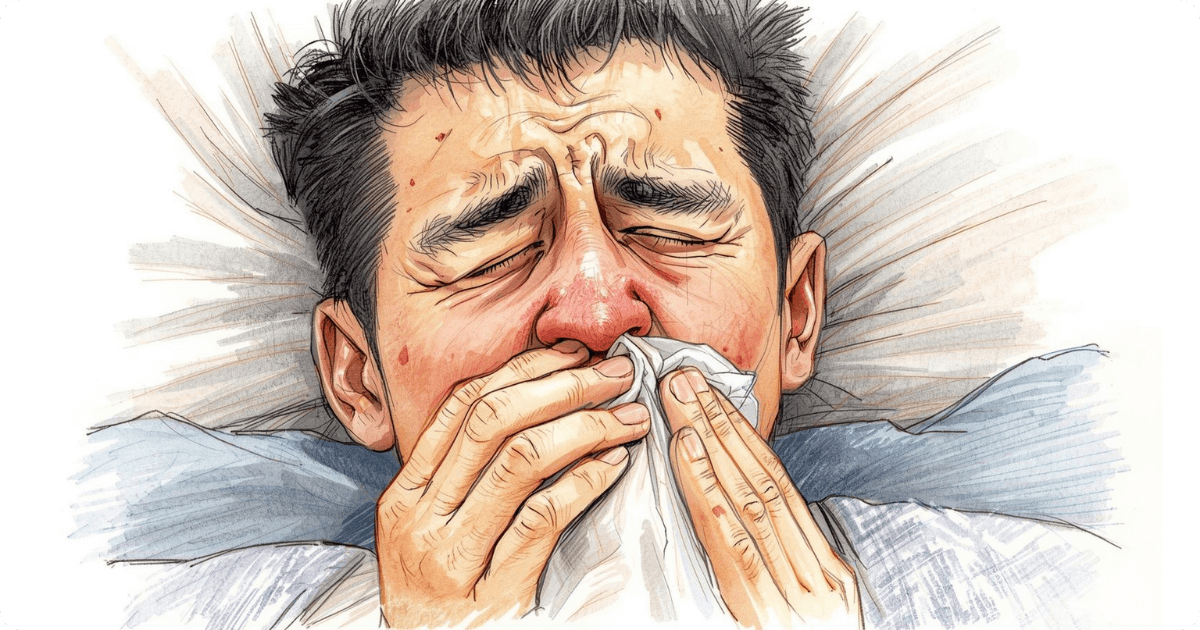
Flu or cold?
Knowing flu from cold is not just interesting; it guides how we treat ourselves and other people. The viruses responsible for these illnesses — mostly rhinovirus for colds and influenza viruses for flu — spread most often in cold, dry air, which is why late fall to early spring is the ‘flu season’ in many parts of the world.
Flu likes to attack quickly, with a high fever and serious body aches. The cold develops slowly with mild symptoms. The lousier flu seasons have a tendency to associate with a potentially more complications-causing common strain called influenza A (H3N2), which tends to hit kids and at-risk adults a bit harder.
Treatments vary in timing and intensity. Both respond to rest and fluids, but the flu may need to be addressed sooner with antivirals, and symptoms carefully monitored. COVID-19, RSV and even human parvovirus B19 can all masquerade as these symptoms, so paying attention to the particulars counts.
| Symptom | Flu | Cold | COVID-19 |
|---|---|---|---|
| Onset | Sudden | Gradual | Varies |
| Fever | High (≥38°C) | Rare/Mild | Common, sometimes prolonged |
| Body aches | Prominent | Mild/Absent | Possible |
| Fatigue | Severe | Mild/Moderate | Sometimes severe |
| Cough | Dry, persistent | Mild, hacking | Dry, can be severe |
| Sore throat | Sometimes | Common | Common |
| Nasal symptoms | Occasionally | Common (stuffy/runny nose) | Sometimes |
| Headache | Common | Rare | Sometimes |
| Loss of taste/smell | Rare | Rare | Common |
| Shortness of breath | Rare | Rare | Sometimes, with severe disease |
Signs
- Sudden high fever (≥38°C)
- Intense chills and shivering
- Severe muscle aches or joint pain
- Headache, sometimes behind the eyes
- Persistent, dry cough
- Pronounced fatigue, weakness
Cold symptoms are mild or there is no fever, there is a gradual onset, and there is a stuffy or runny nose along with a sore throat. Most resolve within 7 to 10 days, though some colds can linger for up to two weeks.
Red flags for influenza include chills, persistent headache, chest discomfort, or shortness of breath. These may indicate more serious involvement, like pneumonia or bronchitis.
Certain COVID-19 symptoms, such as cough, fever, or fatigue, cross over with flu and cold. Sudden loss of taste or smell is more common with COVID-19, so watch out for this distinction.
Testing
At symptom onset, use an at-home COVID test to rule out coronavirus. If symptoms are strongly indicative of flu, go for a rapid influenza A/B test. Early tests are crucial because antivirals are most effective within 48 hours.
Watch temperature daily and when symptoms started. Maintaining a symptom diary, including cough type, nasal drip, and sore throat, can help guide treatment and alert you to deterioration.
Tracking these specifics assists in distinguishing flu, cold, and other ailments, particularly in vulnerable populations or if symptoms persist.
Warnings
Consider breathing issues, chest pain, confusion, or dehydration emergencies. These severe symptoms could signal a scary complication.
Move fast if there’s lingering high fever, bad body aches, blue lips or oxygen issues. High-risk populations, including kids, seniors, and those with compromised immune systems, are particularly susceptible.
A wet cough with chest pain and rapid breathing may indicate pneumonia or bronchitis. For anyone with asthma, kidney disease, or chronic illness, increase care if symptoms worsen.
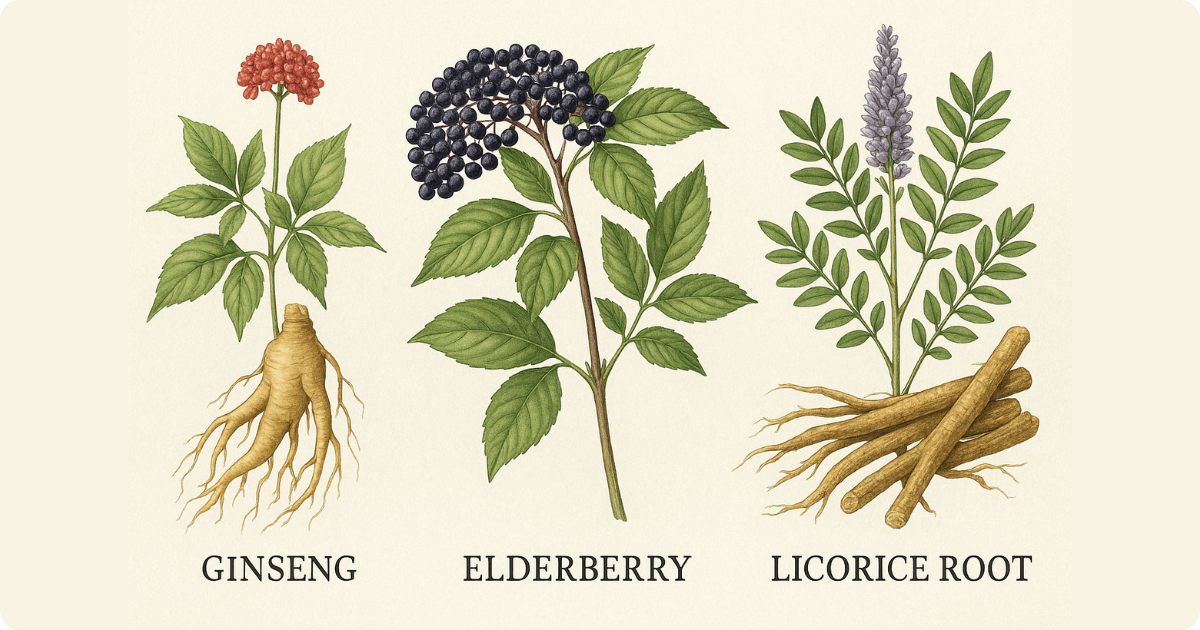
Natural home remedies for flu symptoms
Anything but straightforward, flu relief is often found in humble, habitual layering of practices that honor both body and spirit. The proper blend of rest, fluids, warmth and tender loving care can mellow symptoms, nourish the soul and tenderly nudge the immune system’s labor. While many of these natural remedies come from a mix of ancient wisdom and contemporary science, they provide options that are widely available, generally safe, and supportive for most adults.
Rest
By putting rest first, you clear room for your immune system to do its best. Sleep at night and via naps repairs the body and reduces inflammation. Dimly lit, calm sounding, and screen-free evenings promote deeper, more restorative sleep cycles.
By minimizing housework and vigorous exercise, you minimize stress hormones and enable your body to send more energy to healing. A consistent daily schedule of medications, teas, and bedtimes can help promote healing, particularly when your energy seems fickle or depleted.
Fluids
Regular fluids are essential for diluting mucus and staying hydrated. Warm water, mild herbal teas, clear broths and soups are comforting and assist in loosening congestion. If you have a fever, vomiting or diarrhea, electrolyte solutions or ORS (oral rehydration salts) may be useful.
Stay away from alcohol and limit caffeine, as both can exacerbate dehydration. Count your cups; a measure of how many you drink each hour can keep you on track, aiming for at least 200 ml per hour while awake.
Warm soups
Hot chicken soup or bone broth calms the coughing and sore throat. Throw in some veggies and lean proteins for an added dose of nutrition to help you recover even faster. A little pinch of salt, if you are not sodium-restricted, keeps you hydrated and balances your electrolytes.
Research studies1Effects of drinking hot water, cold water, and chicken soup on nasal mucus velocity and nasal airflow resistance have been conducted that show that chicken soup is more effective than hot drinks and water for clearing nasal mucus!
Sip gently, allowing the warmth to soothe your throat and chest.
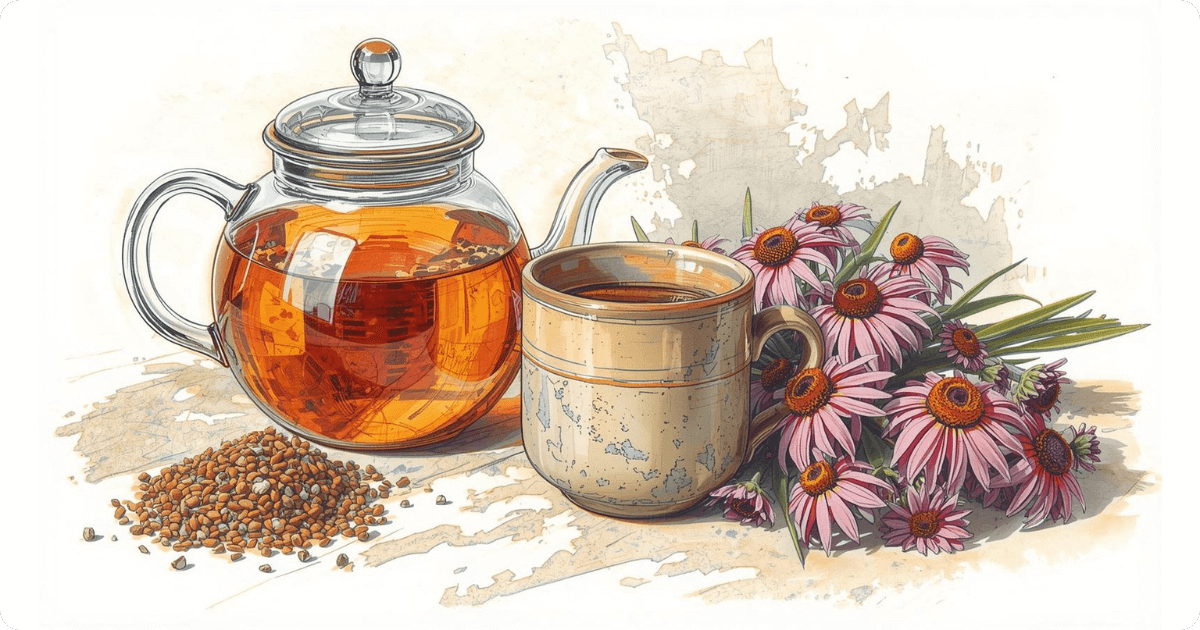
Herbal tea
Many herbal teas are high effective home remedies for flu symptoms. We have listed 3 of our favorites here!
Ginger and peppermint teas can induce calm in nausea and soothe coughs. Star anise tea is occasionally selected for its time-honored flu-fighting properties. Lemon and honey in warm tea provide comfort and a light throat coat.
Rotating in teas like cinnamon or green tea adds variety and can contribute additional antioxidants.
1. Lemon and Honey Tea
This tea helps to bring relief from congestion and improves breathing.
- The juice of 1 lemon
- 2 tablespoons of honey
- 1 cup of boiling water
Pour the freshly boiled water into a mug and stir in the honey. Once the honey has dissolved add the lemon juice. Drink this tea immediately to prevent the vitamin C evaporating.
If you are treating a respiratory virus, you should drink this tea 2 or 3 times each day.
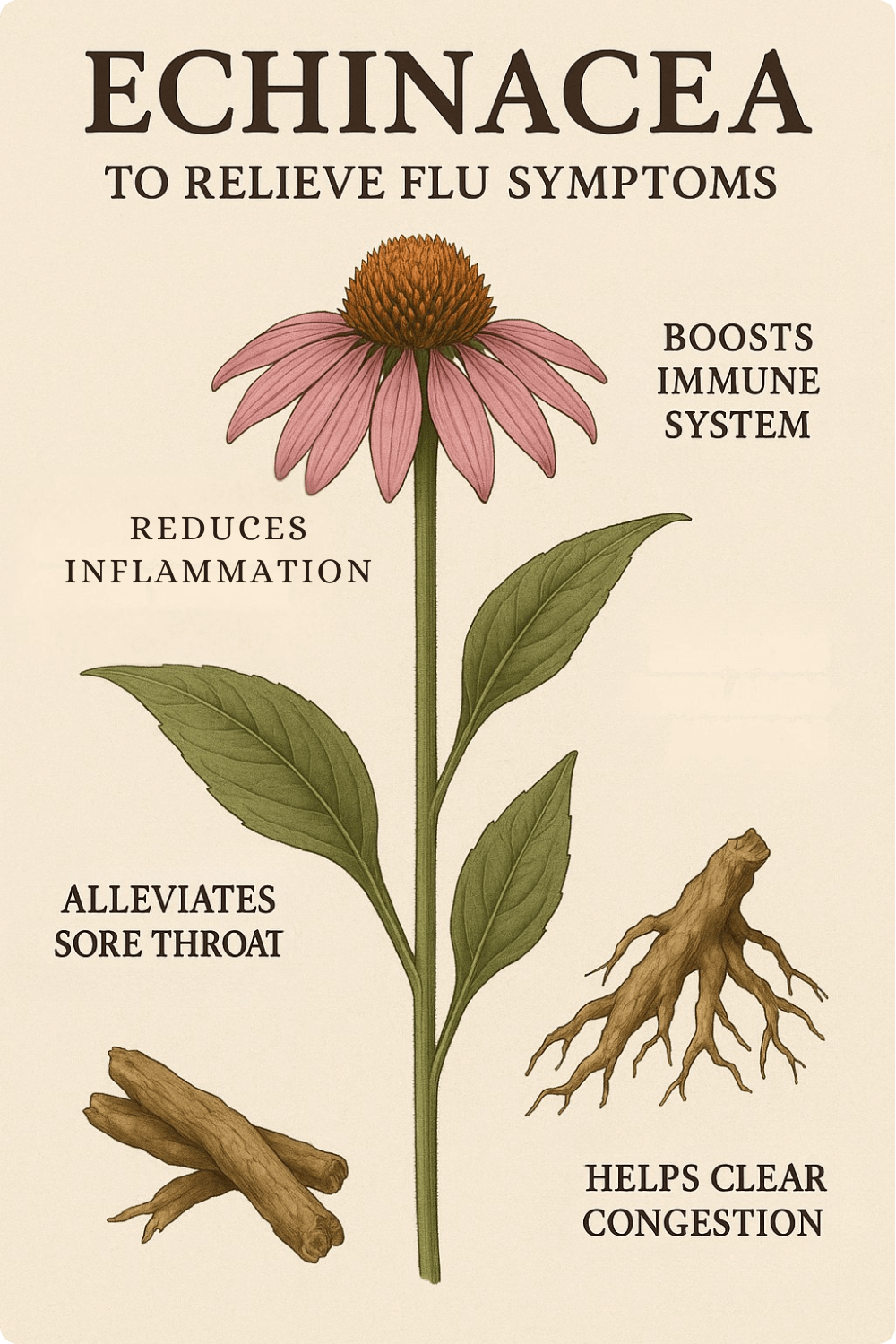
2. Echinacea tea
This tea helps boost your immune system and triggers the sweat glands. This will help with sweating and treating a fever.
- 1 cup of boiling water
- 1 tablespoon of dried echinacea
Pour a mug of boiling water and add the echinacea leaves. Let this brew for 10 minutes. Strain the tea to remove the leaves and drink immediately.
You can also take echinacea capsules which are easily found in pharmacies, natural health stores or online.
3. Elderberry and Linden Tea
Elderberry helps build your strength, while linden acts like echinacea and triggers sweating which helps with fevers.
- 1 teaspoon of elderberry
- 1 teaspoon of linden
- 1 cup of boiling water
Add the elderberry and linden to a mug of boiling water. Cover and allow the tea to brew for 10 minutes. Strain the tea and drink straight away.
Honey
A couple of teaspoons of pasteurized honey at night can quell coughs. Stir some honey into tea or warm water. Honey syrups help with dry, irritating coughs.
Never give honey to infants under 1 year since it can carry botulism.
Humidifier
Cool mist humidifiers introduce moisture to the dry air, relieving cough and nasal congestion. Target 40 to 50 percent indoor humidity. This range keeps airways comfy.
I use only distilled water and make sure to clean it out daily to avoid mold. Set the humidifier near the bed to ensure the mist hits your face, not your sheets.
Steam
Breathing in steam, be it from a hot shower or a bowl of water, loosens that stubborn mucus. Add a drop of peppermint or eucalyptus essential oil for additional relief, if tolerated. Limit sessions to 10 to 15 minutes so you don’t overheat.
Exhale slowly through the nose for optimal benefit.
Nasal rinse
A saline rinse with a neti pot or squeeze bottle thins mucus and clears out your nasal passages. Always use sterile or boiled water to prevent infection. Premade saline packets guarantee safe, gentle salt concentration.
Rinse each nostril gently and blow your nose.
Saltwater
Gargle with half to one teaspoon of salt in a cup of warm water. Repeat every few hours for sore throat relief. Gargle after meals to flush out all of those irritants and viral residue.
Make sure to always spit out the saltwater, then rinse with plain water.
Vitamin C and zinc
Begin vitamin C and zinc supplements at the onset, which is within 48 hours of symptoms. Zinc lozenges, not nasal sprays, can shorten symptom length and soothe a sore throat.
Combine vitamin C with antioxidant foods. Watch for side effects, particularly stomach upset, and modify if necessary. While Vitamin C may not prevent you from becoming ill, a 20132 studyNatural Products for the Flu and Colds: What Does the Science Say? found it does help reduce the severity and duration.
Foods That Fight Infection
Here are some good foods that act as home remedies for flu symptoms and will help you get well sooner!
- Bananas and rice help to soothe upset stomach and stop diarrhea.
- Vitamin C-containing vegetables like bell peppers, broccoli and kale.
- Blueberries help with diarrhea and contain natural aspirin, which helps lower fever and any aches and pains.
- Chili peppers, mustard and horseradish help open sinuses, and clear mucus.
- A study found Onions3Effects of Allium cepa and Its Constituents on Respiratory and Allergic Disorders: A Comprehensive Review of Experimental and Clinical Evidence help keep lungs clear and fight infections.
- Green tea is a natural antibiotic.
- Garlic has antibacterial and antiviral properties.
- Ginseng is popular for reducing the effects of cold symptoms with one study4North American (Panax quinquefolius) and Asian Ginseng (Panax ginseng) Preparations for Prevention of the Common Cold in Healthy Adults: A Systematic Review showing it supports health in the elderly.

Avoid
Thoughtful choices matter in flu recovery. Certain folk remedies and habits, although well-meaning, can in fact extend sickness or introduce undesired side effects. You should avoid certain things.
Antibiotics
Antibiotics cannot treat viruses, such as the flu or cold virus. Taking antibiotics for these illnesses doesn’t accelerate recovery and may promote antibiotic-resistant bacteria, which is a worldwide problem.
Antibiotics can upset the healthy balance of good bacteria in the gut, causing digestive problems or secondary infections. It is smart to save them for obvious bacterial infections like bacterial pneumonia or a confirmed sinus infection.
Be on the lookout for symptoms such as earache, sinus pain, or a wet cough that comes back hard after getting better; these could be a secondary bacterial infection and require professional treatment. Remember to take antibiotics only as prescribed and finish the full course to protect both yourself and public health.
Aspirin
Kids and teens should never be given aspirin when sick with the flu or chickenpox, as it carries the risk of Reye syndrome, a rare but fatal condition. Instead, acetaminophen (Tylenol) or ibuprofen (Advil, Motrin) should be used to lower fever and relieve aches.
Always read the ingredients in cold and flu medicines, as many will combine medications and double dosing acetaminophen can be dangerous to the liver. As with any fever reducer, space doses apart and keep track to ensure they do not overlap.
For younger children, steer clear of lozenges and hard candies, as they are a choking hazard.
Alcohol
Alcohol use with flu illness magnifies dehydration and sleep disruptions and can suppress your immune system. Combining alcohol with drugs such as cough syrup or acetaminophen can cause liver damage or other serious side effects.
Instead, opt for warm teas, clear broths or even just water. These hydrate and soothe. The recovery phase can be a built-in reset to help you build better long-term habits that promote immunity and wellness.
Smoke
Smoking and secondhand smoke irritate your nasal passages, exacerbate your cough, and impede healing by damaging your lung cells. By keeping your home smoke-free, particularly during flu season, you are protecting everyone’s respiratory health.
Fresh indoor air, along with humidifiers or steam, can help loosen breathing and congestion. Smoke avoidance is even more crucial for kids, whose lungs are more fragile.
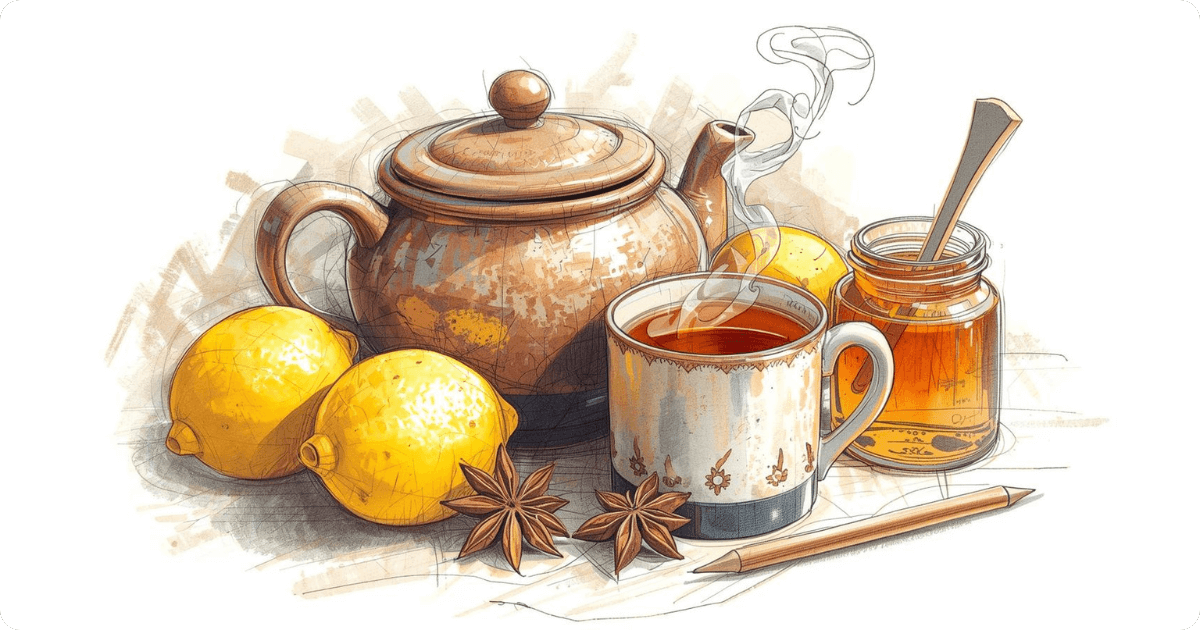
Flu symptoms
Flu symptoms come on fast, are typically worse than a cold and tend to wipe you out. Flu is a bit of an enigma, with various strains and seasons determining which symptoms take precedence and duration. The majority of us get over it in a week, but coughs and runny noses can remain. Early identification and supportive care are essential to shorten the course and ease symptoms.
- Sudden fever and chills
- Persistent cough (dry or wet)
- Sore throat, scratchy or painful
- Nasal congestion or runny nose
- Muscle aches and headache
- Fatigue, often profound
- Sometimes, diarrhea or loss of appetite
Chills, headache, congestion, and runny nose are common symptoms. Unlike the cold, the flu hits fast and hard. Colds come on slowly and with less severe symptoms, whereas flu will lay you out within hours. The variability of the flu, influenced by its viral strain and season, causes every individual’s symptom profile to appear a little different.
Fever
Fever is a hallmark of the flu, with chills and sweats. Monitor your temperature two to four times per day, noting any spikes or abnormal patterns. This assists you in tracking progress and spotting caution flags of complications.
Acetaminophen or ibuprofen, taken as directed on the package, can lower fever and ease aches. Don’t give aspirin, particularly to kids or young adults, because of the danger of severe side effects. Drinking lots of fluids and using a warm cloth or sponge bath to help decrease body temperature can prevent dehydration.
If you continue to experience moderate fever or chills for several days, see a doctor.
Cough
Coughs are mixed—dry early, wet sometimes later. Knowing which kind you’re dealing with can help guide your approach. Warm teas, honey, and menthol cough drops can soothe throat irritation.
Humidified air and additional fluids dilute mucus, which makes coughs easier. Guaifenesin, an expectorant, can help clear mucus. At night, a cough suppressant could help you catch some sleep if coughing keeps waking you.
Steam, whether from showers or soup, provides extra relief to most.
Nose
Nasal congestion and runny nose can be merciless. Saline sprays, drops, or gentle irrigation provide safe relief by opening your nasal passages and loosening thick mucus. Short, steamy showers open up congested sinuses.
A cool mist humidifier helps keep the air moist and relieve stuffiness and dryness. Decongestants can be used for only a few days, or else there is a risk of rebound congestion. Soft nose blowing avoids irritation and additional pain.
Throat
Sore throat usually comes as a pair with other symptoms and that makes eating and talking downright painful. Gargling with warm salt water or sipping lemon tea eases pain and inflammation.
Benzocaine throat lozenges offer numbing relief. Hot soups and drinks lubricate your throat, easing the pain of coughing. Resting your voice and staying out of cold air help you heal and reduce irritation.
Aches
They can be exhausting. Acetaminophen or ibuprofen, dosed as directed, control pain. Warm baths or a heating pad relax tight sore muscles.
Keeping hydrated is important, as you lose water from your body due to fever and diarrhea. Choose light, protein-rich or bland foods to energize your body’s healing process.
Zinc, found in nuts, legumes, or supplements, can help relieve symptoms. Pacing and rest support inflammation and healing.
My method
Your smart home flu remedy plan is a mix of home remedies for flu symptoms, comfort, symptom management and light prevention. Flu tends to suck both energy and spirit, so it helps to have a plan to get through each day. Rest, liquids, and observation are key. I think a lot of us feel that just staying in bed, drinking water and measuring your temperature helps guide when to use OTCs or get help.
Set up a ‘remedies station’ with your teas, broths, honey, saline, and cough drops within an arm’s reach to eliminate the stress of moving around. Basic isolation precautions, such as sleeping separately, washing hands often, and using separate utensils, go a long way in limiting transmission in the home.
Space
Assign a cozy sick room. This area needs a comfy bed, a mountain of Kleenex, a trash can with a bag, and a damp washcloth for hands or forehead. Keep the workspace clear so you won’t get frustrated when your powers flag.
A cool mist humidifier can make it breathe much easier, particularly at night. Keep a digital thermometer and water bottle handy, so tracking symptoms and keeping hydrated is easy.
Stock a small tray with your soothing essentials: a mug of warm herbal tea, a glass of water, zinc lozenges, and throat lozenges. This arrangement allows you to look after yourself without taking extra journeys.
Clean door handles, bedside tables, and phone screens daily. Use individual spoons, towels, and glasses. These cautious measures trap bacteria and save lives around the house.
Air
Open windows a crack for fresh air, or run a small fan to help push the stale air out! Such a simple step can help reduce virus load inside. Humidify the room to 40 to 50 percent. Moist air makes mucus less gluey and calms dry sinuses.
Steer clear of smoke, incense, or aerosol sprays. They’ll irritate your throat and lungs, which makes symptoms feel worse. Instead, hop in a hot shower, using warm mist to break up congestion and soothe an intense cough.
Others get relief from steam by leaning over a bowl of hot water, placing a towel over their head and the bowl, and breathing in deeply. Constructing a towel tent traps steam and provides additional sinus relief.

Supplies
-
Saline spray and a neti pot are for rinsing out nasal passages and alleviating congestion.
-
Zinc and vitamin C lozenges are important because the immune system is vital and I want to take care of it.
-
Nutritious, easy-to-digest foods include classic chicken soup, broths, clear soups, yogurt, leafy greens, and fresh fruits, all gentle on a sensitive stomach.
-
Extras: A jar of honey for sore throats, a selection of herbal teas, including peppermint and ginger for soothing, cough drops for quick relief, and electrolyte drinks to prevent dehydration.
Some folks say gargling or swishing with salt water diminishes throat pain. If you are under 6, bypass the gargle and opt for a saline spray.
Sleep is underrated. Just laying down and allowing the body to rejuvenate can expedite healing. Monitor your symptoms, hydrate often, and feel free to customize your ‘remedies station’ as your needs evolve.
Recovery
Recovery from the flu is almost never linear. The initial move is setting up a context that allows the body to do what it does best — heal. Sleep is non-negotiable. It’s in those deep, healing hours where your immune system does most of its work.
Hydration should be gentle and regular: take small sips of water, herbal teas, broths, or diluted juice throughout the day. For nutrition, insipid foods such as rice, toast, or steamed veggies can soothe your queasy stomach and energize you. Warm liquids, such as vegetable broth or ginger tea, are comforting and relieve sore throats.
Once you’ve been fever free for a minimum of 24 hours, without medications, and your appetite starts to return, it’s generally fine to introduce some light activity. Pay attention to how your body responds. A quick walk or light stretches can feel rejuvenating, but don’t overdo it.
Feeding your body with protein from lentils, eggs, or tofu, a rainbow of vegetables, and probiotic-rich foods or supplements can provide an added boost to your immunity. Others include zinc or vitamin C supplements, but your mileage may vary. Hand washing and annual flu vaccines are still the mainstays of preventing relapse and future infection.
Timeline
For most adults, a simple flu runs about 5 to 7 days, but it’s normal for tiredness to persist for an additional week or two. The course of disease is typically tri-partite. The initial 48 hours feature fever, chills, and muscle aches that just seem to hit haphazardly.
Days two through four are typically the peak, with cough, congestion, and general malaise being at their worst. Symptoms begin to subside from day five onwards, although energy can still feel sluggish.
If prescribed, antivirals like oseltamivir or zanamivir are most effective when initiated within 48 hours of symptoms. They may reduce the duration of the illness by a day or so but don’t substitute for supportive care.
Through each phase, home remedies such as honey in tea, saline nasal rinses, or steam inhalation can dampen symptoms and provide relief to help accelerate recovery.
Setbacks
Backslides can occur, particularly if a secondary infection develops or a cough lingers. Occasionally, a low-grade fever returns or the fatigue intensifies just when you think you’re going to come out of it. For these, hydrate and go with healthy soups or broths.
If you sense a resurgence of a congested nose or cough, STOP and put rest back at the top of your priority list. A humidifier can ease congestion.
Recovery is almost never linear. Track any new or evolving symptoms and modify your home remedies or medication accordingly. If symptoms deteriorate or fail to improve after a week, consult your physician.
Home remedies for flu provide soothing relief and comfort, combining age-old wisdom with hands-on care. By listening to your body and supplementing these techniques with professional recommendations, you can alleviate symptoms and promote healing.
Conclusion
Flu season has a knack for catching us when life feels busy enough. Home remedies for flu are comforting, particularly when the symptoms drag on or feel overwhelming. From soothing teas to soft rest, these humble remedies are steeped in tradition and pragmatism. Others, such as steam inhalation or honey, provide mild assistance in the healing process. Each person’s body responds a little different, so paying attention and making small adjustments helps. Pairing natural remedies with medical advice provides the best chance at a seamless recovery. Keeping note of what works and what doesn’t makes even a brutal flu break into a little lesson in self-care and patience.
FAQ
How can I tell if I have the flu or just a cold?
What are effective natural remedies for flu?
Which foods or drinks should I avoid when I have the flu?
What are the main symptoms of the flu?
How can I support my recovery from the flu at home?
When should I see a doctor for flu symptoms?
Are there any home remedies I should avoid for the flu?
References
- 1Effects of drinking hot water, cold water, and chicken soup on nasal mucus velocity and nasal airflow resistance
- 2studyNatural Products for the Flu and Colds: What Does the Science Say?
- 3Effects of Allium cepa and Its Constituents on Respiratory and Allergic Disorders: A Comprehensive Review of Experimental and Clinical Evidence
- 4North American (Panax quinquefolius) and Asian Ginseng (Panax ginseng) Preparations for Prevention of the Common Cold in Healthy Adults: A Systematic Review


