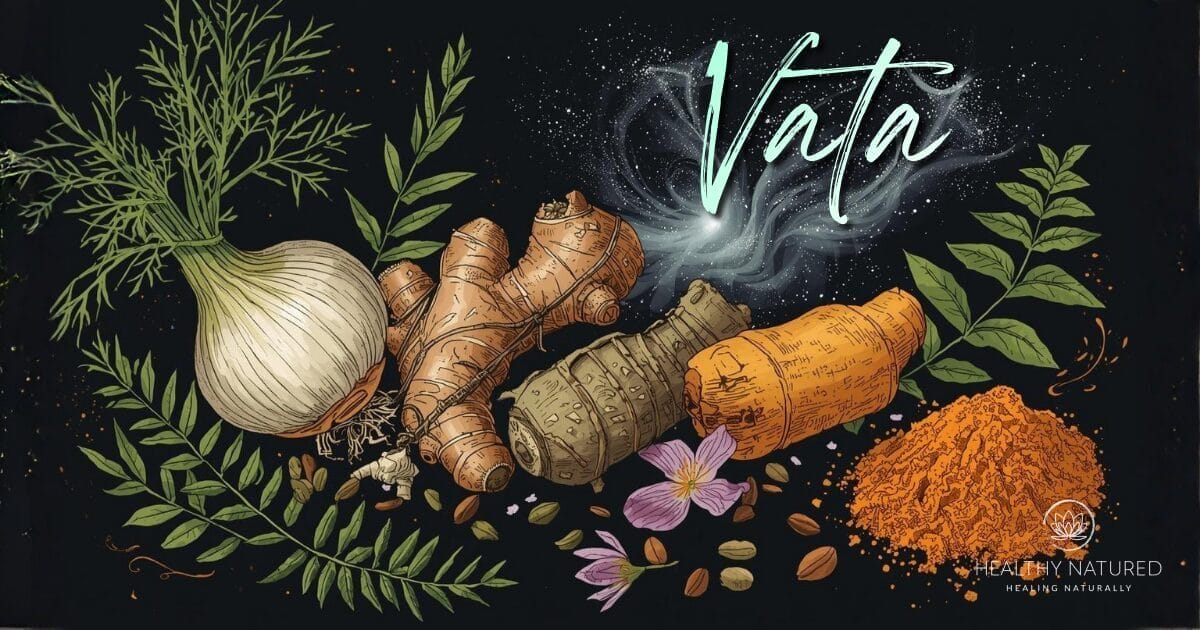


In this post we offer a concise information guide to herbs commonly used in Ayurveda to support Vata dosha balance. In Ayurvedic philosophy, Vata is associated with the elements air and ether, and when aggravated it may show up as dryness, anxiety, insomnia, constipation, joint discomfort, or irregular digestion. Herbs used for Vata typically have warming, grounding, moistening, and nourishing qualities.
Ayurvedic Herb Guide for Balancing Vata Dosha
Vata is linked to the elements of air and ether, and when it becomes imbalanced, it can manifest as dryness, anxiety, insomnia, constipation, joint pain, or irregular digestion. Herbs that balance Vata usually possess warming, grounding, moisturizing, and nourishing properties. You can use our ayurvedic calculator to find the herb you need and the amount.
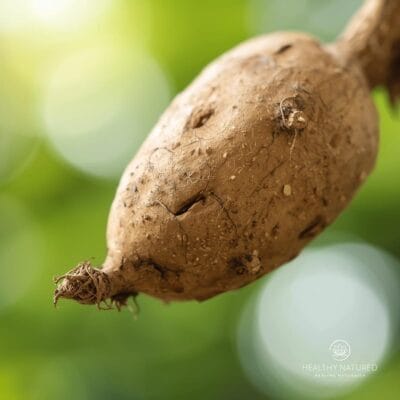
1. Ashwagandha Plant (Withania somnifera)
Primary Actions:
Adaptogen, nervous system tonic, strengthening herb
Benefits for Vata
Calms the nervous system
Helps reduce stress and anxiety
Supports restful sleep
Strengthens muscles and vitality
Common Uses
Powder mixed with warm milk and ghee
Capsules or herbal formulations
Ayurvedic Qualities
Taste: Bitter, sweet
Energy: Warming
Effect on Dosha: Reduces Vata and Kapha (may increase Pitta in excess)

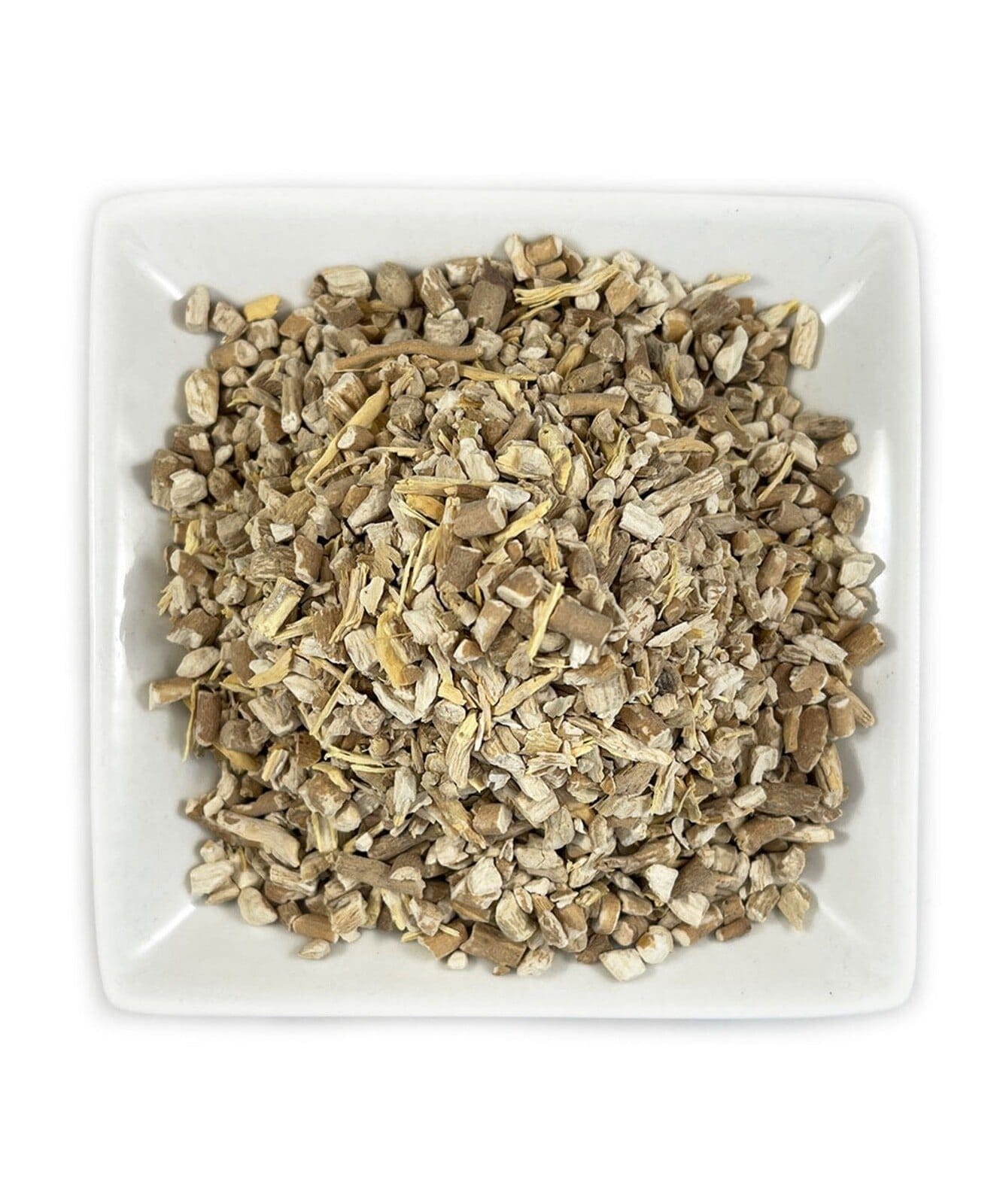
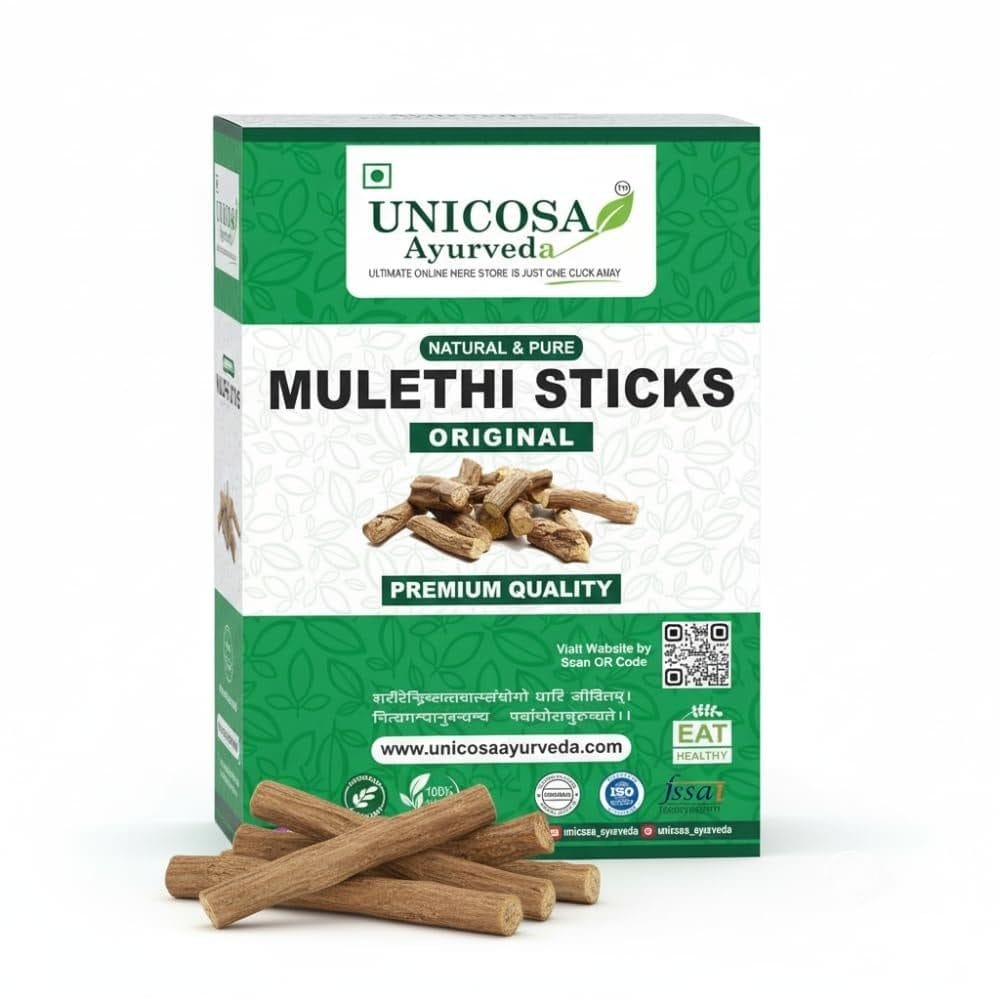
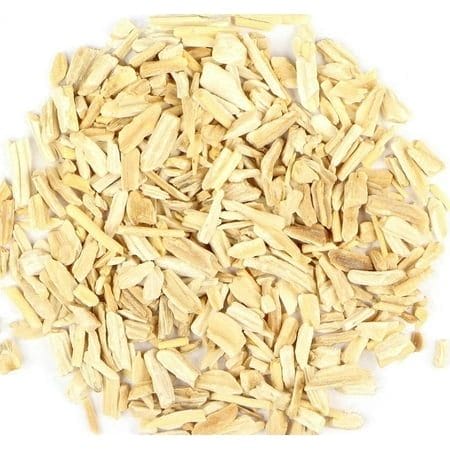
2. Licorice Root (Glycyrrhiza glabra)
Primary Actions:
Licorice root is Demulcent, soothing, rejuvenative
Benefits for Vata
Moistens dryness in the body
Supports respiratory health
Calms irritated tissues
Helps balance adrenal stress
Common Uses
Herbal teas
Powder in formulations
Ayurvedic Qualities
Taste: Sweet
Energy: Cooling
Effect on Dosha: Reduces Vata and Pitta (may increase Kapha)

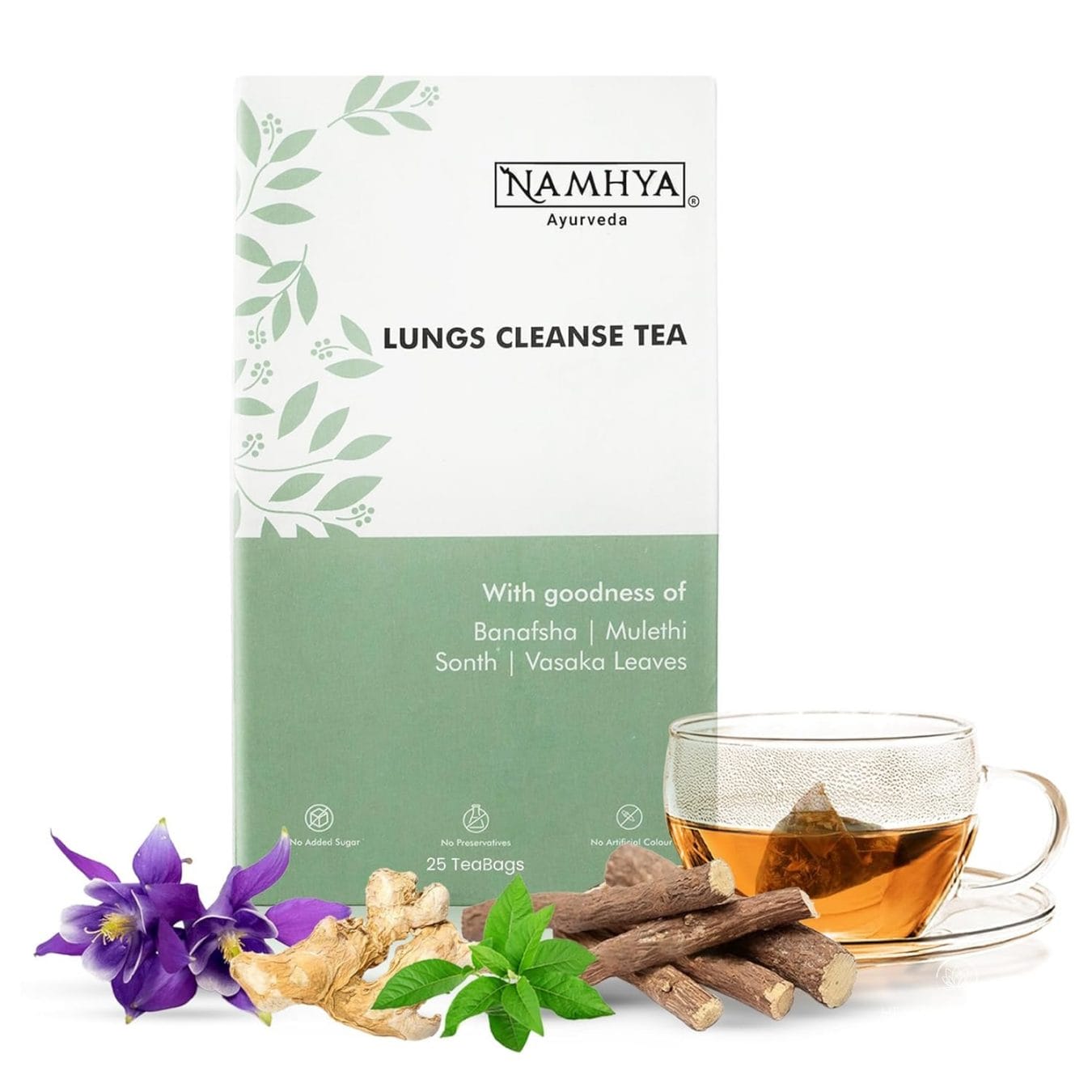
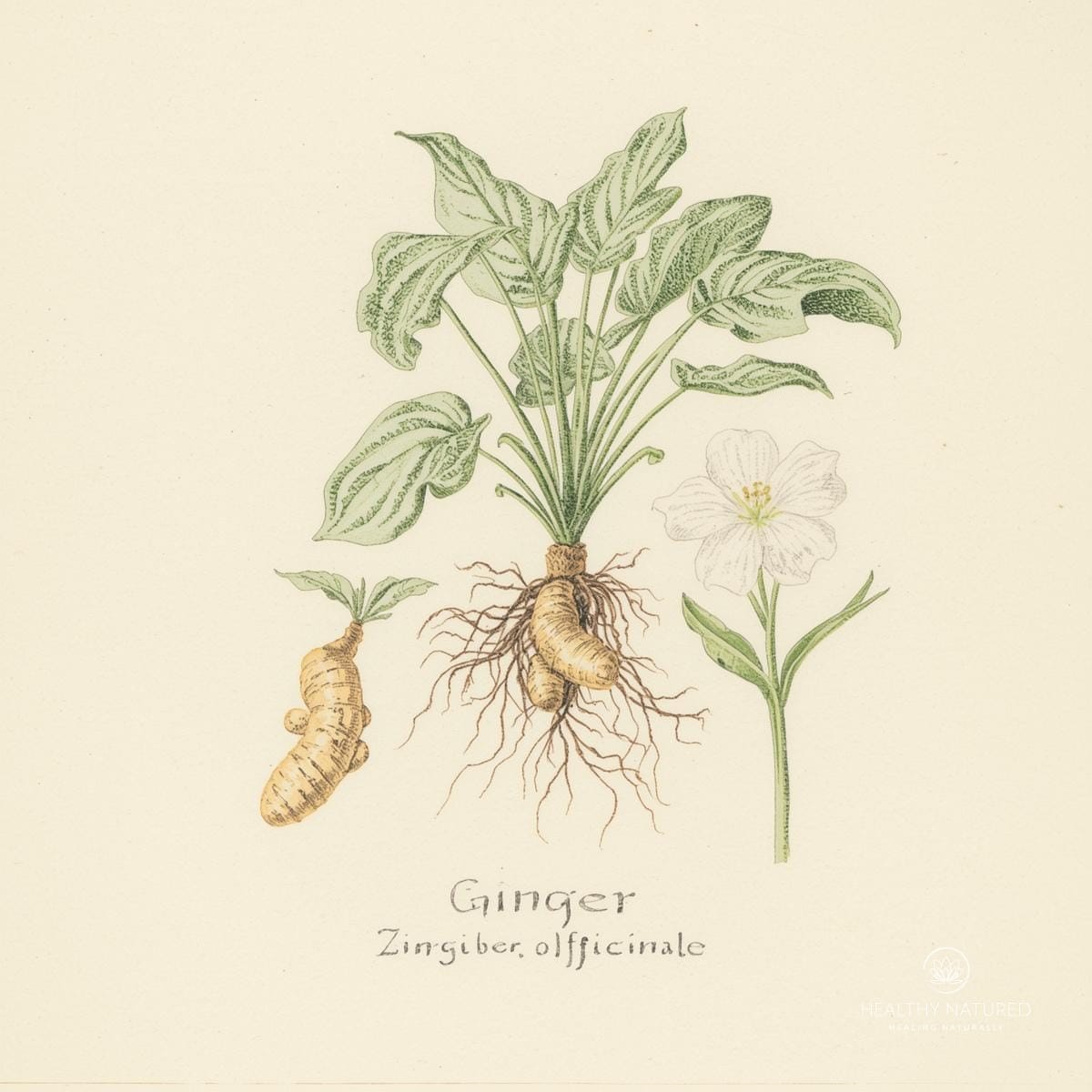
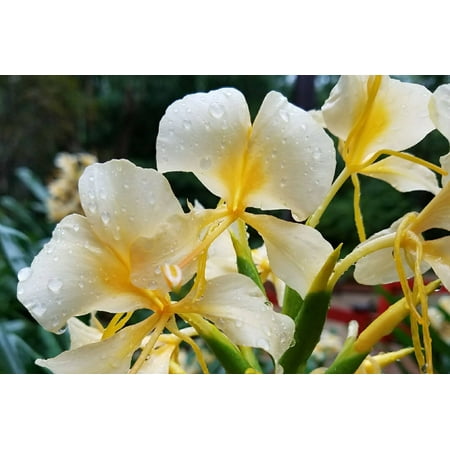
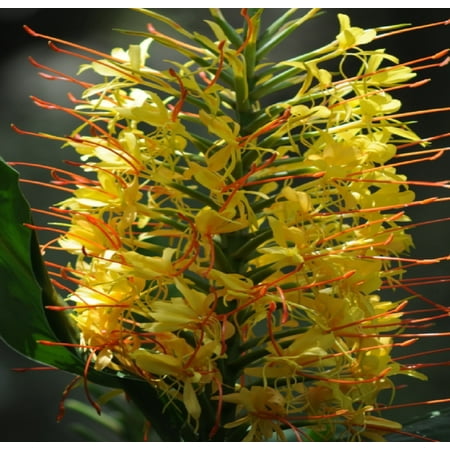
3. Ginger Plant (Zingiber officinale)
Primary Actions:
Digestive stimulant, warming herb
Benefits for Vata
Improves digestion and appetite
Reduces bloating and gas
Enhances circulation
Warms the body
Common Uses
Fresh ginger tea
Powder added to food
Herbal digestive blends
Ayurvedic Qualities
Taste: Pungent
Energy: Heating
Effect on Dosha: Reduces Vata and Kapha
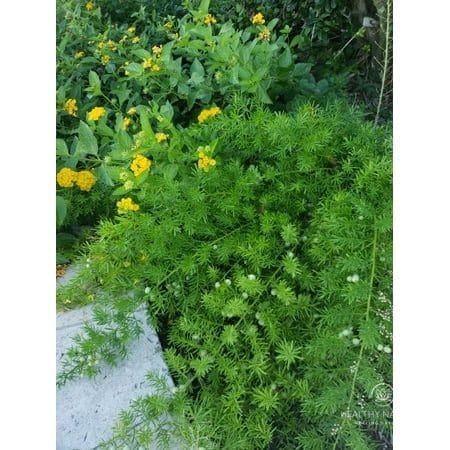
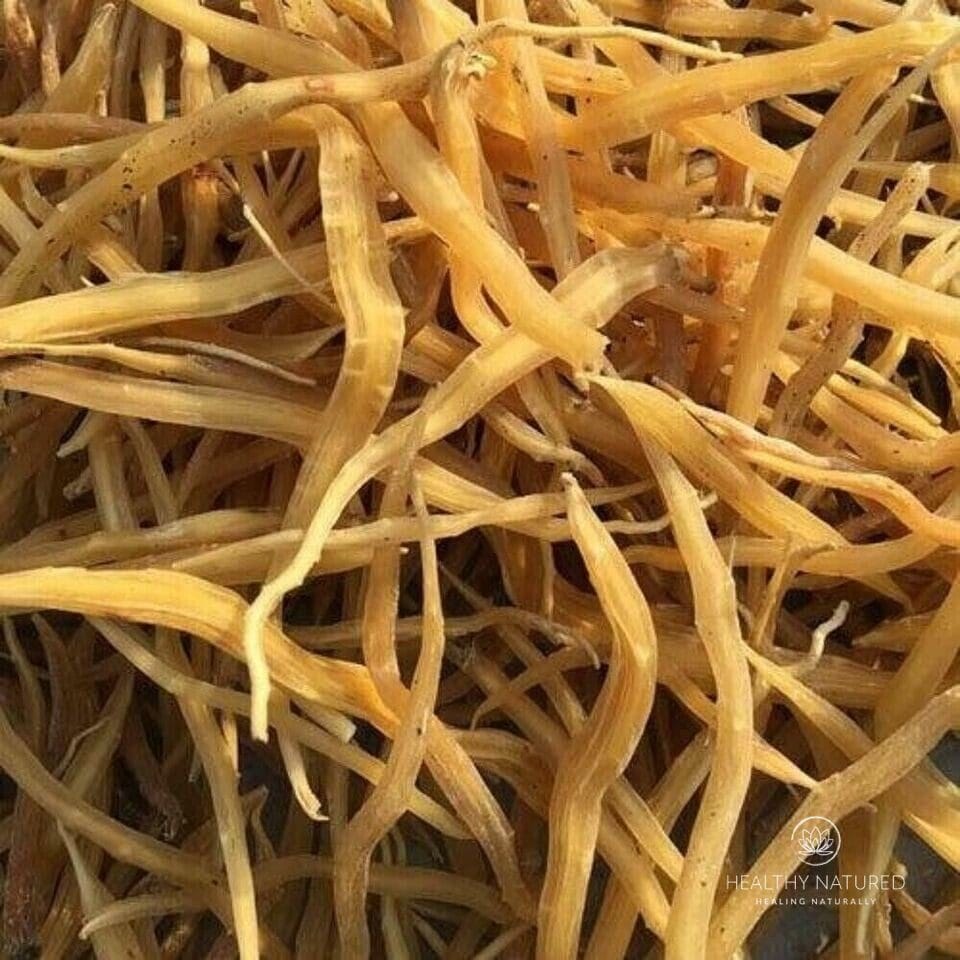
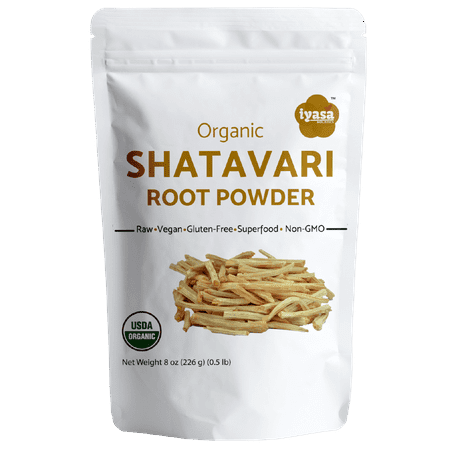
4. Shatavari (Asparagus racemosus)
Primary Actions:
Rejuvenative tonic, nourishing herb
Benefits for Vata
Nourishes tissues
Supports hormonal balance
Helps with dryness in the body
Promotes calmness and vitality
Common Uses
Powder with warm milk
Capsules or herbal blends
Ayurvedic Qualities
Taste: Sweet, bitter
Energy: Cooling
Effect on Dosha: Reduces Vata and Pitta


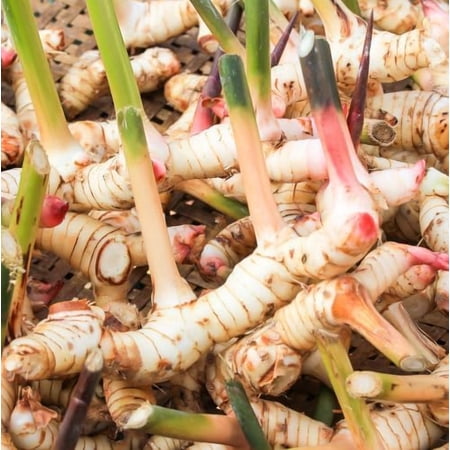
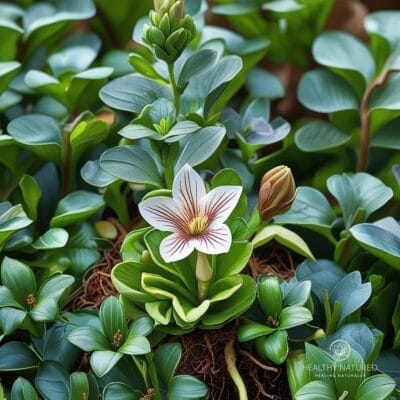
5. Brahmi (Bacopa monnieri)
Primary Actions:
Cognitive tonic, nervine herb
Benefits for Vata
Enhances memory and concentration
Calms mental restlessness
Supports nervous system health
Reduces anxiety
Common Uses
Herbal tea
Powder or capsules
Medicated oils for scalp massage
Ayurvedic Qualities
Taste: Bitter
Energy: Cooling
Effect on Dosha: Reduces Vata and Pitta
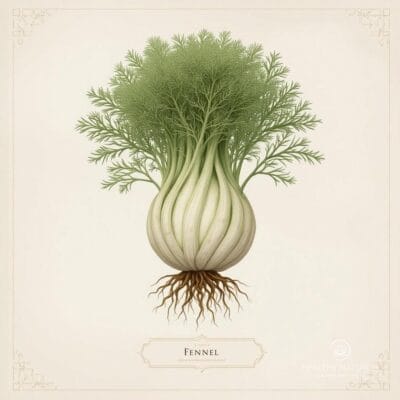
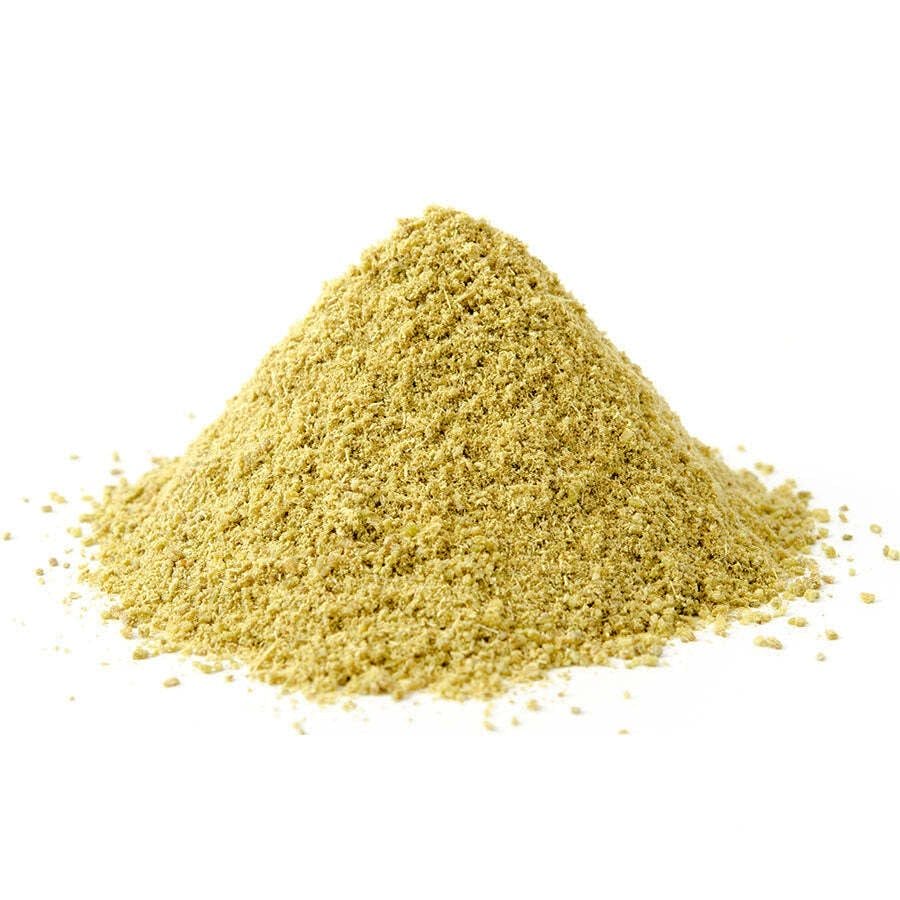
6. Fennel Plant (Foeniculum vulgare)
Primary Actions:
Gentle digestive support
Benefits for Vata
Relieves gas and bloating
Supports digestion without overheating
Calms the stomach
Common Uses
Fennel tea after meals
Added to cooking
Ayurvedic Qualities
Taste: Sweet, slightly pungent
Energy: Mildly warming
Effect on Dosha: Balances Vata and Pitta
🌼 Additional Herbs Sometimes Used for Vata Support
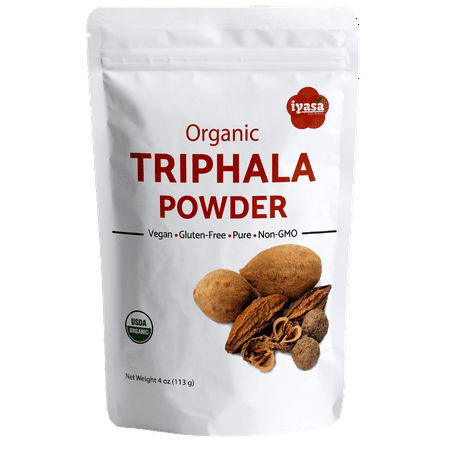
Triphala – gentle detox and digestive support
Turmeric – anti-inflammatory and circulation support
Cardamom – digestive and calming
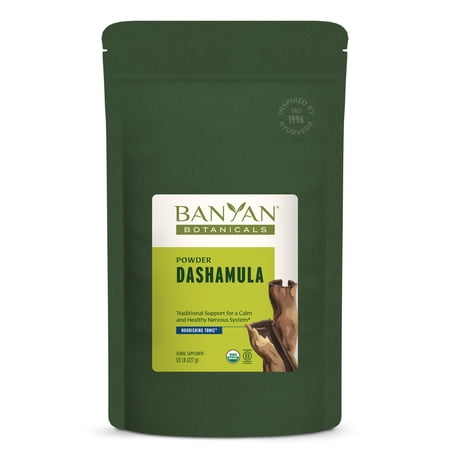
Dashamoola – traditional blend used for Vata disorders
🌿 Lifestyle Tips for Balancing Vata
Herbs work best alongside supportive lifestyle practices. Stay warm and avoid excessive cold or dryness
Eat warm, cooked foods
Maintain regular routines
Practice gentle yoga or meditation
Use oil massage (Abhyanga) with sesame oil

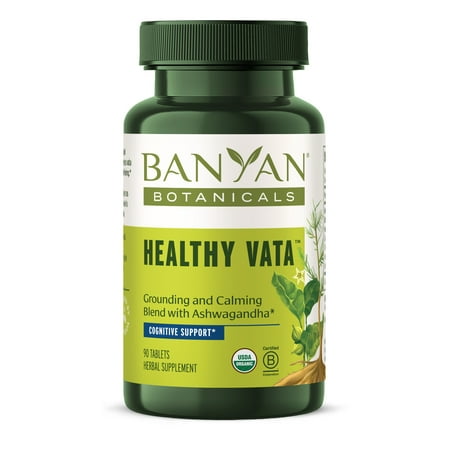
🌿 Ayurvedic Herb Chart for Balancing Vata Dosha
| Herb | Key Benefits for Vata | Traditional Ayurvedic Actions | Common Uses |
|---|---|---|---|
| Ashwagandha | Calms anxiety, supports sleep, strengthens body | Adaptogen, nervous system tonic, rejuvenative (Rasayana) | Powder with warm milk, capsules, herbal tonics |
| Licorice Root | Moistens dryness, soothes throat & digestion | Demulcent, rejuvenative, tissue nourisher | Herbal tea, powders, respiratory formulas |
| Ginger (Fresh) | Improves digestion, reduces gas & bloating | Digestive stimulant (Deepana), carminative | Fresh tea, cooking spice, digestive blends |
| Shatavari | Nourishes tissues, supports hormones, cooling tonic | Rejuvenative tonic, nourishing herb | Powder with milk, capsules, herbal ghee |
| Brahmi (Bacopa/Gotu Kola) | Improves memory, calms mind, reduces anxiety | Brain tonic (Medhya Rasayana), nervine | Tea, capsules, medicated oils |
| Fennel | Reduces bloating, supports gentle digestion | Carminative, digestive aid | Tea after meals, spice in cooking |
| Cardamom | Calms stomach, reduces gas, supports lungs | Digestive stimulant, aromatic spice | Tea blends, cooking, spice mixes |
| Turmeric | Supports circulation, reduces inflammation | Blood purifier, anti-inflammatory herb | Golden milk, cooking spice, capsules |
| Triphala | Gentle detox, supports bowel regularity | Digestive tonic, mild cleanser | Powder or tablets before bed |
| Dashamoola | Supports joints, nerves, and inflammation | Traditional Vata-balancing herbal formula | Decoction, herbal formulations |


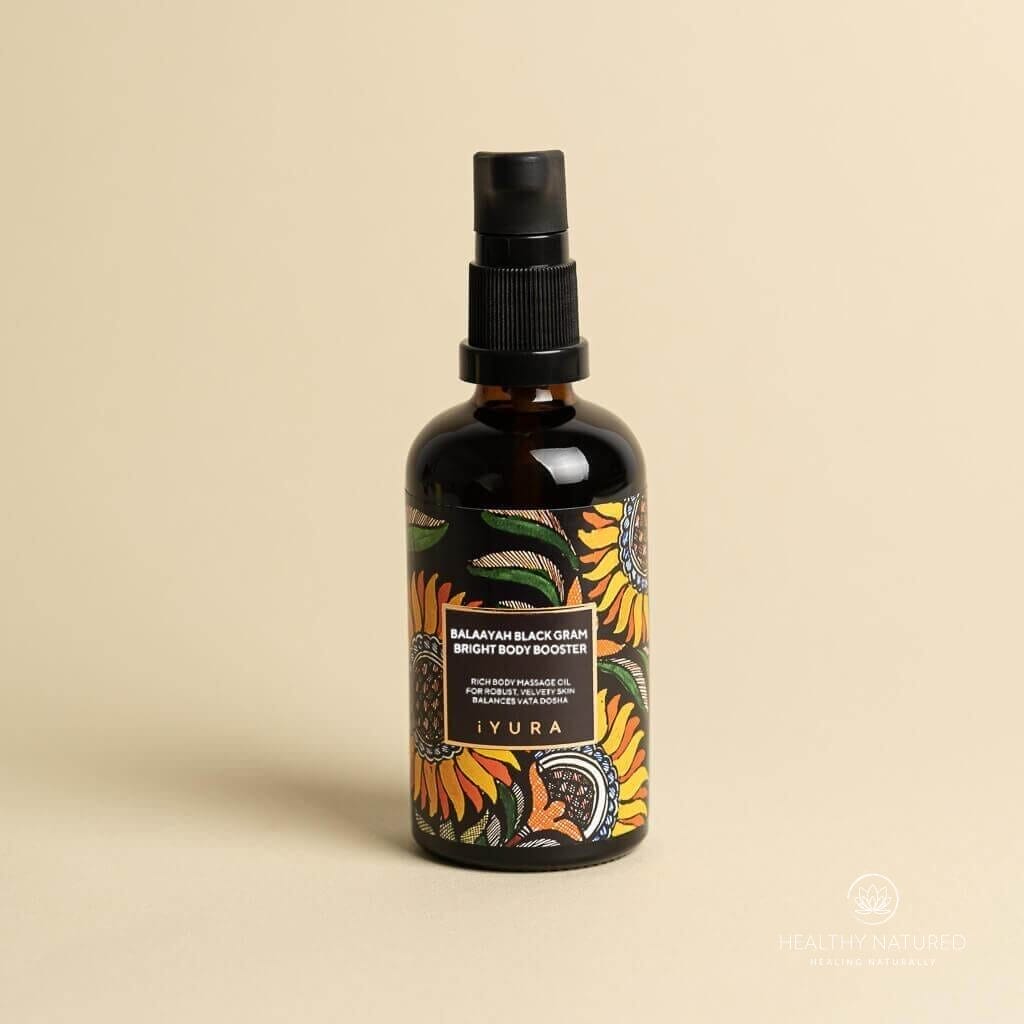

🌿 Helpful Herbal Preparation Methods for Vata Dosha
Best preparation styles for Vata include:
Warm herbal teas
Herbal milk tonics
Powders mixed with ghee or warm water
Herbal oils for massage (Abhyanga)
These methods help add warmth, moisture, and grounding, which are qualities that help balance Vata.
Quick Vata-Balancing Herbal Tea Example
Calming Vata Tea
Ingredients:
½ tsp fennel seeds
½ tsp grated fresh ginger
2 crushed cardamom pods
Simmer in 2 cups water for 10 minutes, strain, and drink warm.
Benefits:
Supports digestion
Reduces gas and bloating
Helps calm the nervous system