

- Understanding Sleep Tinctures: Nature's Liquid Lullaby
- The Science Behind Sleep-Promoting Herbs
- DIY Sweet Dreams Sleep Tincture Recipe
- Essential Ingredients for Your Sweet Dreams Tincture
- Step-by-Step Sweet Dreams Tincture Recipe
- Proper Dosage and Usage Guidelines
- Safety Considerations and Contraindications
- Storage and Shelf Life
- Customizing Your Sleep Blend
- Frequently Asked Questions
Tossing and turning night after night, watching the clock tick away precious hours of rest – sound familiar? If you’re among the millions struggling with sleep issues, you’re not alone. While modern life seems designed to keep us wired and restless, there’s an ancient solution that’s making a comeback: herbal tinctures.
Creating your own sweet dreams sleep tincture isn’t just about saving money (though you will). It’s about taking control of your sleep health with natural ingredients you can trust. Today, I’ll walk you through crafting a powerful, gentle herbal tincture that has helped countless people reclaim their nights and wake up refreshed.
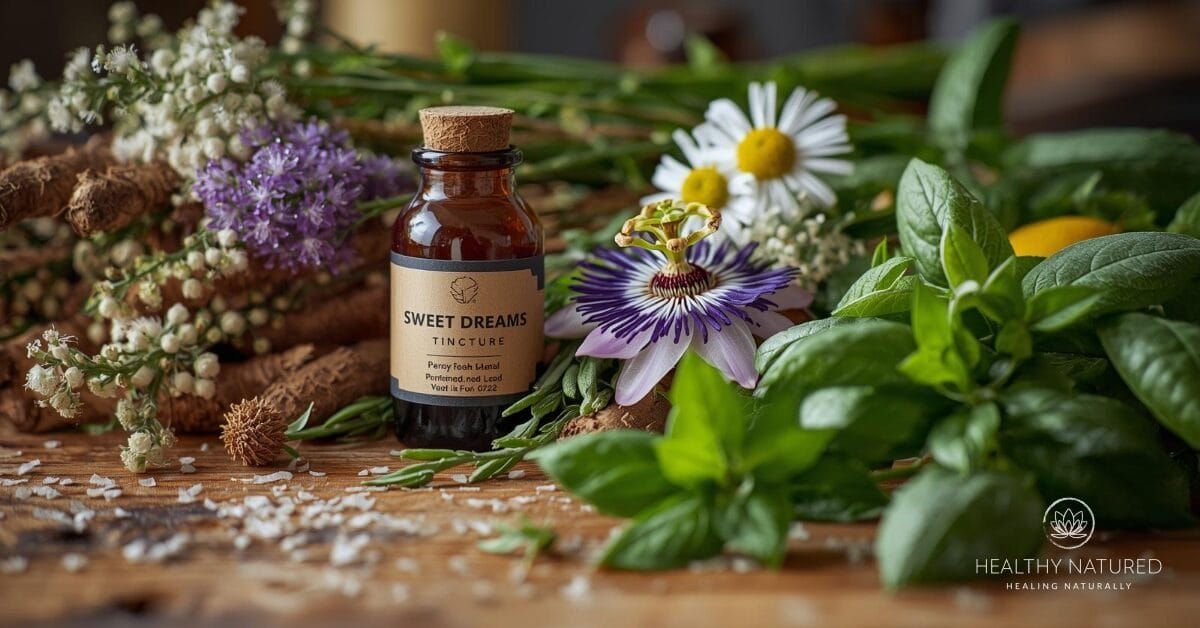
Understanding Sleep Tinctures: Nature’s Liquid Lullaby
Tinctures are concentrated herbal extracts designed to promote relaxation and improve sleep quality. Unlike synthetic sleep aids that can leave you groggy or dependent, herbal tinctures work with your body’s natural rhythms. They’re typically alcohol-based extractions that preserve the active compounds in sleep-promoting herbs, making them potent and shelf-stable.
What makes tinctures particularly effective is their bioavailability. When taken sublingually (under the tongue), the active compounds enter your bloodstream quickly, often within 15-30 minutes. This rapid absorption makes them ideal for bedtime routines when you want results without waiting hours.
The Science Behind Sleep-Promoting Herbs
Before diving into our recipe, let’s understand why certain herbs have earned their reputation as natural sleep aids. Valerian root, for instance, contains compounds that increase GABA levels in the brain – the same neurotransmitter that many prescription sleep medications target1Yuan, Chun-Su et al. “The gamma-aminobutyric acidergic effects of valerian and valerenic acid on rat brainstem neuronal activity.” Anesthesia and analgesia vol. 98,2 (2004): 353-358. doi:10.1213/01.ANE.0000096189.70405.A5. Passionflower works similarly, helping to quiet an overactive mind.
Chamomile contains apigenin, a flavonoid that binds to benzodiazepine receptors in the brain, promoting sleepiness2Srivastava JK, Shankar E, Gupta S. Chamomile: A herbal medicine of the past with bright future. Mol Med Rep. 2010;3(6):895-901. doi:10.3892/mmr.2010.377. Meanwhile, lavender’s linalool and linalyl acetate compounds have been shown to decrease heart rate and blood pressure, creating the perfect physiological state for sleep3Koulivand PH, Khaleghi Ghadiri M, Gorji A. Lavender and the nervous system. Evid Based Complement Alternat Med. 2013;2013:681304. doi:10.1155/2013/681304.
DIY Sweet Dreams Sleep Tincture Recipe
Ingredients
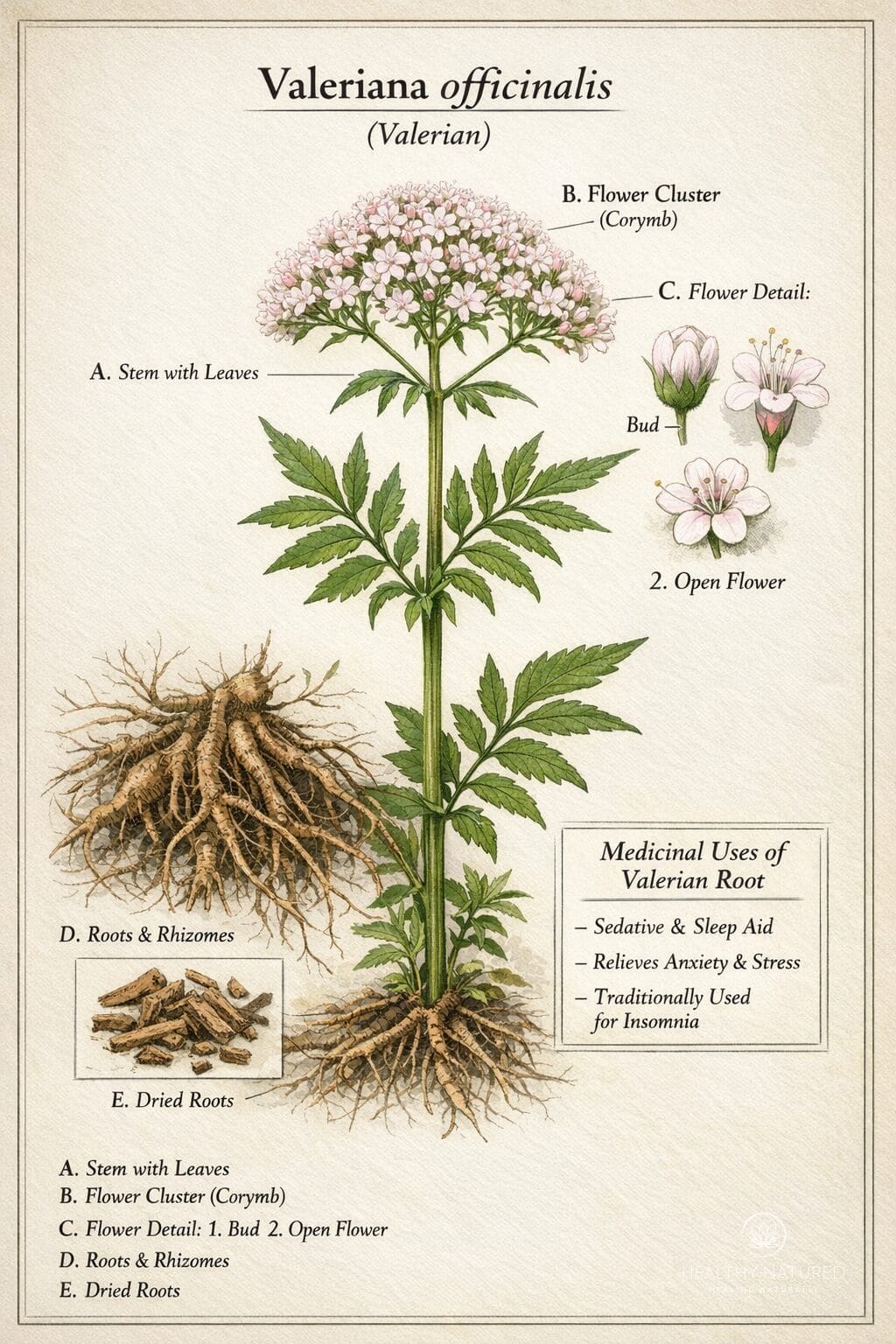
 2 tbsp dried valerian root
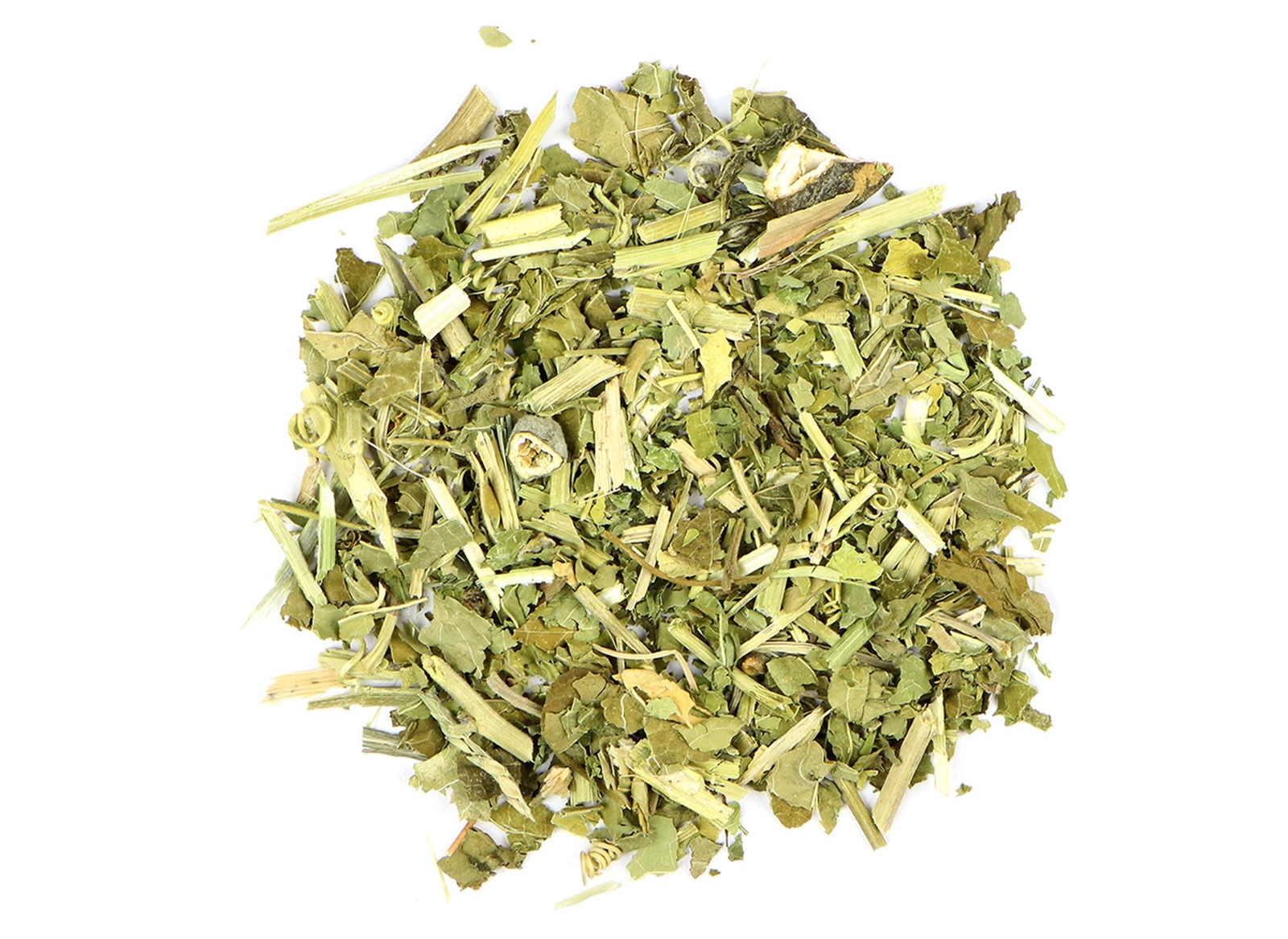
- 2 tbsp dried passionflower
- 2 tbsp dried chamomile flowers
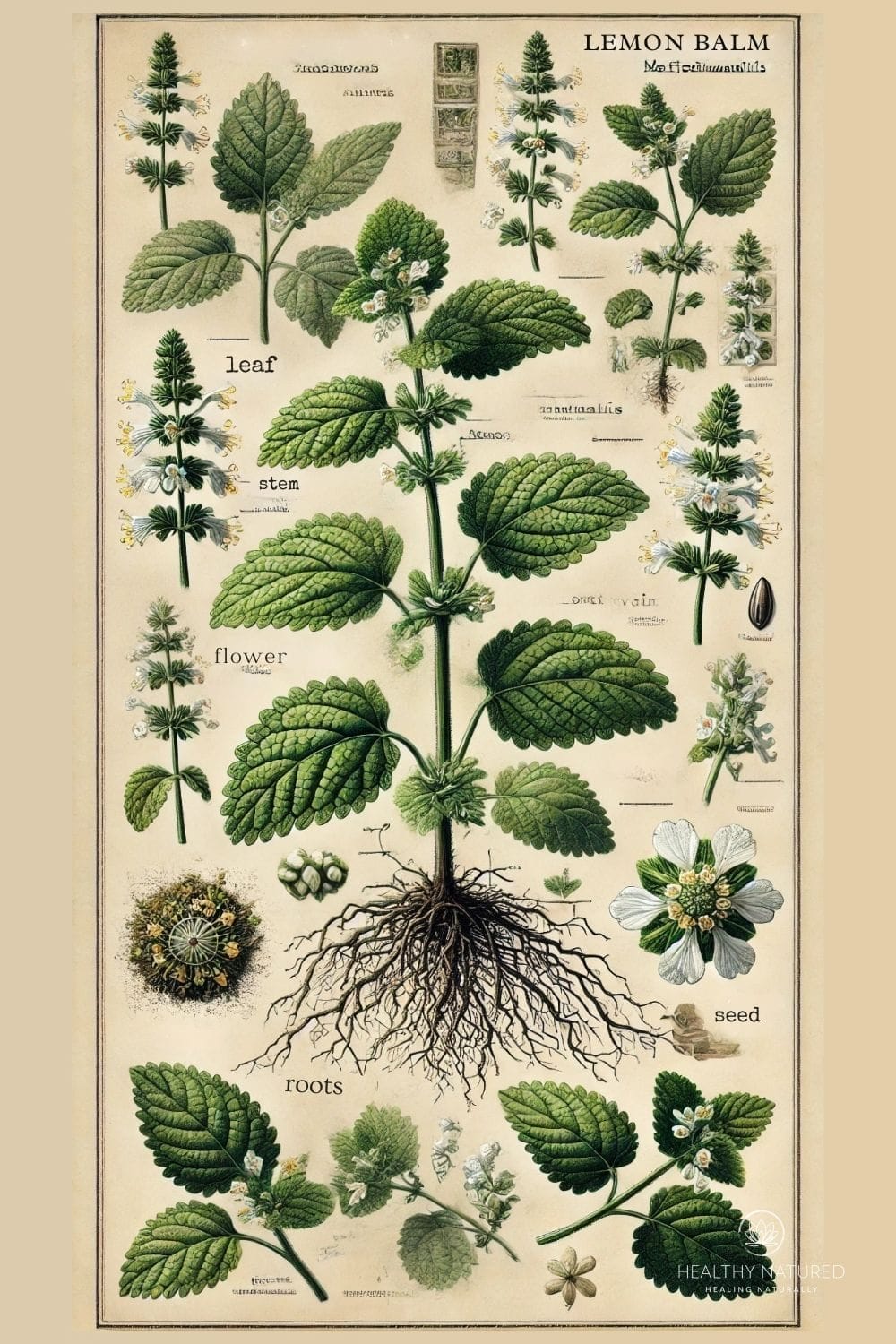
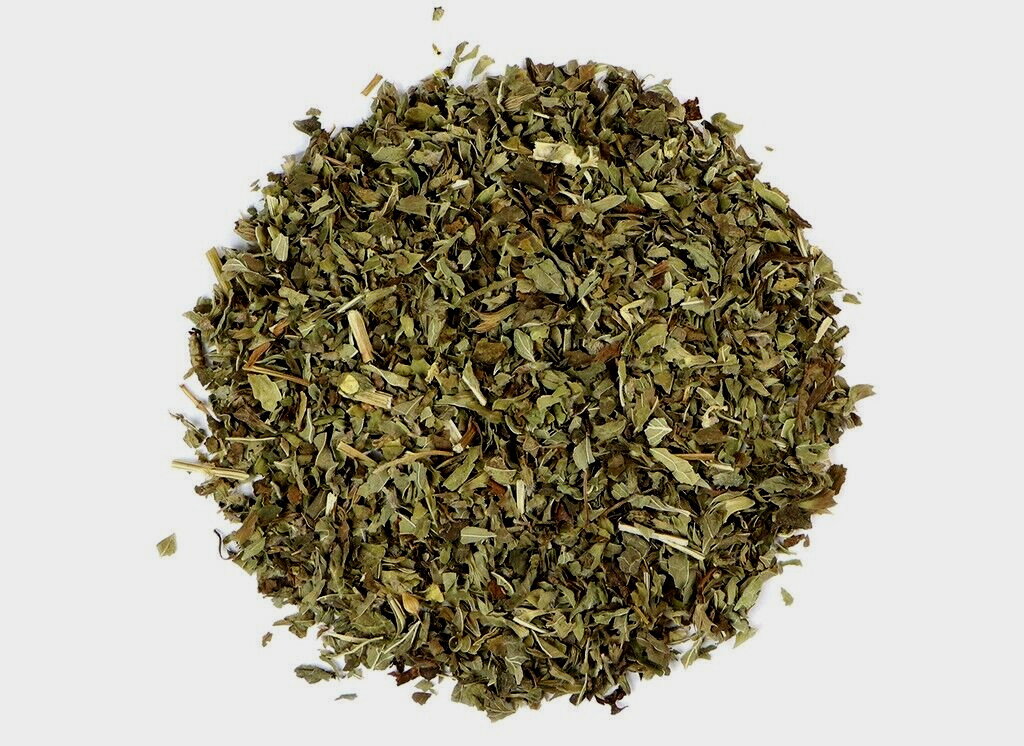
- 2 tbsp dried lemon balm
- 2 cups vodka (brandy, or rum *see notes)


- 1 tbsp dried lavender buds (optional)
- 1 tbsp dried hops (optional)
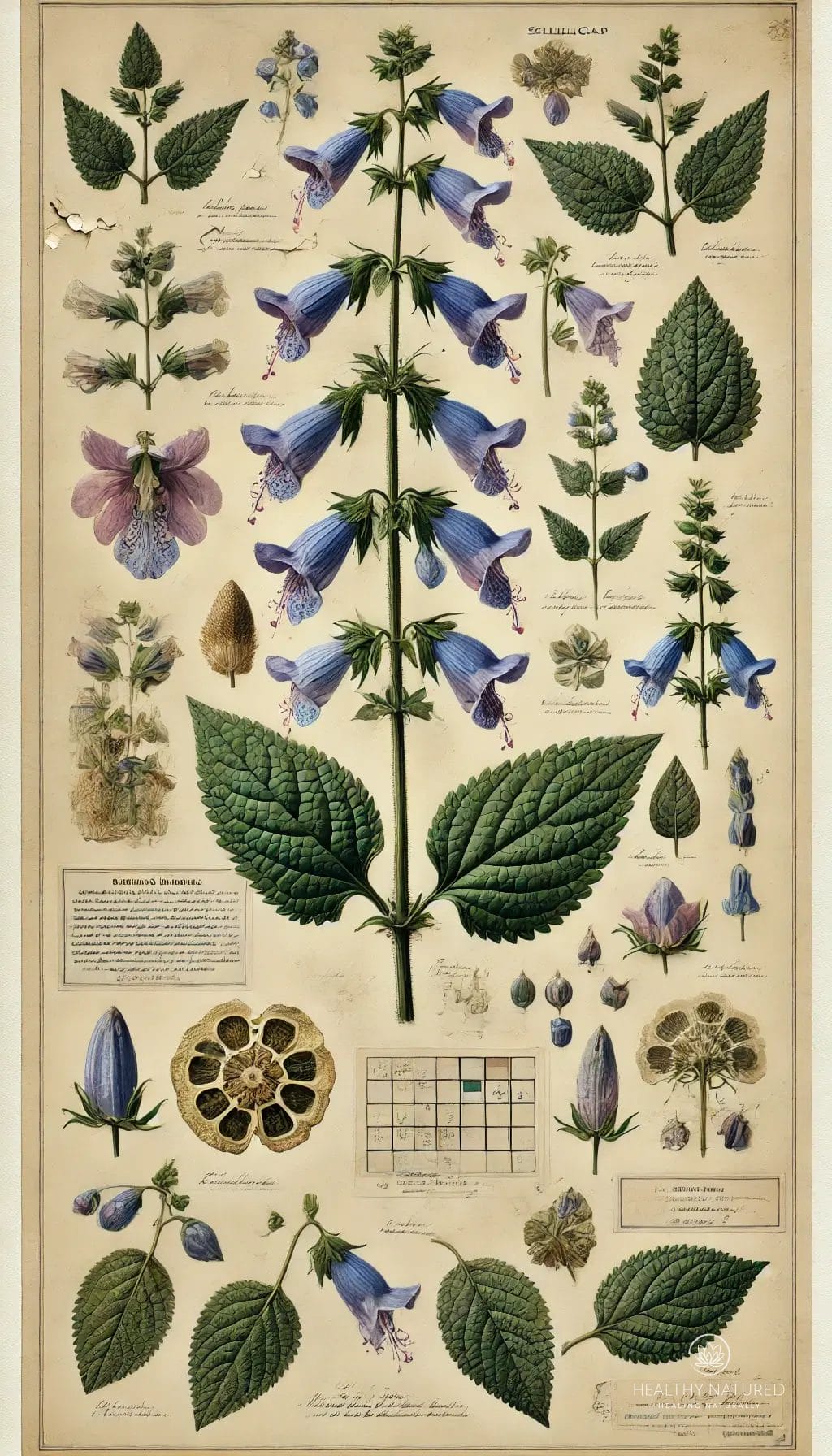
- 1 tbsp dried skullcaps (optional)


Equipment

Method
- Prepare the HerbsMeasure and combine 2 tbsp dried valerian root, 2 tbsp dried passionflower, 2 tbsp dried chamomile flowers, and 2 tbsp dried lemon balm in your glass jar. Add extra herbs if using.2 tbsp dried valerian root, 2 tbsp dried passionflower, 2 tbsp dried chamomile flowers, 2 tbsp dried lemon balm, 1 tbsp dried lavender buds optional, 1 tbsp dried hops optional, 1 tbsp dried skullcaps optional
- Add the Menstruum (Vodka)Pour 2 cups vodka (brandy, or rum *see notes) over herbs until fully submerged by 1–2 inches (herbs should move freely when shaken). For an alcohol free glycerin version: mix 75% glycerin + 25% distilled water, then cover herbs.2 cups vodka brandy, or rum *see notes
- Seal & StoreSeal the jar tightly. Shake the jar to mix. Label with date, ingredients, and “Sleep Tincture — Not for Children/Pregnant.” Place and store the jar in a cool, dark cupboard (not fridge).
- Infuse (Extract)Let steep 4 to 8 weeks (minimum 2 weeks for decent strength; longer it steeps the stronger the result). Shake daily to agitate.
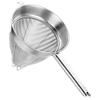
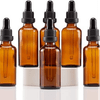
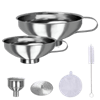
- Strain & BottleStrain through a nine mesh strainer or cheesecloth into clean bowl (squeeze herbs to extract maximum liquid). Funnel into dark amber dropper bottles. Label the bottles with “Sleep Tincture — Not for Children/Pregnant.” Compost spent herbs.
Nutrition
Notes
- valerian root (strongest sedative herb for deep sleep)
- passionflower (calms nervous mind & anxiety)
- chamomile flowers (gentle relaxation & soothing digestion)
- lemon balm (uplifting yet calming, reduces stress)
- lavender buds (aromatic calm)
- skullcap (suitable for anxiety support)
- hops (extra nervous system support)
Private Notes
Tried this recipe?
Mention @HealthyNatured or tag #healthynatured!Essential Ingredients for Your Sweet Dreams Tincture
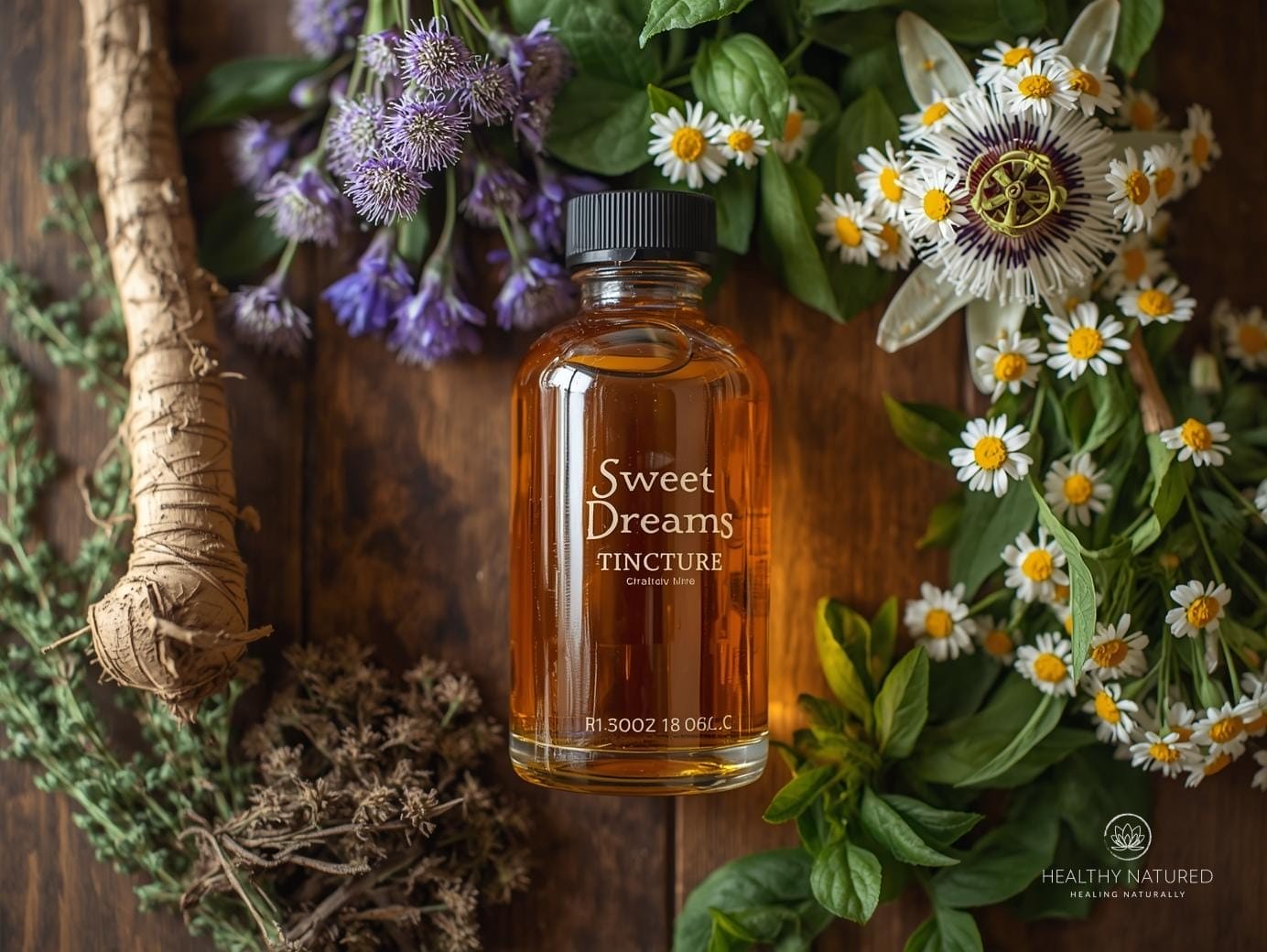
For this recipe, we’ll combine five powerhouse herbs that work synergistically to promote deep, restorative sleep. Here’s what you’ll need:
Primary Sleep Herbs:
- 2 tablespoons dried valerian root (the heavy hitter for deep sleep)
- 2 tablespoons dried passionflower (for anxiety and racing thoughts)
- 2 tablespoon dried chamomile flowers (gentle relaxation)
- 1 tablespoon dried lavender buds (stress relief and calm)
- 2 teaspoon dried lemon balm (nervous system support)
Additional Supplies:
- 2 cups high-proof alcohol (vodka or brandy, 40-50% ABV)
- Glass jar with tight-fitting lid
- Fine mesh strainer or cheesecloth
- Dark glass dropper bottles for storage
- Labels for dating and identification
Step-by-Step Sweet Dreams Tincture Recipe
Preparation Phase
Start by ensuring all your herbs are properly dried and stored. Fresh herbs contain too much water and can cause your tincture to spoil4Zhang J, Onakpoya IJ, Posadzki P, Eddouks M. The safety of herbal medicine: from prejudice to evidence. Evid Based Complement Alternat Med. 2015;2015:316706. doi:10.1155/2015/316706. If you’re sourcing herbs yourself, make sure they’re organic and from reputable suppliers. The quality of your ingredients directly impacts the effectiveness of your final product.
Combine all dried herbs in a clean glass jar. I prefer wide-mouth mason jars because they’re easy to work with and clean thoroughly. Give the herb mixture a gentle stir to distribute everything evenly.
The Extraction Process
Pour the alcohol over your herb mixture, ensuring all plant material is completely covered by at least an inch of liquid. This prevents oxidation and ensures proper extraction. The alcohol acts as a solvent, pulling out the water-soluble and alcohol-soluble compounds from the herbs5Ahmed, S., Alsharif, K. F., Aschner, M., Alzahrani, K. J., Akkol, E. K., Türkcanoğlu, E. G., & Khan, H. (2026). A deep dive into herbal extraction: Techniques, trends, and technological advancements. South African journal of botany : official journal of the South African Association of Botanists = Suid-Afrikaanse tydskrif vir plantkunde : amptelike tydskrif van die Suid-Afrikaanse Genootskap van Plantkundiges, 188, 9–37. https://doi.org/10.1016/j.sajb.2025.11.005.
Seal your jar tightly and give it a good shake. Label it with the contents and date – trust me, you’ll forget otherwise. Store the jar in a cool, dark place like a pantry or cabinet. Direct sunlight can degrade the active compounds you’re trying to extract.
The Waiting Game: Patience Pays Off
Here’s where patience becomes a virtue. Your tincture needs to steep for 4-6 weeks for optimal potency6What is an herbal tincture? Recipes and uses, Medical review by Amy Richter, MS, RD — Written by Jenna Fletcher — February 20, 2025. During this time, shake the jar gently every few days. This agitation helps break down plant cell walls and improves extraction efficiency.
You’ll notice the liquid gradually darkening as it pulls color and compounds from the herbs. This visual change is a good sign that extraction is occurring. Some herbs, like valerian, will give your tincture a rather earthy aroma – don’t worry, this is completely normal.
Straining and Bottling
After your patience has been rewarded with a fully extracted tincture, it’s time to strain out the plant material. Use a fine mesh strainer lined with cheesecloth for the clearest result. Press the herbs gently to extract as much liquid as possible without forcing plant particles through.
Transfer your finished tincture to dark glass dropper bottles. Amber or cobalt blue bottles protect the tincture from light degradation. Fill bottles almost to the top, leaving minimal air space to prevent oxidation.
Proper Dosage and Usage Guidelines
Starting with the right dosage is crucial for both safety and effectiveness. Begin with 1/2 to 1 full dropper (approximately 0.5-1 ml) taken 30-60 minutes before bedtime. Place the tincture under your tongue and hold for 30 seconds before swallowing for best absorption.
Some people find the taste quite strong – and honestly, valerian isn’t winning any flavor contests. You can mix your dose with a small amount of water or herbal tea if needed. Avoid mixing with caffeinated beverages, which would obviously counteract your sleep goals.
Pay attention to how your body responds over the first week. Some people need slightly more, while others find even a half dropper sufficient. The goal is the minimum effective dose that helps you fall asleep naturally and wake up refreshed, not groggy.
How to Use Your Homemade Sweet Dreams Sleep Tincture
Standard adult dose: 1–2 droppers full (about 30–60 drops / 1–2 ml) in small amount of water, tea, or under tongue 30–60 minutes before bed.
Start low (½ dropper) to assess tolerance — increase as needed.
Can repeat smaller dose if waking in night.
For best results: Pair with wind-down routine (dim lights, no screens, herbal tea).
Children (over 2, with doctor approval): ¼–½ adult dose max.
Safety Considerations and Contraindications
While natural doesn’t automatically mean harmless, sleep herbs and herbal tinctures are generally very safe when used appropriately. However, there are important considerations to keep in mind.
Avoid this tincture if you’re pregnant, nursing, or have liver conditions. Valerian can interact with certain medications, particularly sedatives, anti-anxiety drugs, and some antidepressants. Always consult with a healthcare provider if you’re taking prescription medications.
Don’t use this tincture if you need to drive or operate machinery within 8 hours. These herbs are doing their job if they make you drowsy – plan accordingly. Also, avoid alcohol consumption when using your sleep tincture, as this can intensify the sedative effects unpredictably.
Storage and Shelf Life
Properly stored alcohol-based tinctures can last 3-5 years without losing potency. Keep your bottles in a cool, dark place away from direct sunlight and heat sources. A medicine cabinet or pantry shelf works perfectly.
Always use clean droppers to prevent contamination. If you notice any changes in color, smell, or the development of cloudiness or particles, it’s time to make a fresh batch. Label your bottles with creation dates to track freshness.
Customizing Your Sleep Blend
Once you’ve mastered this basic recipe, you might want to adjust it based on your specific sleep challenges. If anxiety is your primary issue, increase the passionflower and add skullcap. For those with physical tension, consider adding California poppy or wild lettuce.
People with digestive issues that interfere with sleep might benefit from adding a small amount of fennel or ginger. The beauty of making your own tinctures is the ability to personalize them for your unique needs.
Frequently Asked Questions
Q: How long does it take for the sleep tincture to work?
A: Most people feel effects within 30-60 minutes when taken sublingually. However, some herbs like valerian can have cumulative effects, meaning they may work better after several days of consistent use.
Q: Can I make this tincture without alcohol?
A: Yes, you can make glycerin-based tinctures, though they’re less potent and have shorter shelf lives. Use vegetable glycerin instead of alcohol, but expect a milder effect and 1-2 year maximum storage time.
Q: Is it safe to use this tincture every night?
A: While these herbs are generally safe for regular use, it’s wise to take occasional breaks to prevent tolerance. Consider using it 5-6 nights per week rather than every single night.
Q: Can children use this sleep tincture?
A: This alcohol-based tincture is not recommended for children under 12. For younger children, consider alcohol-free alternatives like chamomile tea or consult with a pediatric herbalist.
Q: What if the tincture makes me too drowsy the next day?
A: Reduce your dosage or take it earlier in the evening. Some people are more sensitive to valerian and may need a smaller amount or a different herb combination.
Q: How do I know if my herbs are good quality?
A: Quality herbs should have strong color, aroma, and no signs of mold or insects. Purchase from reputable suppliers who provide information about sourcing and testing. Organic certification is a good indicator of quality.
Creating your own sweet dreams sleep tincture puts the power of restful sleep back in your hands. While it requires patience during the extraction process, the reward is a natural, effective sleep aid tailored to your needs. Remember that good sleep hygiene – consistent bedtime routines, limiting screen time, and creating a peaceful sleep environment – works hand in hand with any natural sleep remedy. Sweet dreams await those who take the time to nurture their natural sleep cycles with gentle, plant-based support.


References
- 1Yuan, Chun-Su et al. “The gamma-aminobutyric acidergic effects of valerian and valerenic acid on rat brainstem neuronal activity.” Anesthesia and analgesia vol. 98,2 (2004): 353-358. doi:10.1213/01.ANE.0000096189.70405.A5
- 2Srivastava JK, Shankar E, Gupta S. Chamomile: A herbal medicine of the past with bright future. Mol Med Rep. 2010;3(6):895-901. doi:10.3892/mmr.2010.377
- 3Koulivand PH, Khaleghi Ghadiri M, Gorji A. Lavender and the nervous system. Evid Based Complement Alternat Med. 2013;2013:681304. doi:10.1155/2013/681304.
- 4Zhang J, Onakpoya IJ, Posadzki P, Eddouks M. The safety of herbal medicine: from prejudice to evidence. Evid Based Complement Alternat Med. 2015;2015:316706. doi:10.1155/2015/316706
- 5Ahmed, S., Alsharif, K. F., Aschner, M., Alzahrani, K. J., Akkol, E. K., Türkcanoğlu, E. G., & Khan, H. (2026). A deep dive into herbal extraction: Techniques, trends, and technological advancements. South African journal of botany : official journal of the South African Association of Botanists = Suid-Afrikaanse tydskrif vir plantkunde : amptelike tydskrif van die Suid-Afrikaanse Genootskap van Plantkundiges, 188, 9–37. https://doi.org/10.1016/j.sajb.2025.11.005
- 6What is an herbal tincture? Recipes and uses, Medical review by Amy Richter, MS, RD — Written by Jenna Fletcher — February 20, 2025