

Welcome to Healthy Natured and the Ayurvedic Herb Guide For Balancing Pitta Dosha. In Ayurveda, Pitta is associated with the elements fire and water. When Pitta becomes aggravated, it may manifest as excess heat, inflammation, irritability, acidity, skin issues, or digestive discomfort.
Herbs that balance Pitta typically have cooling, calming, and soothing properties.
Ayurvedic Herb Guide for Balancing Pitta Dosha
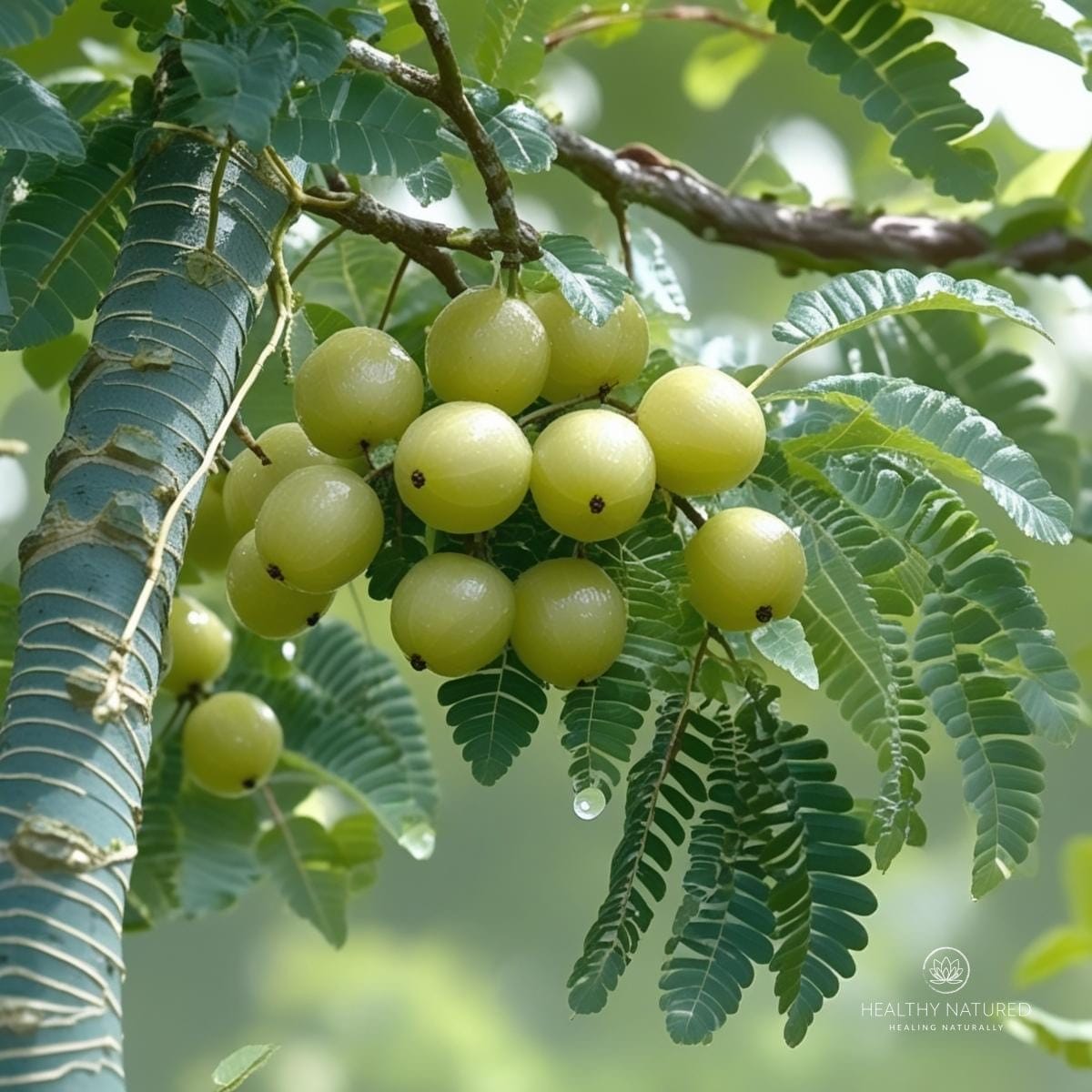
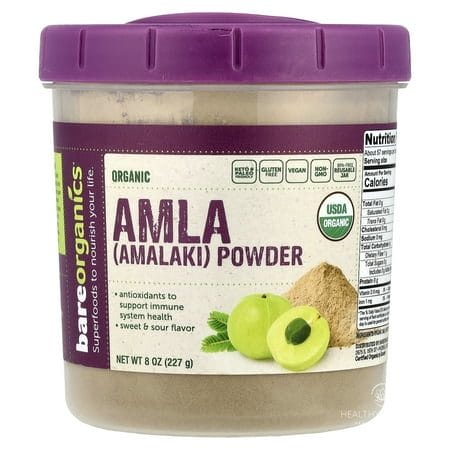
1. Amalaki (Amla) – Emblica
Primary Actions: Rejuvenative (Rasayana), antioxidant, cooling tonic
Benefits for Pitta
- Cools excess heat in the body
- Supports healthy digestion without aggravating acidity
- Promotes healthy skin
- Supports liver function and immunity
Common Uses
- Powder mixed with warm water
- In Triphala formulations
- Herbal tonics and jams (Chyawanprash)
Ayurvedic Qualities
- Taste: Sour, astringent, sweet
- Energy: Cooling
- Effect on Dosha: Balances Pitta and Vata
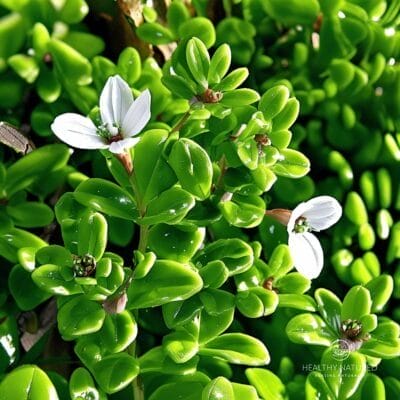
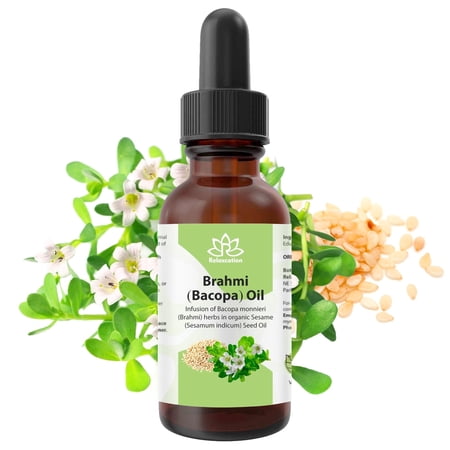
2. Brahmi (Bacopa monnieri)
Primary Actions: Nervine tonic, cognitive enhancer
Benefits for Pitta
- Calms mental intensity and irritability
- Supports memory and concentration
- Reduces stress and emotional heat
- Supports nervous system balance
Common Uses
- Herbal tea
- Capsules or powders
- Medicated oils for scalp massage
Ayurvedic Qualities
- Taste: Bitter
- Energy: Cooling
- Effect on Dosha: Reduces Pitta and Vata


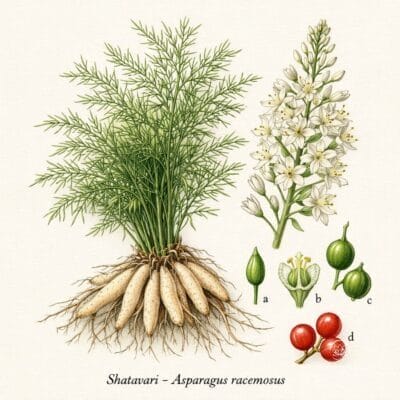
3. Shatavari (Asparagus racemosus)
Primary Actions: Rejuvenative tonic, tissue nourisher
Benefits for Pitta
- Cools inflammation
- Supports hormonal balance
- Soothes digestive tract irritation
- Nourishes body tissues
Common Uses
- Powder mixed with milk
- Capsules or herbal formulas
Ayurvedic Qualities
- Taste: Sweet, bitter
- Energy: Cooling
- Effect on Dosha: Reduces Pitta and Vata
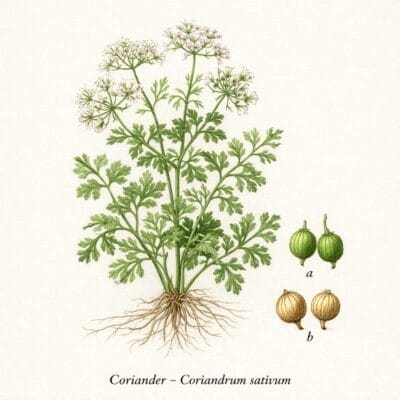
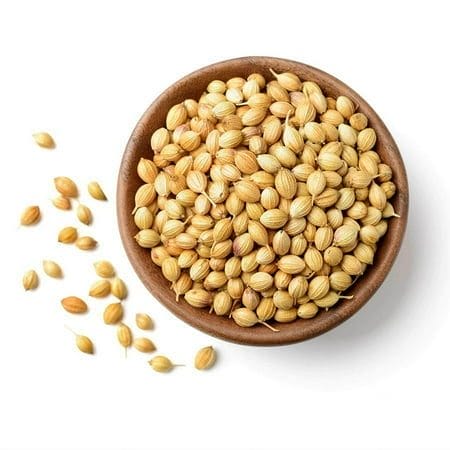
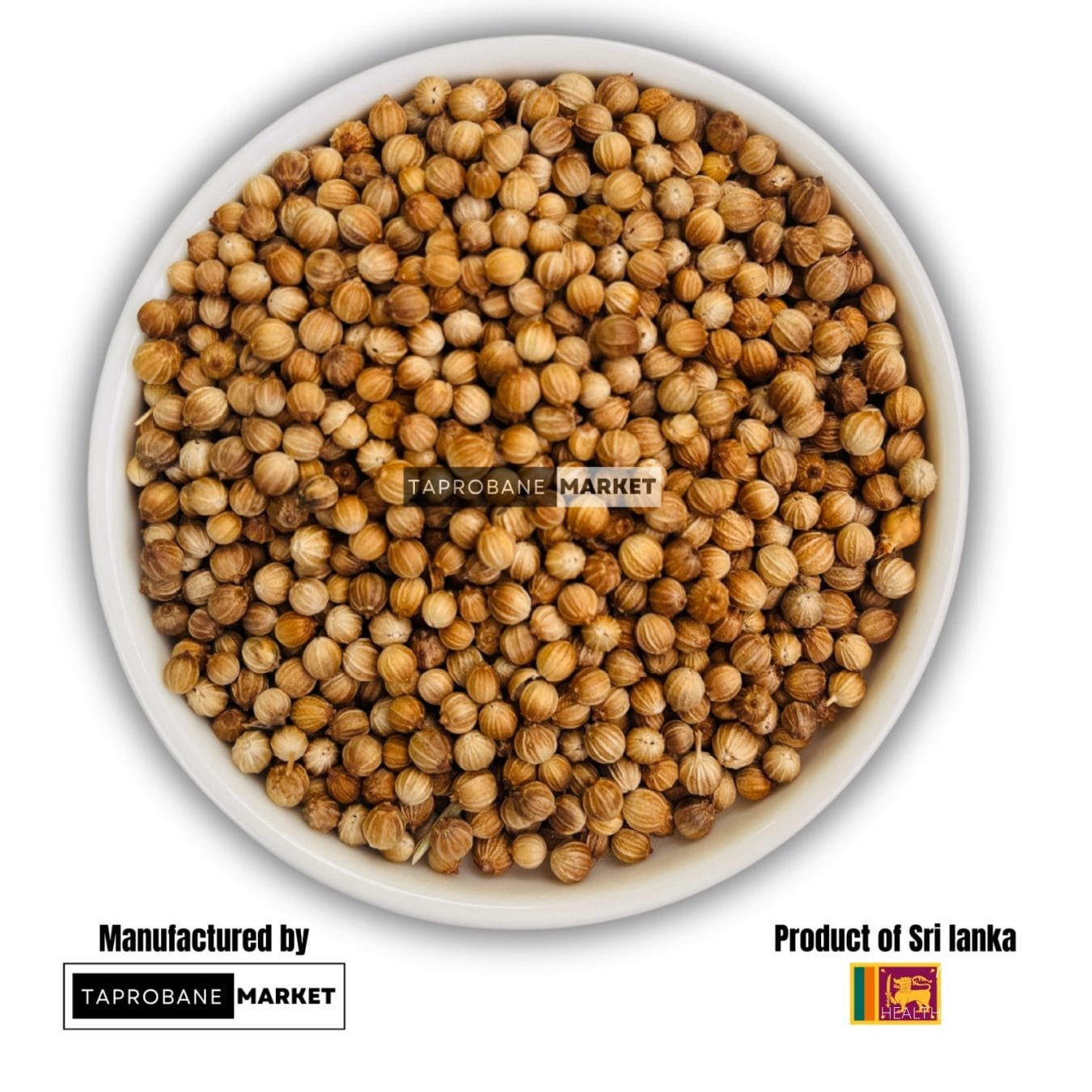
4. Coriander (Coriandrum sativum)
Primary Actions: Gentle digestive aid, cooling spice
Benefits for Pitta
- Reduces excess digestive heat
- Helps relieve acid reflux
- Supports urinary health
- Aids gentle detoxification
Common Uses
- Coriander seed tea
- Cooking spice
- Digestive blends
Ayurvedic Qualities
- Taste: Sweet, astringent
- Energy: Cooling
- Effect on Dosha: Balances Pitta
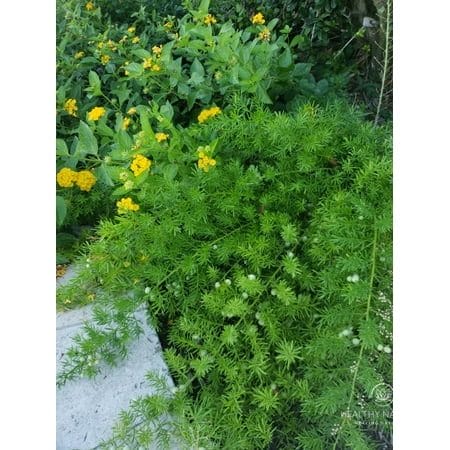
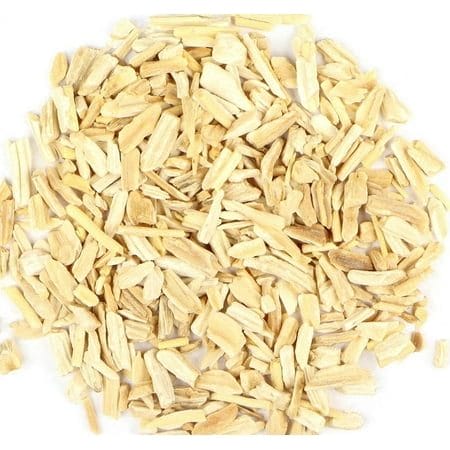
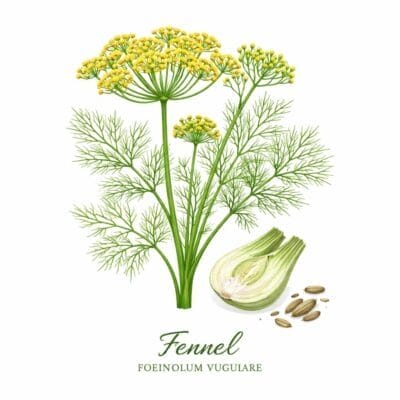
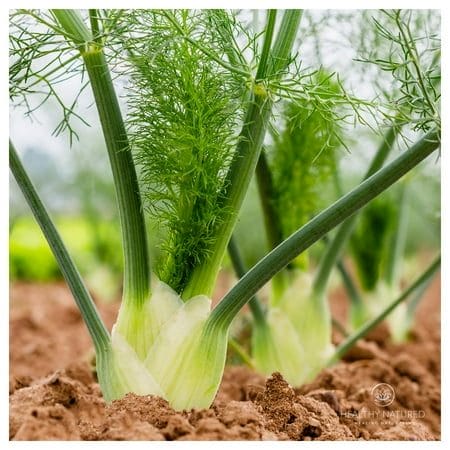
5. Fennel (Foeniculum vulgare)
Primary Actions: Cooling digestive support
Benefits for Pitta
- Reduces acidity and digestive heat
- Relieves bloating
- Supports healthy digestion
- Freshens breath
Common Uses
- Fennel tea after meals
- Chewed as a digestive aid
- Cooking spice
Ayurvedic Qualities
- Taste: Sweet, slightly pungent
- Energy: Cooling
- Effect on Dosha: Balances Pitta and Vata

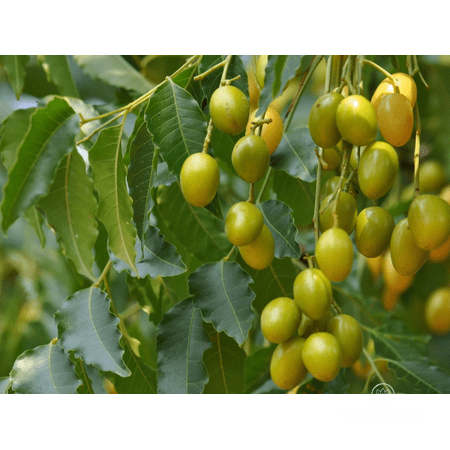
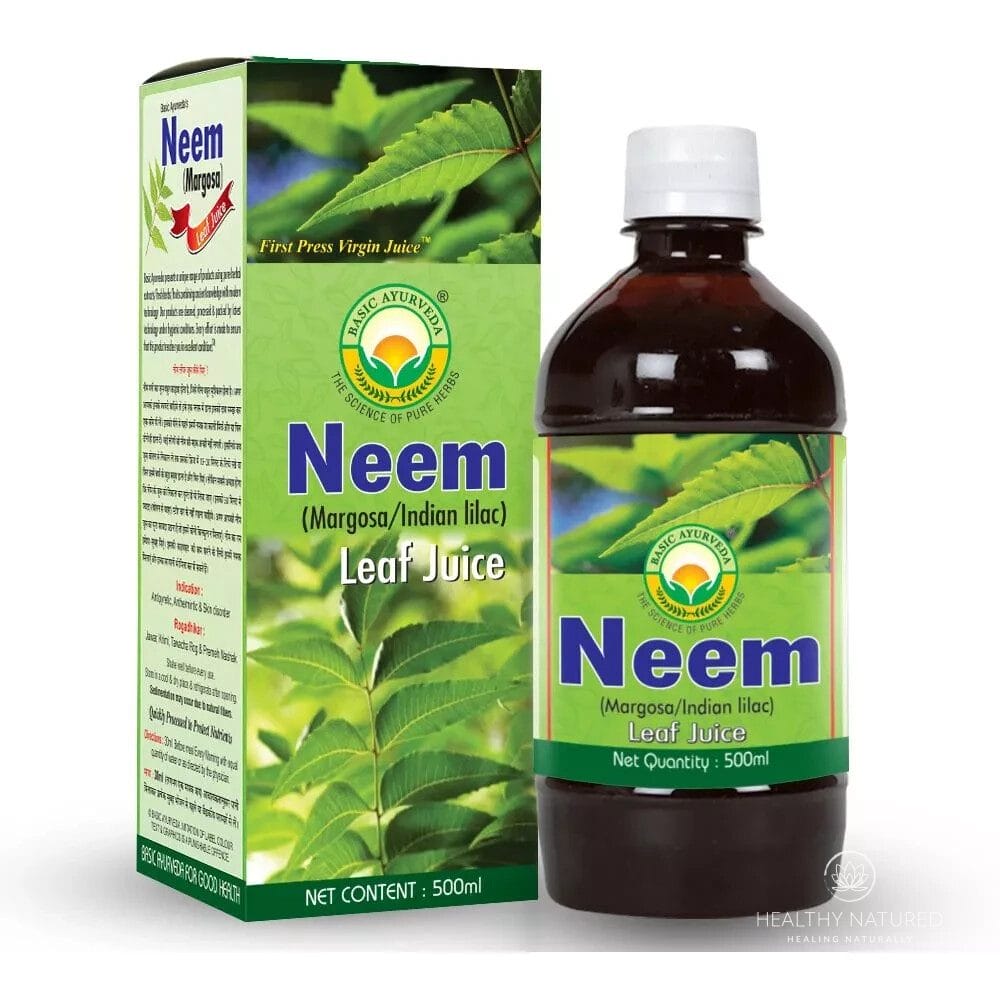
6. Neem (Azadirachta indica)
Primary Actions: Detoxifying herb, blood purifier
Benefits for Pitta
- Supports skin health
- Helps reduce inflammation
- Assists in cleansing the blood
- Traditionally used for acne and heat-related skin issues
Common Uses
- Powder or capsules
- Herbal skin formulations
- Neem tea (very bitter)
Ayurvedic Qualities
- Taste: Bitter
- Energy: Cooling
- Effect on Dosha: Reduces Pitta and Kapha
🌿 Additional Herbs Commonly Used for Pitta Balance
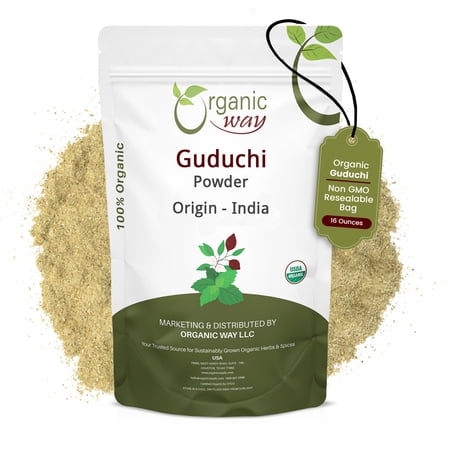
- Guduchi (Tinospora cordifolia) – immune and liver support
- Mint – cooling digestive herb
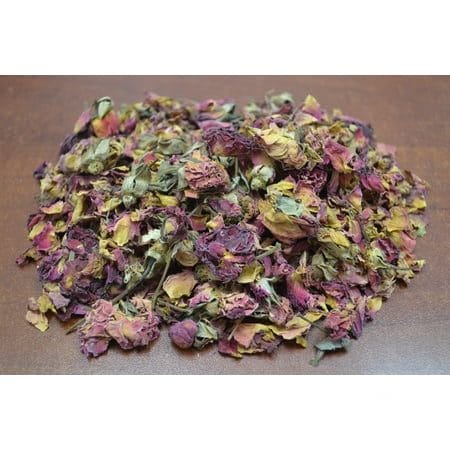
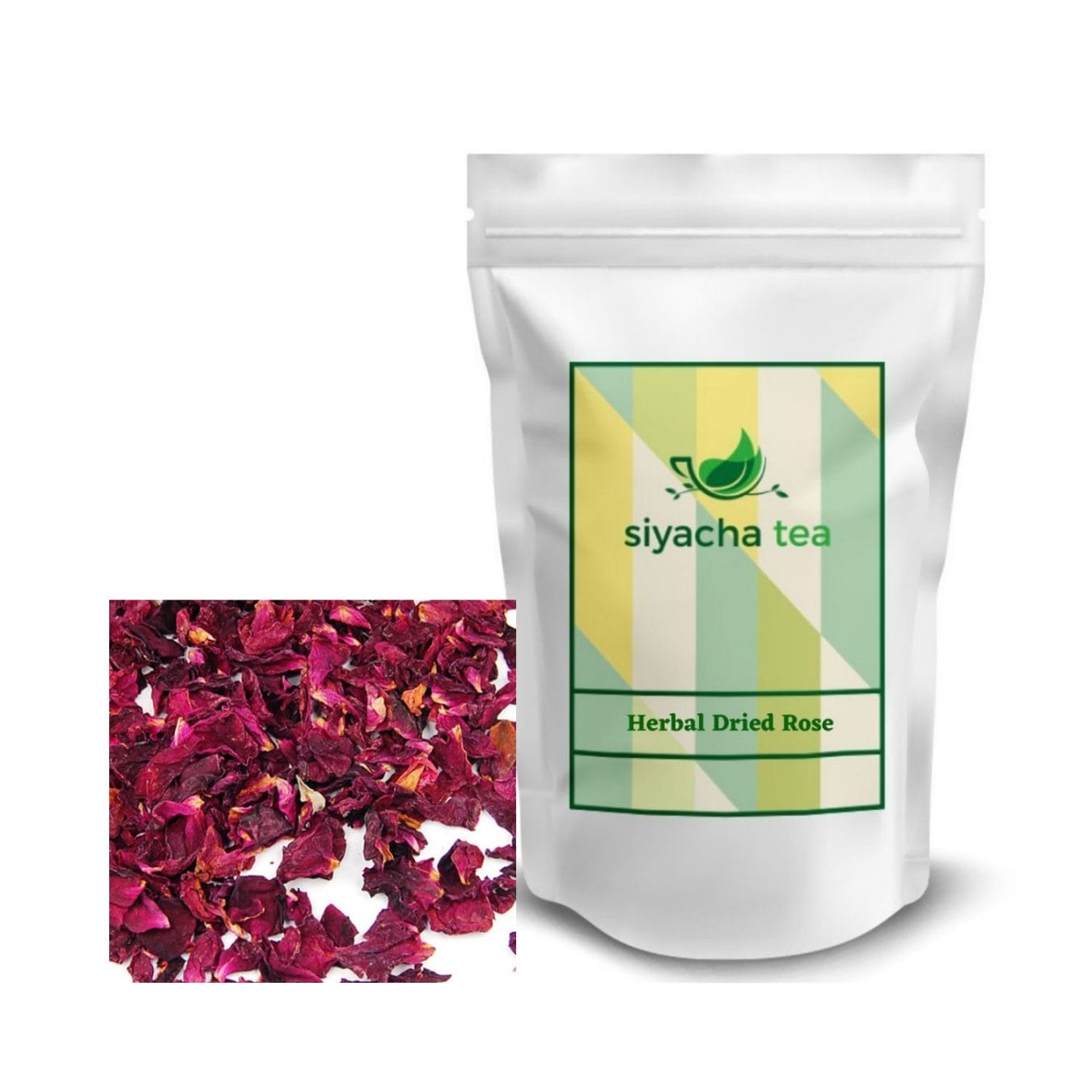
- Rose petals – calming and cooling for mind and body
- Licorice root – soothing for digestion and respiratory system

🌿 Cooling Herbal Tea for Pitta
Pitta-Calming Tea
Ingredients:
- ½ tsp coriander seeds
- ½ tsp fennel seeds
- 3–5 fresh mint leaves
Simmer in 2 cups water for 10 minutes, strain and drink warm or slightly cooled.
Benefits:
- Reduces digestive heat
- Supports liver and digestion
- Promotes calmness

Lifestyle Tips to Help Balance Pitta
Herbs work best when combined with supportive habits:
Favor cooling foods and herbs
Avoid excessive spicy, oily, and fried foods
Spend time in nature and calming environments
Practice gentle yoga, meditation, or cooling breathing techniques
Maintain balanced work and rest periods
Ayurvedic Herb Chart for Balancing Pitta Dosha
| Herb | Key Benefits for Pitta | Traditional Ayurvedic Actions | Common Uses |
|---|---|---|---|
| Amalaki (Amla) | Cools body heat, supports digestion, promotes skin health | Rejuvenative (Rasayana), antioxidant, cooling tonic | Powder with water, Triphala formulas, herbal tonics |
| Brahmi (Bacopa / Gotu Kola) | Calms mind, improves focus, reduces irritability | Brain tonic (Medhya Rasayana), nervine | Tea, capsules, medicated oils |
| Shatavari | Nourishes tissues, supports hormones, soothes digestion | Rejuvenative tonic, cooling adaptogen | Powder with milk, capsules, herbal ghee |
| Coriander Seeds | Reduces digestive heat, helps with acidity | Cooling digestive aid, mild detoxifier | Coriander tea, spice in cooking |
| Fennel | Relieves bloating, cools digestion, freshens breath | Carminative, digestive support | Fennel tea, chew after meals, cooking spice |
| Neem | Supports skin health, detoxifies blood, reduces inflammation | Blood purifier, antimicrobial herb | Capsules, powder, herbal skin formulas |
| Guduchi (Giloy) | Supports immunity, liver health, and cooling detox | Rejuvenative herb, immune tonic | Powder, decoctions, capsules |
| Mint | Cooling, soothing for digestion and heat | Digestive herb, cooling aromatic | Herbal tea, fresh leaves in drinks or meals |
| Rose Petals | Calms emotions, cools the body, supports skin | Heart tonic, cooling herb | Rose tea, gulkand, herbal blends |
| Licorice Root | Soothes stomach lining and respiratory tract | Demulcent, rejuvenative tonic | Herbal teas, powders, respiratory formulas |




Best Herbal Preparations for Pitta
Pitta benefits from cooling and soothing preparations, such as:
- Herbal teas (mint, coriander, fennel) ☕
- Infusions with cooling herbs
- Herbal powders mixed with water or milk
- Rose or brahmi infused oils
These preparations help reduce excess heat and inflammation, which are common signs of Pitta imbalance.
Simple Pitta Cooling Tea
Cooling Digestive Tea
Ingredients:
- ½ tsp coriander seeds
- ½ tsp fennel seeds
- 4–5 mint leaves
Simmer in 2 cups of water for 10 minutes, strain, and drink warm or slightly cooled.
Benefits:
- Reduces acidity
- Supports digestion
- Helps calm excess heat