
How much water should you really drink each day? While the common advice of “eight glasses a day” is simple, it rarely reflects the real factors that influence hydration needs.
Your body’s hydration requirements depend on many variables including body composition, climate, physical activity, stress levels, and metabolic type. In traditional Ayurvedic wellness practices, these patterns are described through the doshas — Vata, Pitta, and Kapha — which influence how the body retains and uses fluids.
The Healthy Natured Hydration Optimizer combines modern physiology with traditional Ayurvedic insights to estimate your daily hydration target and provide practical guidance for maintaining healthy fluid balance.
Use the calculator below to generate your personalized hydration profile.
Ayurvedic Hydration Optimizer
Ayurvedic Body Adiposity & Hydration Optimizer
Updated: February 23, 2026
Move beyond the limitations of BMI. This dual-purpose optimizer combines the Relative Fat Mass (RFM) index with Ayurvedic guidance to estimate hydration needs and metabolic profile.
Adiposity Profile (RFM)
--
Daily Hydration Target
-- ml
Personalized Wellness Guidance
Share Your Results
Hydration Status Check
Your Hydration Schedule
Herbal & Electrolyte Suggestions
Your Personal Hydration Report
Educational information only. Not medical advice. If you have a medical condition or fluid restrictions, follow clinician guidance.
Understanding Your Results
| Category | Women (%) | Men (%) | Dosha Association |
|---|---|---|---|
| Essential Fat | 10-13% | 2-5% | High Vata Sensitivity |
| Athletic Range | 14-20% | 6-13% | Balanced Pitta/Vata |
| Fitness Range | 21-24% | 14-17% | Healthy Balance |
| Acceptable | 25-31% | 18-24% | Moderate Kapha |
| Kapha-Dominant | 32%+ | 25%+ | High Water Retention |
Dosha Hydration Tips
- Vata: Sip warm water to ground energy.
- Pitta: Try cooling herbs (mint, fennel, hibiscus).
- Kapha: Hot water + ginger/lemon to support movement.
2026 Bio-Hacking Insights
- Hydrating foods (cucumber, citrus) can improve perceived hydration.
- Many people feel better spacing fluids away from heavy meals.
How the Hydration Optimizer Works
This tool combines two complementary approaches to hydration guidance: modern body composition metrics and traditional Ayurvedic wellness principles.
Relative Fat Mass (RFM)
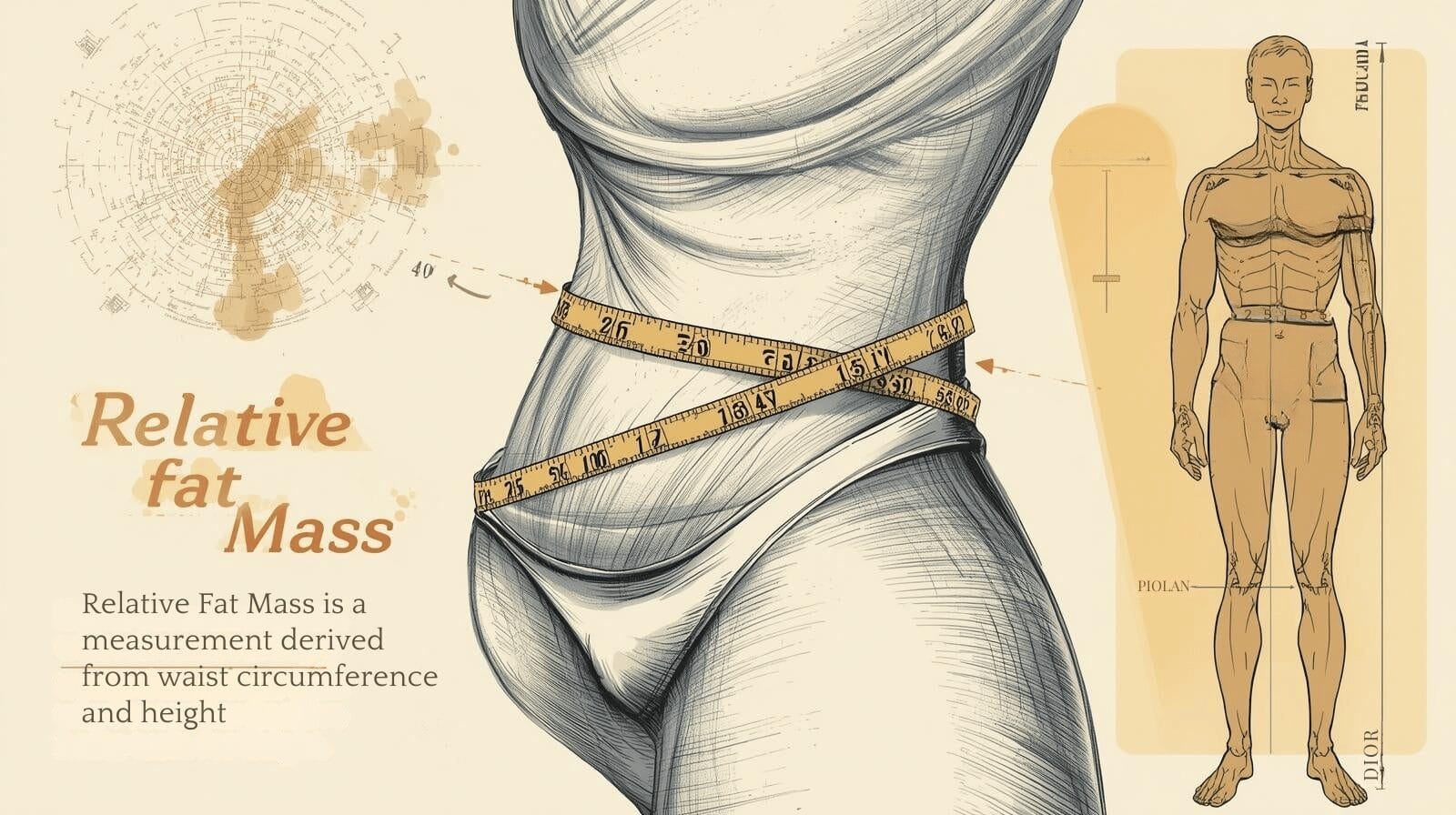
Relative Fat Mass is a measurement derived from waist circumference and height1Suthahar N, Lau ES, Savarese G. Relative Fat Mass: Refining Adiposity Measurement in the Era Beyond Body Mass Index. Curr Heart Fail Rep. 2025;22(1):22. Published 2025 Jul 19. doi:10.1007/s11897-025-00709-w. It was developed as an alternative to BMI because BMI does not account for body fat distribution. Research suggests RFM can be a useful indicator when estimating body composition in population studies.
While it does not directly measure body fat, RFM can help contextualize hydration needs by reflecting how body composition influences water storage and metabolism.
Hydration Calculation
The hydration estimate produced by the calculator begins with a baseline formula commonly used in clinical nutrition:
- Approximately 30–35 ml of water per kilogram of body weight per day
This baseline is then adjusted based on:
- Exercise levels
- Environmental climate
- Stress patterns
- Ayurvedic dosha tendencies
The result is a practical daily hydration estimate designed for lifestyle guidance rather than medical prescription.
The Science of Hydration
Water plays an essential role in almost every physiological process in the body. It supports circulation, temperature regulation, nutrient transport, digestion, and cognitive performance.
Even mild dehydration can influence energy levels, concentration, and perceived fatigue. However, hydration needs vary significantly between individuals.
Key factors influencing hydration requirements include:
- Body size and composition
- Physical activity levels
- Environmental temperature and humidity
- Diet and salt intake
- Hormonal and metabolic factors
Because of these variations, hydration recommendations should be treated as flexible guidelines rather than rigid rules.
Hydration Through the Ayurvedic Lens
Ayurveda approaches hydration differently from modern nutritional science. Rather than focusing solely on quantity, it considers the energetic qualities of fluids and how they interact with an individual’s constitution.

Vata Hydration Patterns
Vata types are associated with dryness and variability. They often benefit from warm liquids and steady sipping throughout the day rather than large amounts consumed at once.

Pitta Hydration Patterns
Pitta types tend toward heat and intensity. Cooling drinks, herbal infusions, and adequate hydration during periods of stress or physical exertion can be particularly supportive.

Kapha Hydration Patterns
Kapha types often retain fluid more easily. Warm drinks and moderate hydration spread across the day can support balance without creating sluggishness.
Signs You May Need More Hydration
- Darker urine color
- Dry mouth or lips
- Fatigue or headaches
- Reduced concentration
- Increased thirst
A simple daily indicator is urine color. Pale straw-colored urine typically reflects adequate hydration, while darker shades may suggest increased fluid needs.
Practical Hydration Tips by Dosha

For Vata Types
- Drink warm water or herbal teas
- Avoid long periods without fluids
- Include mineral-rich broths

For Kapha Types
- Favor warm liquids over cold drinks
- Use spices like ginger or cinnamon
- Avoid large volumes of fluid late at night

For Pitta Types
- Choose cooling herbal drinks like fennel or mint
- Avoid excessive caffeine during hot weather
- Maintain hydration during intense work or exercise
Frequently Asked Questions About Hydration
How much water should I drink per day?
General guidance suggests around 30–35 ml per kilogram of body weight per day, but individual needs vary depending on activity levels, climate, and health factors.
Is the eight-glasses rule accurate?
The “eight glasses per day” rule is a simple guideline, but many people require more or less depending on body size, environment, and physical activity.
Do tea and coffee count toward hydration?
Most beverages contribute to daily fluid intake. However, drinks containing caffeine may have mild diuretic effects in large quantities.
Can herbal teas count as water?
Yes. Many herbal teas provide hydration while also delivering beneficial plant compounds.
How can I tell if I am dehydrated?
Common signs include dark urine, thirst, fatigue, headaches, and reduced concentration.
Explore More Natural Wellness Guides
- Natural Kitchen Cleaning Guide
- Complete Guide to Castile Soap
- How to Make Herbal Tinctures
- DIY Mango Butter Moisturizer
References
- 1Suthahar N, Lau ES, Savarese G. Relative Fat Mass: Refining Adiposity Measurement in the Era Beyond Body Mass Index. Curr Heart Fail Rep. 2025;22(1):22. Published 2025 Jul 19. doi:10.1007/s11897-025-00709-w