

- Understand Singing Bowls and Their Origins
- Choose the Right Singing Bowl for Your Needs
- Benefits of singing bowl meditation
- Prepare to Play: Gather Tools and Set Up Your Space
- Master Basic Techniques: Striking and Rimming
- Explore Advanced Playing Methods and Practical Applications
- Answer Common Questions About Playing and Using Singing Bowls
- How To Use Singing Bowls Safely and Address Risks
- Conclusion
- FAQ
Have you ever found yourself captivated by the haunting, shimmering sound of a singing bowl, wondering how such a simple instrument can soothe your mind or lift your energy? You’re not alone—many people are drawn to these beautiful bowls, but when it comes to actually playing them, it’s easy to feel unsure where to begin or how to create those clear, resonant tones.
Whether you’re hoping to deepen your meditation, explore the science of sound healing, or choose your perfect bowl, understanding the art of playing Tibetan singing bowls is key. Stick with me, and you’ll gain practical tips, techniques, and insights on how to use singing bowls and unlock their full potential.

Understand Singing Bowls and Their Origins
Singing bowls, sometimes called Himalayan or Tibetan singing bowls, are specialized instruments known for producing resonant, soothing sounds when struck or circled with a mallet. These bowls play a central role in sound healing, a practice that uses sound vibrations to promote relaxation, meditation, and holistic well-being.
Historically, singing bowls have deep roots in cultures across the Himalayas—particularly within Buddhist practices, though non-Buddhist traditions have also adopted them for their calming effects and ceremonial uses. In Buddhism, which you can explore further here, bowls are often used in rituals, meditation sessions, and as a support for mindfulness. Beyond their spiritual significance, singing bowls have found a place in modern wellness circles, with sound healing sessions incorporating their unique tones to harmonize mind and body (more on sound healing instruments).
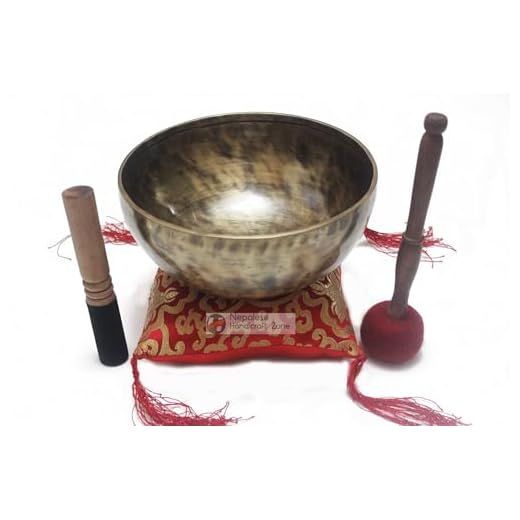
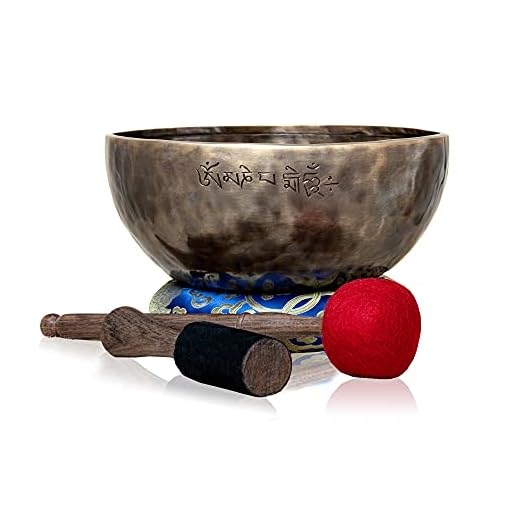
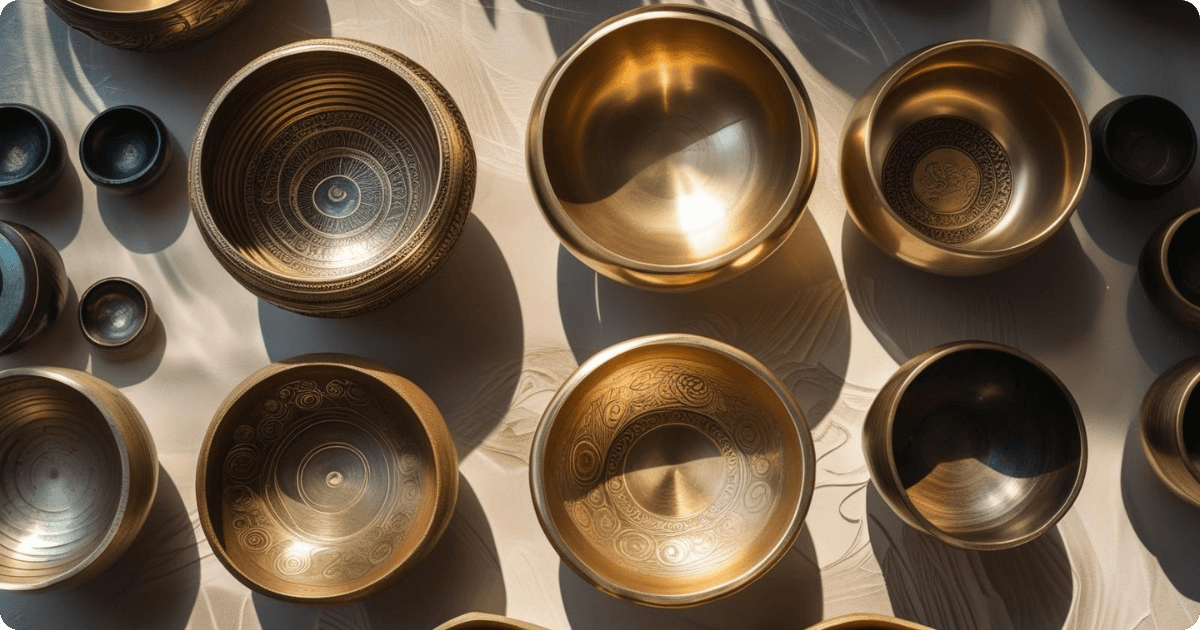
Traditionally, most singing bowls were crafted from seven-metal alloys—a blend of copper, tin, iron, lead, gold, silver, and mercury—each believed to symbolize a celestial body and contribute to the bowl’s distinctive sound. Today most are Bronze, another common material, known for its durability and warm resonance.
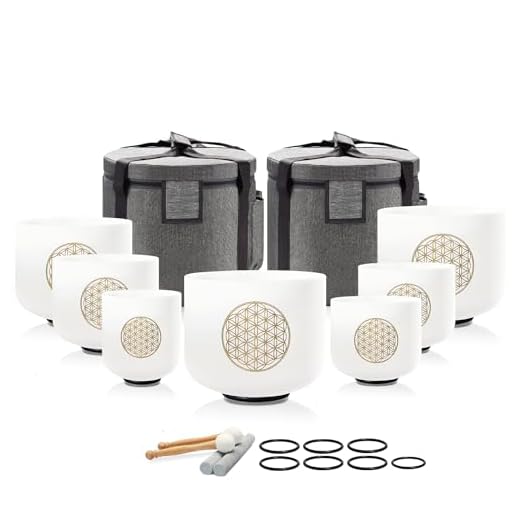
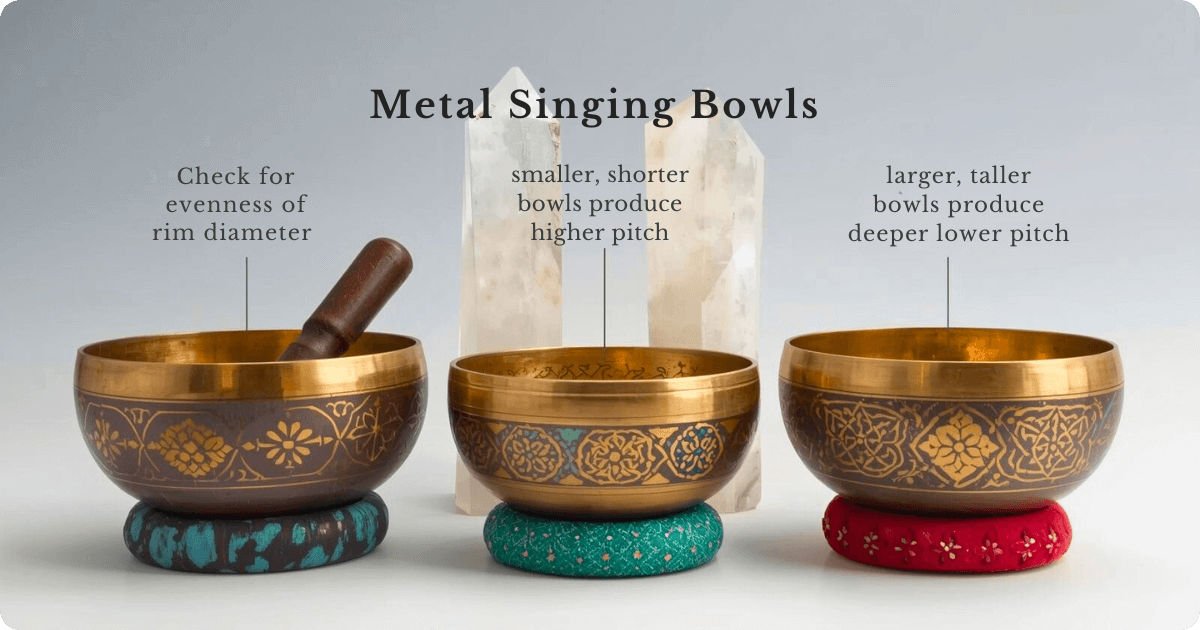
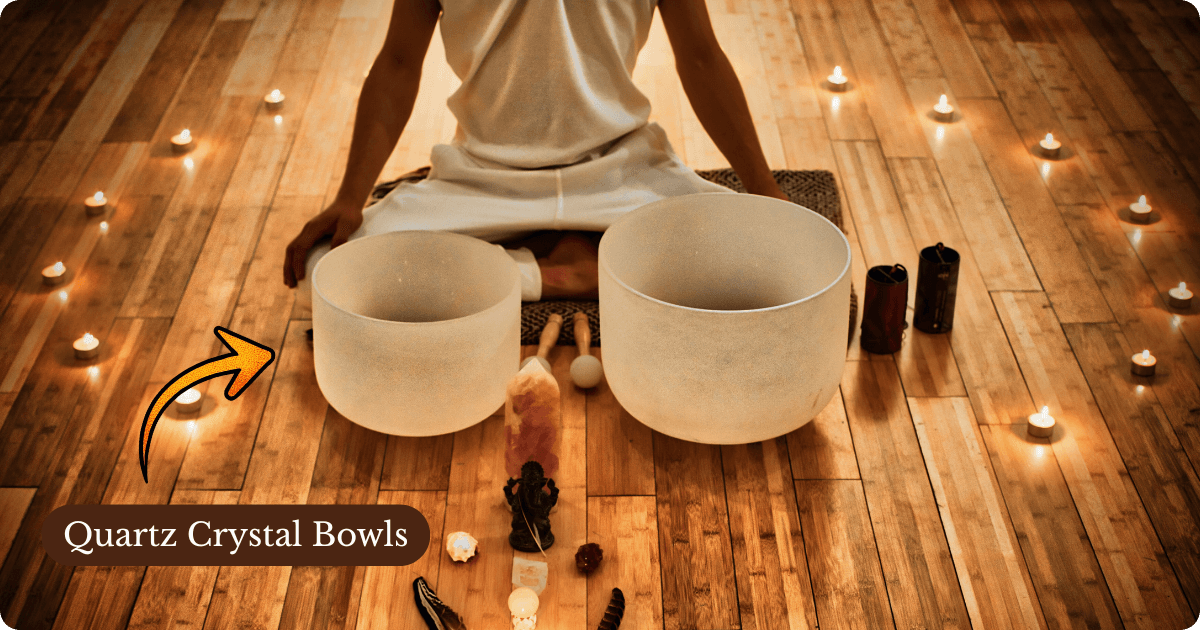
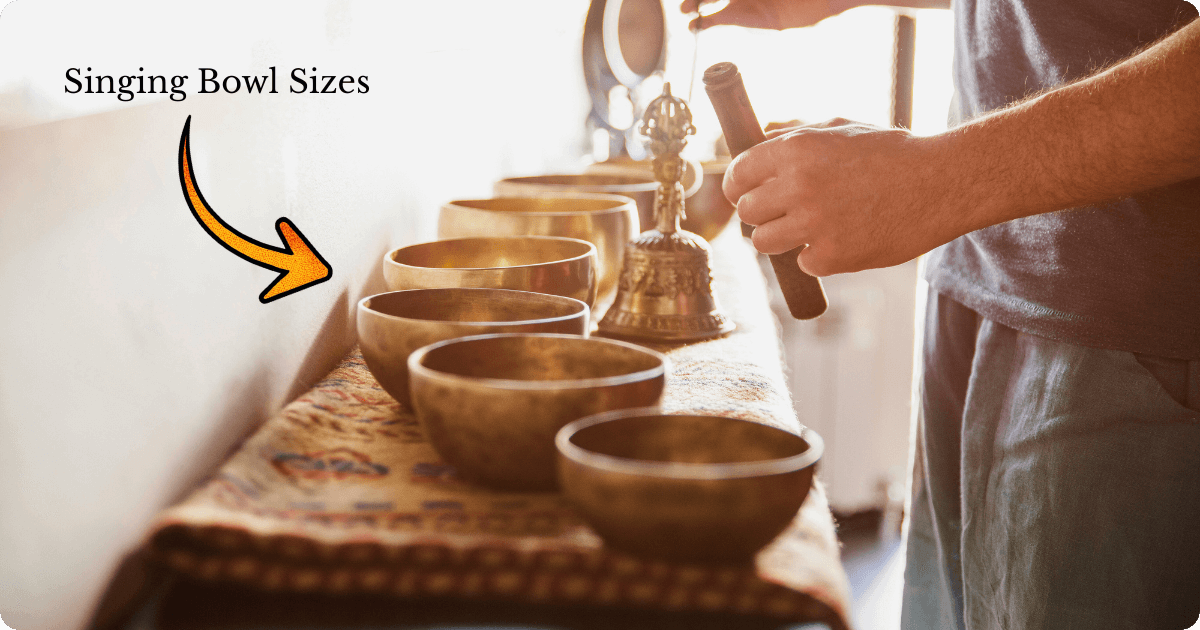
In recent decades, crystal singing bowls made of pure quartz have gained popularity, offering a completely different clarity in tone and visual aesthetic. The size and shape of a singing bowl deeply influence its sound: larger, heavier bowls tend to emit lower, grounding frequencies, while smaller, thinner bowls produce brighter, higher-pitched tones.
The material—whether alloy, bronze, or crystal—also impacts how the bowl’s vibrations travel, giving each type a unique energy signature and application in practices from meditation to chakra balancing. Understanding the physical qualities of a bowl helps you choose the right instrument for specific uses, whether your goal is deep relaxation, ceremonial practice, or focused energy work.
Choose the Right Singing Bowl for Your Needs
Selecting a singing bowl is a highly personal process, shaped by factors such as sound qualities, intended use, and your budget. Metal singing bowls, once made from seven-metal alloys or bronze, are prized for their rich, layered harmonics and long-lasting vibrations. These are especially favored in sound baths, meditation, and traditional therapy. Crystal singing bowls, often crafted from pure quartz, deliver a clearer, more piercing tone with less complex overtones—many find these ideal for focused chakra work and group meditations, especially in modern wellness settings.
Quality and craftsmanship should be top concerns when evaluating a singing bowl. Examine the bowl’s symmetry, thickness, and finish: high-quality bowls are smooth, have clear marks of hand-hammering or precision molding, and produce a pure, consistent tone when played. Listen for resonance and sustain—a good bowl will “sing” with rich, layered sound and minimal harshness or metallic ring.
Your intended use determines what kind of bowl will serve you best:
- For meditation and relaxation, medium- to large-sized metal bowls with deep, grounding notes typically work well.
- In therapeutic settings or for balancing the 7 major chakras, multiple bowls tuned to different pitches may align with specific chakras—such as a C note for the root chakra or an F note for the heart chakra.
Budget also plays a role. Hand-hammered antique bowls are valued by collectors but can be expensive, whereas machine-made or small crystal bowls are more accessible. If you are new to sound healing, start with a reputable dealer known for authentic instruments and transparent sourcing.
Keep in mind that bowl size isn’t just about volume; it affects both the feel and the application. Larger bowls tend to anchor energy and are used for broader sound baths, while smaller bowls offer portability for travel or tabletop meditation. When selecting, try to listen to several bowls and notice how different notes and vibrations resonate with your body and energy needs.
By understanding these qualities and considerations, you’ll be equipped to choose a singing bowl that becomes a valuable tool in your personal or professional practice, fostering deeper focus, relaxation, and energetic alignment.
Discover the Science and Benefits of Using Singing Bowls
Recent scientific research is beginning to validate what many ancient traditions have long practiced: sound therapy with singing bowls can impact the brain and body in measurable ways. One area of study, known as brainwave entrainment, explores how rhythmic sounds—like those from a singing bowl—help synchronize brainwave activity, promoting states linked to deep relaxation, mindfulness, or alert focus.
Numerous small studies indicate that participants exposed to singing bowl sessions often report lower stress and anxiety. For instance, after just 30 minutes of listening to singing bowls, many people describe enhanced clarity, increased feelings of peace, or improvements in mood and sleep. These effects are thought to be connected to the bowl’s soothing frequencies, which can lead to reductions in blood pressure, muscle tension, and overall markers of physical stress. Pain relief and a boost in immune response have also been cited in preliminary research.
Singing bowls are closely tied to the concept of chakra healing, where each chakra—such as the root chakra, sacral chakra, or heart chakra—can be balanced through particular sound vibrations. Practitioners often use bowls tuned to the frequency of each energy center, aiming to support both emotional and physical well-being. Research and tradition both point to positive impacts on subtle energy fields, or the aura, which many believe influences overall auras and chakras energy health.
Skeptics sometimes attribute the positive effects of singing bowls to the placebo effect—simply expecting relaxation can lead to real feelings of wellness. However, brain imaging studies and emerging research into vibrational sound healing suggest that the physiological changes observed go beyond mere suggestion, supporting the idea that sound can be an effective tool for mental and physical rejuvenation.

Benefits of singing bowl meditation
The warm tones and gentle vibrations from singing bowls can make meditation feel more comforting and support your wellbeing—mind, body, and spirit.
Mental and emotional benefits
- Reduces stress: The soft, steady sound helps you relax and can lower the release of stress hormones.
- Improves concentration: The tone gives you something easy to focus on, which can calm your mind and keep you present during meditation.
- Enhances emotional wellbeing: Those gentle vibrations can feel like they help release negative emotions and promote inner calm.
Physical benefits
- Lowers blood pressure: Relaxation from the practice may help reduce blood pressure, slow the heart rate, and support cardiovascular health.
- Improves sleep quality: Quieting the mind with soothing tones can make it easier to wind down and get better rest.
- Pain relief: The relaxing sounds and vibrations may help ease or manage pain symptoms.
Spiritual benefits
- Deeper meditation experiences: The vibrations can be a lovely focal point that helps you enter and stay in a meditative state more easily.
- Heightened spiritual awareness: The sound can encourage a sense of connection with your inner self and the world around you, nurturing spiritual wellbeing.
Prepare to Play: Gather Tools and Set Up Your Space
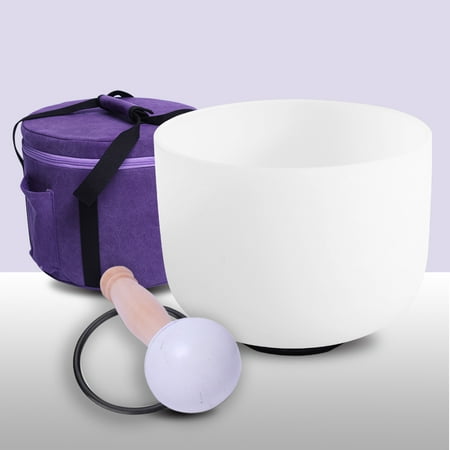
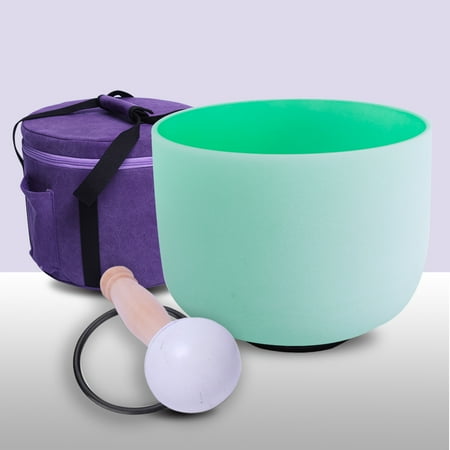
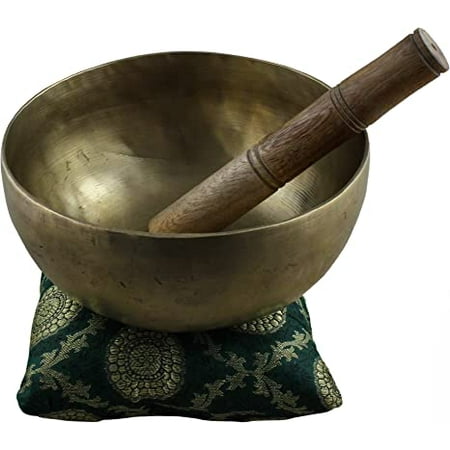
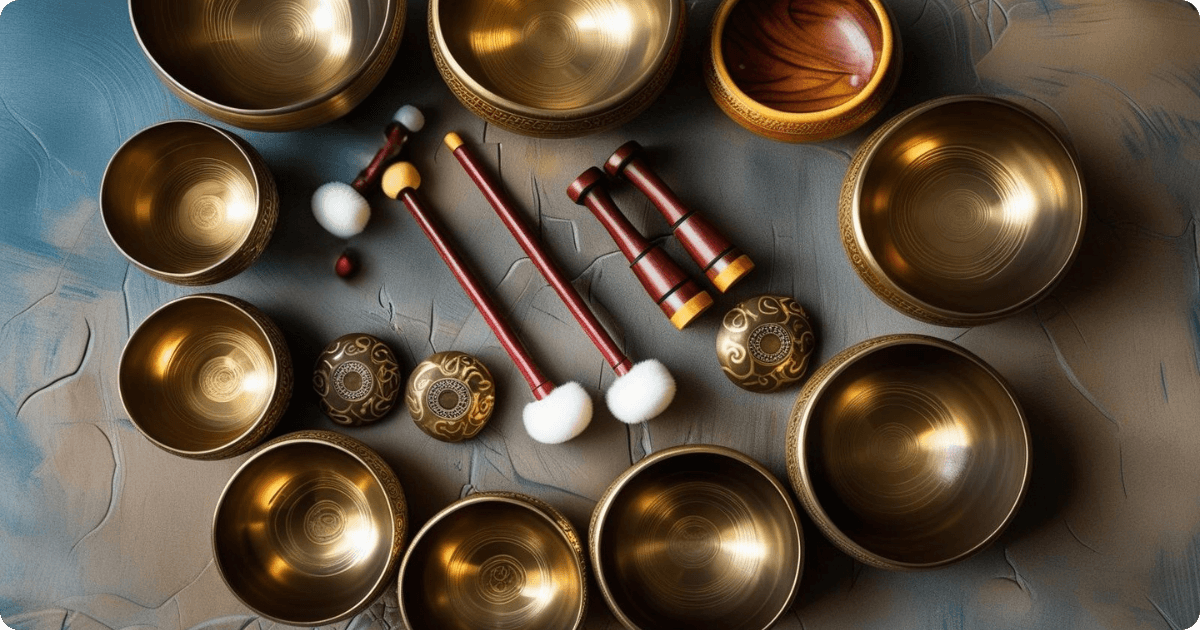
To get the most from your singing bowl experience, preparation is key. Start by gathering essential tools: your singing bowl, a suitable striker or mallet, and a cushion or ring to rest the bowl on. The striker and cushion help you produce a clear, resonant tone and prevent unwanted vibrations or damage to the bowl.
Quiet Space
Creating an effective sound healing or meditation environment matters just as much as the tools themselves. Choose a quiet space where you won’t be interrupted—this allows you to fully absorb the bowl’s sound and vibration. Soft lighting and a tidy setup contribute to a calming atmosphere. Consider adding items like candles, comfortable seating, or calming scents, if that enhances your focus.
Sit Comfortably
When positioning yourself, aim to sit with your spine straight and shoulders relaxed. Place the bowl on its cushion in front of you or in your open palm if it’s small enough. Minimize distractions by turning off devices, silencing notifications, and letting others know you’re about to begin a session.
Hold The Bowl Properly
Safety and comfort go hand in hand. Handle the bowl with clean, dry hands to prevent slips or damage. After your practice, store the bowl in a safe place and wipe it gently to preserve its finish and sound quality. These small steps not only maintain your bowl’s longevity, but also help you build a consistent, rewarding sound meditation routine.


Master Basic Techniques: Striking and Rimming
Learning how to play a singing bowl begins with the foundational striking and rimming methods. To achieve clear, resonant tones, it’s important to use the right type of mallet—usually a wooden or suede-tipped striker—and hold it firmly but gently.
Do I Strike Or Rub The Bowl?
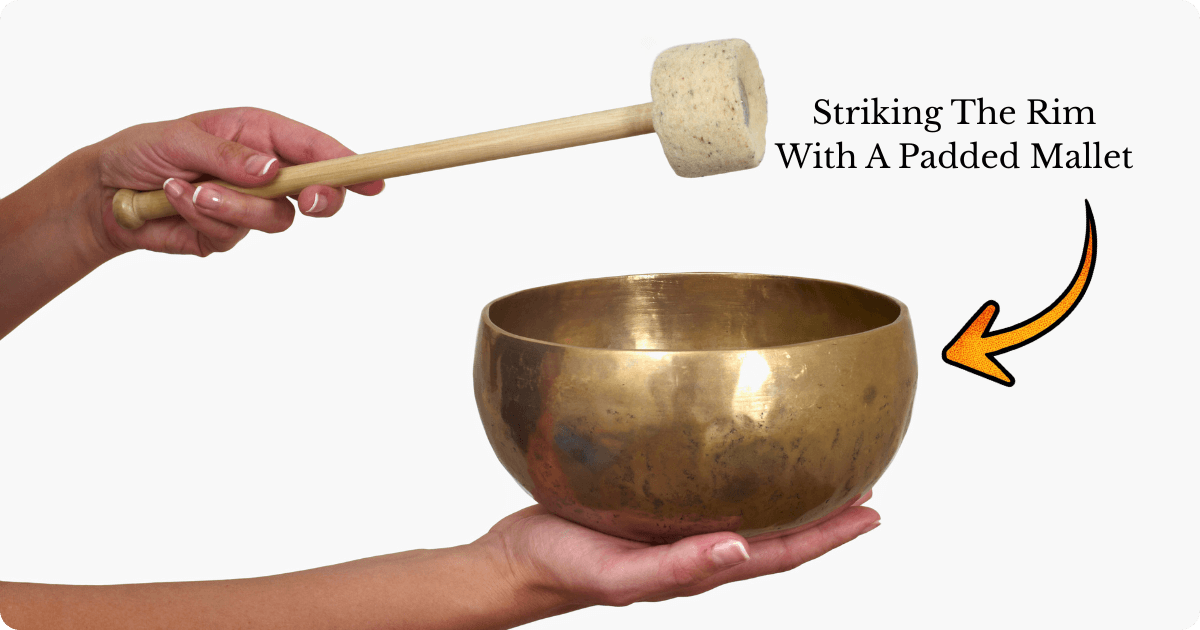
For striking, position your singing bowl on a cushion or your palm, making sure nothing is touching its rim. Grip the striker like a pencil, then gently tap the bowl’s outer wall about halfway up. The goal is to create a pure, ringing note without sharpness or buzzing.
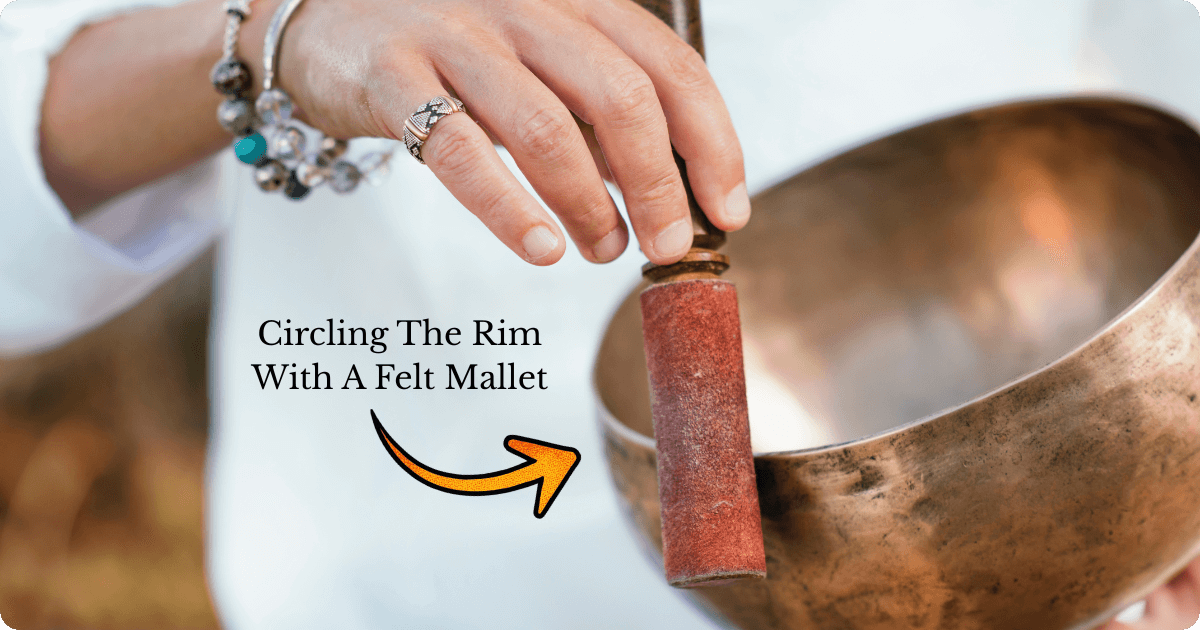
Moving on to the rimming technique, hold the bowl steady with your non-dominant hand. Place the mallet vertically against the outer rim, then circle it clockwise with slow, steady pressure. Maintain consistent speed and gentle, even pressure; this coaxes the bowl into a steady “singing” resonance.
Beginners often encounter common issues, like a bowl that won’t sing or produces squeaks. If this happens, try pressing a bit more firmly, slowing your rotation, or switching to a suede-covered mallet. Experiment with the position of your hand and the angle of the striker—sometimes even a slight adjustment can make a significant difference.
To explore different sound variations, you can try tapping in various spots or adjusting speed and pressure while rim-rubbing. Some bowls respond differently depending on whether you use a wooden or suede mallet.
Focus on The Sound
As you play remain as present as you can. If your thoughts drift, softly return your focus to the sound of the bowl. This mindful playing will produce the quality sound you’re looking for. Notice how the vibrations move through your body, or sense the resonance in your hands if you’re holding it. Observe how the sound affects your breathing and relaxation. When the sound fades, tune into the silence that follows — this quiet can offer a strong sense of stillness and presence.
Build your confidence and skill by setting aside a few minutes each day to practice. Alternate between striking and rimming, listening closely to the nuances in sound. Over time, your touch will become more intuitive, and you’ll find it easier to produce those beautiful, sustained tones that make singing bowls such powerful tools for meditation and sound healing.
Explore Advanced Playing Methods and Practical Applications
Once you’re comfortable with the basics, singing bowls offer a world of advanced techniques and creative uses that deepen their impact for both personal and group healing. One captivating method is using water in a singing bowl. After filling your bowl with a small amount of water and gently rimming, you’ll notice dancing water droplets and unique, wavering vibrations—a sensation that some practitioners use for deeper relaxation or to enhance the visual aspect of sound healing.
Exploring vocal overtones is another powerful approach. By humming or chanting with the bowl as it’s played, you can layer your voice with its natural harmonics, creating a rich acoustic environment. This technique is often used in group meditation and yoga classes to foster focus and collective energy.
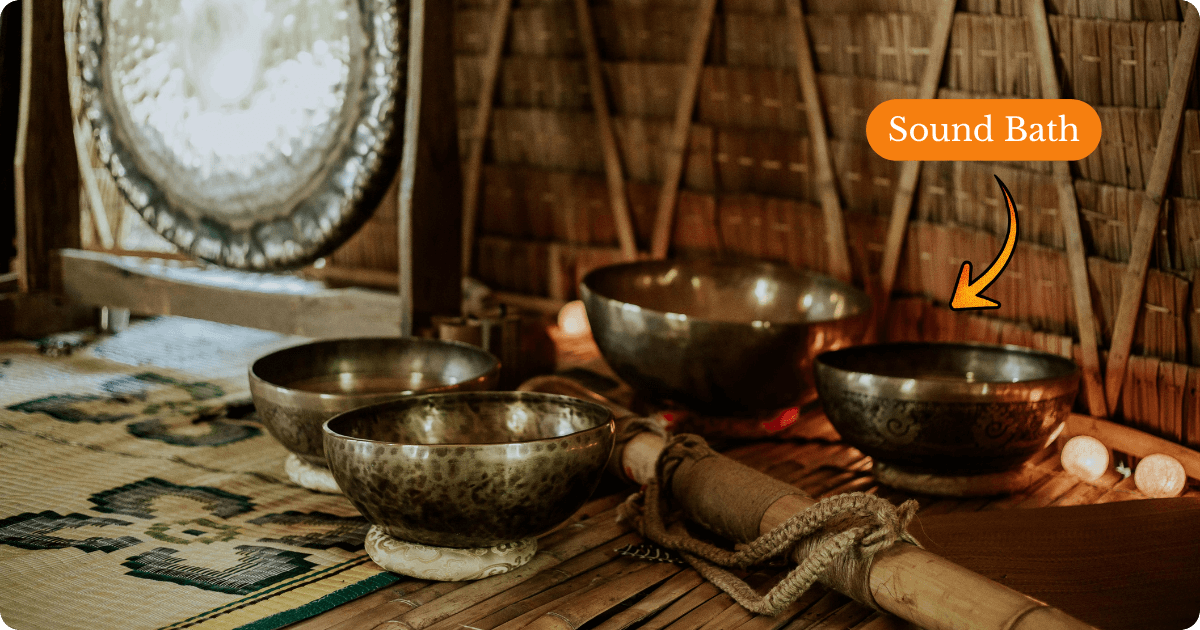
Multi-bowl sessions are also popular in sound therapy. By playing several bowls tuned to different notes, you can envelop the space in layered frequencies, making it possible to target multiple energy centers or create immersive sound baths. Professional therapists often use this method in practices such as holistic massage to reduce stress, where the sound vibrations complement physical relaxation techniques.
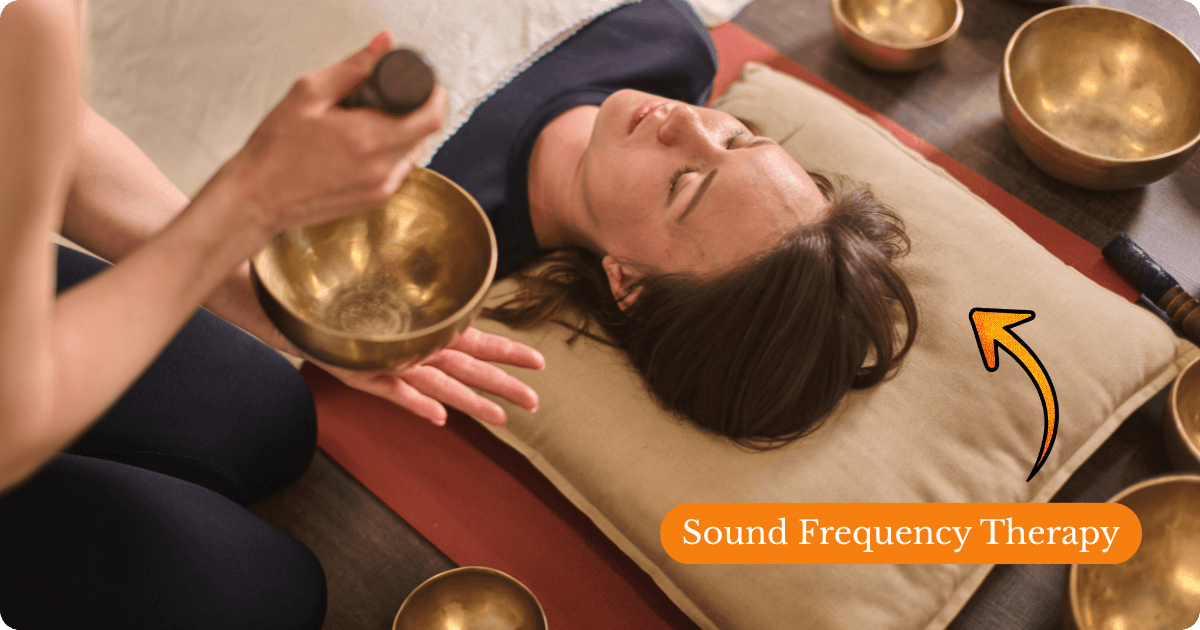
Integrating singing bowls into yoga classes, group meditation, or therapy sessions can elevate the shared experience. A skilled facilitator might begin or close a session with singing bowls, guiding participants into a more profound state of mindfulness.
Singing bowls also lend themselves well to chakra work and energy balancing. Specific notes correspond to different chakras—playing the right bowl while focusing intention can support chakra balancing and energy work, whether for yourself or in sessions with clients.
In real-life healing practices, some professionals use bowls near the body on or off the skin, letting the resonance target areas of tension or discomfort. Others integrate bowls as part of alternative or complementary treatments for stress, anxiety, or even sleep disorders. If you’re looking to expand your approach, experiment with bowl combinations, collaborate with other practitioners, or introduce singing bowls into family or community mindfulness routines.
Singing bowls have endless creative and therapeutic potential when you explore advanced methods with mindful practice and intention. Let your curiosity guide you, paying close attention to how these sound healing instruments shift the energy within and around you.



Trouble Shooting Sound
Singing bowl “chattering:”
A “chattering” or rattling singing bowl makes a high, uneven sound. If your bowl chatters, you’ll notice—it’s not very pleasant or relaxing. Chattering happens when the pressure is uneven or too light. To stop the mallet from bouncing off the rim, slow your movement and use steadier, more consistent pressure.
The sound is too high-pitched:
If your singing bowl sounds too high, there are two likely reasons.
First, you may have chosen a bowl that naturally produces higher tones. Smaller bowls usually give higher pitches (which can be useful—higher tones are often used for clearing illness or pain), but if you prefer a deeper sound, try a medium or larger bowl for lower notes.
Second, the mallet you’re using might be the cause. A wooden mallet used to rim or strike a bowl tends to create brighter, higher pitches that some people find sharp. Try rimming your bowl with a leather-wrapped mallet or striking it with a wool-padded striker instead.
Sound is overwhelming:
You might be more sensitive to your Tibetan singing bowl, especially as a beginner—those vibrations can feel intense at first. If the bowl affects you negatively, try limiting playing to no more than five minutes a day. Practicing in the evening before bed can help, too, since you can process the bowl’s vibrations and energy while you sleep. Another possibility is volume: some bowls, like crystal singing bowls, are very loud. If the sound feels too strong, use lighter, gentler pressure and slow your rotation.
Answer Common Questions About Playing and Using Singing Bowls
Many people starting with singing bowls encounter similar questions and challenges along the way. A common concern is, “Why can’t I make my bowl sing?”—this usually comes down to technique and patience.
If your bowl isn’t resonating, check your grip: hold the bowl gently in your palm or on a supportive cushion, making sure to avoid muting the sound. The mallet or striker should be held firmly but not tightly, and when rimming the bowl, maintain steady pressure and a smooth, controlled motion.
Experiment with speed and angle: sometimes, simply slowing down or using a softer mallet fixes the issue. If squeaks happen, try relaxing your wrist and letting the mallet glide rather than pressing hard.
Another frequent question is how often to use your singing bowl for best results. There’s no strict rule, but most practitioners recommend brief daily sessions—or a few times a week—to maximize the calming benefits without risking overexposure. Listen to your own response; some people find short sound healing sessions daily help with meditation, while others prefer longer, less frequent use for deep relaxation or energy work.
When choosing between metal and crystal singing bowls, preferences often come down to sound, feel, and use. Metal bowls produce warm, layered tones and are ideal for traditional meditation or chakra work, while crystal bowls emit pure, penetrating notes well-suited for larger spaces and profound energy clearing. If you’re unsure, try both types—many sound healing practitioners combine them for richer vibrational experiences. For more insight on sound healing instruments, consider learning about different materials and their unique qualities.
Some myths persist in the world of sound healing, such as the belief that only certain people can play singing bowls or that bowls must be ancient to be effective. In reality, anyone can learn with practice, and both modern and traditional bowls are capable of producing therapeutic sound and resonance.
If you worry about subtle body effects or impacts on your aura, know that sound frequencies may gently interact with your energy field but should never cause harm when used respectfully. To better understand the subtle bodies and aura colors meaning, explore resources on energy health.
Embrace curiosity, keep experimenting, and remember—mastery and deeper connection with your singing bowl come with mindful use and open exploration.
How To Use Singing Bowls Safely and Address Risks
Singing bowls are generally safe for most people, but there are important risks and contraindications to understand before incorporating them into your sound healing practice. Individuals with certain health conditions—such as epilepsy, some psychiatric disorders, or neurological sensitivities—may be at risk of adverse reactions to the vibrations and frequencies produced by singing bowls. Vibrational sounds can potentially trigger seizures in those with epilepsy, and they may cause discomfort or distress for people prone to anxiety, psychosis, or other psychiatric challenges.
If you have a pacemaker, metal implants, or known metal allergies, metal singing bowls might pose additional concerns, due to the potential for localized skin reactions or unwanted interaction with medical devices. Pregnant individuals, especially in the first trimester, are advised to consult a healthcare professional before participating in prolonged or intense sound healing sessions, as certain frequencies and strong resonance could contribute to discomfort.
Addressing High Pitched Sounds
To ensure a good experience, play singing bowls in calm, controlled environments where volume levels never become overwhelmingly loud. Extended exposure to high-decibel sounds is unnecessary and may damage hearing or create stress instead of relief.
Consult your healthcare provider before beginning sound healing practices if you have any medical conditions or concerns about the effects of vibrational therapy. Always observe how your body and mind respond during and after sound sessions, and discontinue use if any discomfort or adverse effects occur. Responsible use means listening to your own boundaries, respecting the experience of others, and remembering that singing bowls are complementary to—rather than replacements for—medical care or professional mental health support.
Conclusion
Singing bowls are more than just beautiful instruments; they are powerful tools for meditation, relaxation, and holistic well-being. Their unique sounds connect centuries of tradition with modern sound therapy, offering tangible benefits for mind, body, and spirit.
By choosing the right bowl, setting clear intentions, and developing your playing technique, you can harness their full potential—whether for personal growth, stress relief, or therapeutic practice. Embrace mindful, responsible use, and let the vibrational tones guide you on your wellness journey.
If you’re ready to explore sound healing or deepen your practice, now is the perfect time to pick up a singing bowl and begin.