- Explore the Seven Chakras and Their Role in Yoga
- Activate the Root Chakra with Foundational Yoga Poses
- Energize the Sacral and Solar Plexus Chakras With Dynamic Poses
- Open the Heart and Throat Chakras for Emotional Flow
- Awaken the Third Eye and Crown Chakras With Meditative Yoga
- Build a Customized Yoga Sequence to Balance All Chakras
- Practice Chakra Yoga Safely: Precautions, Tips, and Common Mistakes
- Conclusion
- FAQ
Ever feel like something is off—your energy low, emotions scattered, or mind restless—even when life seems “fine” on the surface? Chakras, those vibrant energy centers mapped by yogic tradition, might just hold the keys to unlocking a deeper sense of harmony in body, mind, and spirit.
But here’s the real question: can you actually balance and awaken these chakras through specific poses and breathwork? The ancient yogis believed so, and modern practitioners are rediscovering the transformative effects of yoga designed for your chakras.
If you’re curious about how yoga poses activate your chakras — and ready to learn practical steps to revitalize your energetic system — you’re in the right place. Stick around as we dive into the wisdom, science, and practice you need to activate your chakras with yoga, pose by pose.
Explore the Seven Chakras and Their Role in Yoga
Chakras are subtle energy centers believed to run along the spine, each influencing physical, emotional, and spiritual aspects of our wellbeing. In the chakra system, there are seven main chakras, each associated with a specific area of the body, unique qualities, and vital life force energy known as prana.
Originating thousands of years ago in ancient Indian traditions and yogic philosophy, the word chakra means “wheel” in Sanskrit—reflecting how these centers spin and radiate energy. Historical texts like the Upanishads and the Yoga Sutras describe the chakras as gateways where body, mind, and spirit connect, and these concepts have evolved in yoga tradition to emphasize their role in holistic health.
When chakras are in balance, practitioners often report improved energy, mental clarity, emotional stability, and a deeper feeling of harmony within themselves and their environments. Through regular yoga practice, including poses, breathing, and meditation, activating and balancing these energy centers can ease stress, foster resilience, and support spiritual growth.
If you’d like to delve deeper into chakra meanings and learn how to bring more harmony to the chakras, reliable resources are available to further expand your understanding.
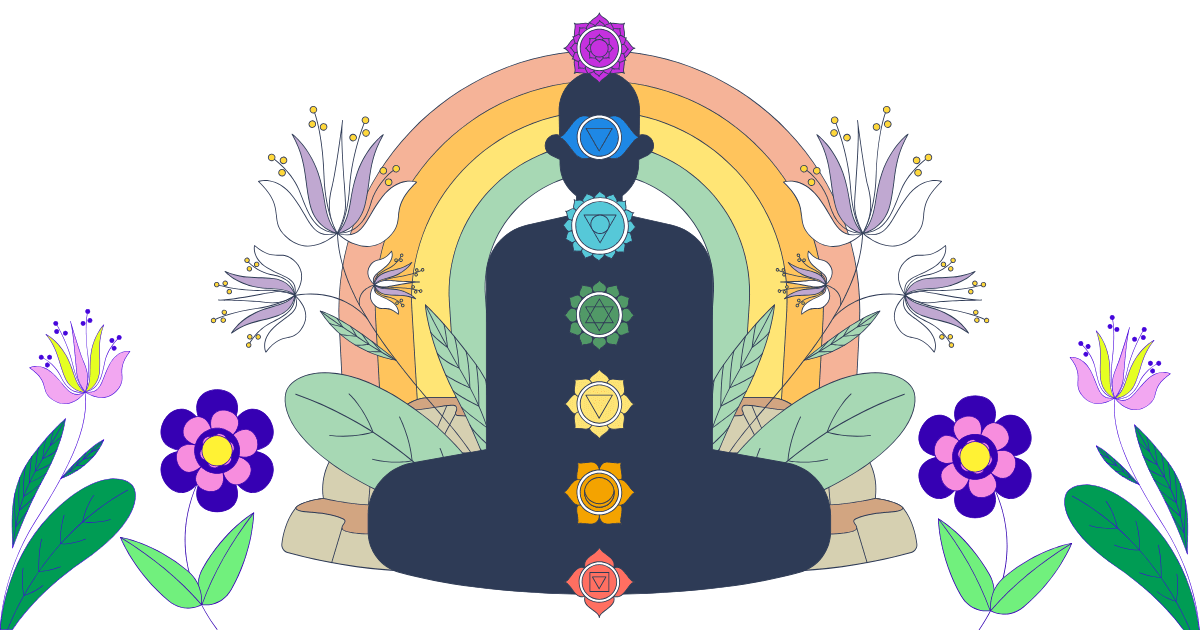
Discover How Yoga Poses Activate Your Chakras
Yoga postures, or asanas, aren’t just about physical flexibility—they are deliberately chosen for their ability to awaken and balance specific chakras. By combining movement, conscious breathing, and focused intention, these poses create a synergistic effect that helps activate your chakras for greater mind-body-spirit alignment.
For example, deep hip-openers like Bound Angle Pose target the sacral chakra to enhance creativity, while heart-opening postures nurture anahata, the heart center, to foster compassion and connection. Breathwork, or pranayama, channels prana through energetic pathways (nadis), supporting chakra balancing by calming the mind and energizing the body.
Scientific research is increasingly validating the links between yoga and subtle body health. Some studies suggest that regular yoga practice can influence the nervous and endocrine systems, potentially improving emotional stability and stress response—two markers of balanced chakras.
Chakra-focused yoga can also bring about physical benefits such as improved core strength, flexibility, and posture, as well as emotional shifts like reduced anxiety and greater happiness. Practitioners often notice changes in their attitudes, relationships, and sense of purpose when embracing a yoga sequence designed for chakra healing.
To explore more about the types of poses for chakras and how to activate your chakras with yoga, helpful guides are available to kickstart your holistic journey.

Activate the Root Chakra with Foundational Yoga Poses
The root chakra, known in Sanskrit as Muladhara, is located at the base of your spine near the tailbone. As the first chakra in the main chakra system, Muladhara governs feelings of safety, stability, and basic needs—think survival, grounding, and connection to the earth.
When the root chakra is balanced, you typically feel secure, present, and confident in your physical body. However, an unbalanced or blocked root chakra can show up as anxiety, restlessness, chronic fear, or even lower back and leg pain.
To help anchor and strengthen your Muladhara, foundational poses like Mountain Pose (Tadasana) and Tree Pose (Vrksasana) are highly effective.
1. Mountain Pose (Tadasana)
Mountain Pose may seem simple, but it is a fundamental standing posture that teaches alignment and mindfulness. It is often the starting point for many other yoga postures.
- Stand Tall: Begin by standing with feet together or slightly apart, about hip-width distance if that feels more stable. Distribute weight evenly across both feet. Feel the ground beneath you through all four corners of the feet (the big toe, little toe, inner heel, and outer heel).
- Align The Body: Engage legs by lifting the kneecaps slightly, activating your thighs. Tuck pelvis slightly to avoid arching the lower back.
- Relax the Upper Body: Roll shoulders back and down, away from the ears. Let arms hang naturally by your sides with palms facing forward or slightly toward the thighs.
- Lengthen the Spine: Imagine a string gently pulling the top of the head toward the sky, elongating the neck and spine. Keeping the chin parallel to the ground and soften the jaw.
- Focus On The Breath: Close your eyes (or keep a soft gaze) and take slow, deep breaths. Stay in Mountain Pose for 30 seconds to 1 minute, feeling grounded and aware of your posture.
2. Tree Pose (Vrksasana)
Tree Pose helps cultivate balance, concentration, and stability. It builds strength in the legs and improves focus.
- Start in Mountain Pose: Stand tall with the feet together, evenly distributing weight across both feet.
- Shift Weight: Slowly shift the weight onto the left foot, rooting it firmly into the ground. Engage the core to maintain stability.
- Lift Right Foot: Bend the right knee and bring the sole of the right foot to the left inner thigh, calf, or ankle—avoid pressing directly on the knee joint. If your foot slips, place it lower on the leg or rest it against the ankle with toes touching the floor for additional support.
- Find Balance: Press the foot against the standing leg and standing leg back into the foot, creating a sense of stability.
- Position Arms: Bring hands to prayer position at the heart (Anjali Mudra) or raise them overhead like tree branches. Keep your shoulders relaxed and away from the ears.
- Focus The Gaze: Fix the gaze on a stationary point in front of you (this is called Drishti) to help maintain balance.
- Breathe and Hold Pose: Take slow, deep breaths as you hold the pose for 20 to 30 seconds (or longer if comfortable). To release, slowly lower the right foot back to the ground and return to Mountain Pose.
- Repeat on the Other Side: Shift the weight to the right foot and repeat the steps on the left side.
Precautions are important:
- If your knees or ankles are delicate, always keep a micro-bend and avoid forcing the pose.
- Make adjustments to suit your body—comfort and safety come before depth or duration.
Integrate grounding affirmations into your practice, such as “I am safe and supported,” while focusing on slow, deep breaths in each posture. Combining mindful movement with breathwork and intention creates a strong foundation for root chakra healing.
Learn more about how the Muladhara chakra is balanced and supported through both yoga postures and meditative practices.

Energize the Sacral and Solar Plexus Chakras With Dynamic Poses
Sacral Chakra: Flow and Flexibility in Garland and Goddess Poses
The sacral chakra, or Svadhisthana, lies a few inches below the navel in the area of the pelvis. It sparks creativity, nurtures healthy relationships, and governs pleasure, sensuality, and fluid movement. When out of balance, people may feel emotionally rigid, uninspired, or experience issues with intimacy and pelvic health.
To nourish this energy center, postures that mobilize the hips and pelvis are key.
3. Garland Pose (Malasana)
Garland Pose is a deep squat that helps open the hips, stretch the ankles, and strengthen the lower back. It’s a great way to improve flexibility and mobility.
- Start Standing: Begin in Mountain Pose (Tadasana) with your feet about hip-width apart.
- Position Your Feet: Turn your toes slightly outward, creating a small angle (about 30 degrees). Keep your heels grounded—if your heels lift off, place a folded blanket or yoga block under them for support.
- Squat Down: Bend your knees and lower your hips toward the floor, coming into a deep squat. Keep your feet flat on the ground, with your knees pointing in the same direction as your toes.
- Engage Your Core: Bring your palms together in prayer position (Anjali Mudra) at your chest. Press your elbows against your inner thighs to help open the hips.
- Lengthen the Spine: Lift your chest and lengthen your spine. Avoid rounding your back—think of elongating the back of your neck and keeping your chin parallel to the floor.
- Breathe and Hold: Take slow, deep breaths, staying in the pose for 30 seconds to 1 minute, or as long as comfortable.
- To Release: Gently lift your hips and return to standing.
4. Goddess Pose (Utkata Konasana)
Goddess Pose is a powerful standing pose that builds strength in the lower body and opens the hips. It also encourages stability and focus.
- Begin in Mountain Pose (Tadasana): Stand with your feet about 3 to 4 feet apart, turning your toes outward at a 45-degree angle.
- Bend Your Knees: Lower your hips into a wide squat, keeping your knees bent and aligned over your ankles. Sink your hips low, but don’t let the knees collapse inward—keep them pointing in the same direction as your toes.
- Engage Your Core: Tuck your tailbone slightly and engage your core to avoid arching your lower back.
- Position Your Arms: Raise your arms to shoulder height with elbows bent at 90 degrees, palms facing forward (Cactus arms). Keep your shoulders relaxed, away from your ears.
- Maintain the Pose: Hold the pose for 20 to 30 seconds, breathing deeply. Engage the thighs and inner leg muscles to stay stable.
- To Release: Slowly straighten your legs and bring your feet together to return to Mountain Pose.
Always warm up hips before deep squats, and ease in gradually—if you have hip or knee issues, decrease the depth or sit gently on props. Affirm to yourself, “I embrace flow and creativity,” while breathing fluidly. A simple Hakini Mudra (touch fingertips together in a circle near your lower belly) can boost energy flow here.
Avoid letting knees collapse inward or forcing a deep squat if flexibility isn’t there, as this can strain hips and knees. With mindful practice, you’ll increase both flexibility and confidence in your sacral energy.
Find further guidance for supporting your sacral chakra with movement and intention.

Solar Plexus Chakra: How Yoga Poses Activate Your Chakras with Boat and Warrior III
The solar plexus chakra, known as Manipura, shines bright in the center of your abdomen between your navel and the bottom of your ribcage. This chakra governs personal power, self-esteem, motivation, and digestion. When Manipura is weak or blocked, you might notice low self-confidence, digestive troubles, or difficulty making decisions.
Dynamic, strengthening poses for the core can help.
5. Boat Pose (Paripurna Navasana)
Boat Pose is a seated posture that strengthens the core, hip flexors, and lower back. It also improves posture and balance.
- Start Seated: Sit on your mat with your legs extended in front of you and your back straight.
- Bend Your Knees: Place your feet flat on the mat and lean back slightly, keeping your back straight—do not round your spine. Engage your core to support your lower back.
- Lift Your Feet: Slowly lift your feet off the mat, bringing your shins parallel to the ground (like a tabletop). Keep your knees bent to make the pose easier.
- Raise Your Arms: Extend your arms forward at shoulder height, with palms facing each other. If this is too challenging, keep your hands behind your knees for support.
- Find Your Balance: Lengthen your spine and lift through your chest, keeping your gaze forward. Avoid collapsing your chest or rounding your shoulders.
- Breathe and Hold: Breathe deeply as you hold the pose for 15 to 30 seconds. Gradually work up to longer holds as you build strength.
- To Release: Lower your feet back to the mat and sit upright.
6. Warrior III (Virabhadrasana III)
Warrior III is a standing pose that enhances balance, stability, and leg strength. It requires focus and concentration, making it a great mental and physical challenge.
- Start in Warrior I (Optional): Begin by standing in Mountain Pose (Tadasana). Step your right foot back about 3-4 feet into Warrior I with your front knee bent and arms overhead.
- Shift Your Weight: Straighten your front leg (left leg) and shift your weight onto it as you lean forward. Lift your right leg off the ground behind you.
- Extend the Arms and Torso: As your right leg lifts, extend your arms forward in line with your ears, keeping your torso parallel to the floor. Alternatively, keep your hands at your heart center in prayer position for better balance.
- Align Your Body: Keep your hips level and your lifted foot flexed with toes pointing down. Your body should form a straight line from your hands to your lifted foot.
- Find Your Balance: Gaze at a stationary point (Drishti) to help maintain focus. Engage your core and standing leg to stay steady.
- Breathe and Hold: Take slow, steady breaths as you hold the pose for 10 to 20 seconds.
- To Release: Slowly lower your lifted leg and return to standing. Now repeat on the other side.
Common mistakes include collapsing the chest in Boat Pose or over-arching the lower back in Warrior III. Protect your back by lengthening the spine in every pose, and stop if you feel any pinching or fatigue.
Enhance Manipura activation with mudras—try joining the tips of your thumb and ring finger together (Surya Mudra)—and regular, strong exhalations through the mouth.
Explore deeper solar plexus chakra healing techniques and strategies for building inner power through mindful yoga.

Open the Heart and Throat Chakras for Emotional Flow
Heart Chakra (Anahata): Camel Pose and Extended Puppy Pose
The heart chakra, or Anahata, is the fourth chakra situated at the center of your chest. It represents love, compassion, and emotional openness—qualities essential to a balanced and fulfilling life.
When the heart chakra is blocked, you might experience feelings of isolation, difficulty trusting others, or a general lack of joy and connection. Activating this energy center helps you cultivate empathy, healthy relationships, and the capacity for self-acceptance.
Two excellent yoga poses for opening the heart chakra are Camel Pose (Ustrasana) and Extended Puppy Pose (Uttana Shishosana).
7. Camel Pose (Ustrasana)
Camel Pose is a backbend that stretches the front of the body, including the chest, abdomen, and thighs, while strengthening the back and improving posture.
- Begin in a Kneeling Position: Kneel on mat with knees hip-width apart. Keep thighs perpendicular to the ground, with your hips stacked over the knees.
- Place Hands on Your Lower Back: Place hands on your lower back or hips, with fingers pointing down. Gently press the tailbone forward to engage your glutes and avoid compressing the lower back.
- Lift Chest: Inhale deeply and lift your chest toward the ceiling, opening through the heart center. Roll shoulders back and down.
- Lean Back Gently: As you exhale, lean back slightly while keeping hips directly over your knees. Keep the head in line with the spine or gently drop it back, depending on what feels most comfortable.
- Option to Reach for Heels: If comfortable, reach hands back to hold your heels. If not, keep the hands on the lower back. Avoid forcing the movement—flexibility will increase over time.
- Breathe and Hold the Pose: Take slow, steady breaths and hold the pose for 20 to 30 seconds. Keep the core engaged to protect the lower back.
- To Release: Inhale and slowly bring hands back to the lower back. Exhale as you return to a kneeling position.
8. Extended Puppy Pose (Uttana Shishosana)
Extended Puppy Pose is a gentle backbend that opens the chest, stretches the spine, shoulders, and upper back, and promotes relaxation.
- Start on All Fours (Tabletop Position): Begin in Tabletop Pose with wrists under your shoulders and knees under your hips.
- Walk Hands Forward: Slowly walk your hands forward as you lower your chest toward the mat. Keep the hips directly over your knees.
- Lower Forehead or Chin: Rest forehead on the mat for a gentler stretch, or bring the chin to the mat to deepen the backbend.
- Relax Chest and Shoulders: Allow chest to melt toward the floor, stretching the shoulders and upper back. Keep your arms extended and active, with palms pressing lightly into the mat.
- Engage Breath: Take slow, deep breaths as you feel the stretch through the upper body. Hold the pose for 30 seconds to 1 minute.
- To Release: Walk hands back toward the body, returning to Tabletop Pose.
As you hold these postures, focus on deep, steady breaths that expand your chest—inhale slowly, filling up the heart space, and exhale fully. These breath patterns enhance activation of the Anahata chakra and promote a sense of inner peace.
Always move slowly and protect your lower back by activating your core muscles, especially in Camel Pose. If you have knee discomfort, place a folded blanket under your knees. For an extra sense of openness, affirm “My heart chakra is open and balanced” as you breathe.

Throat Chakra (Vishuddha): Fish Pose and Supported Shoulder Stand
The throat chakra, or Vishuddha, is located at the base of your throat and governs expression, communication, and authenticity. Blockages in this energy center often manifest as trouble voicing your needs, fear of speaking up, or difficulty listening.
Both Fish Pose and Shoulder Stand are excellent for improving flexibility, circulation, and relaxation. Fish Pose opens the chest and throat, while Shoulder Stand promotes blood flow to the brain, making these yoga poses a rejuvenating inversion and alignment experience for Vishuddha.
9. Fish Pose (Matsyasana)
Fish Pose is a gentle backbend that stretches the chest, throat, and shoulders. It is especially beneficial after practicing shoulder or core-heavy exercises to release tension.
- Start On Back: Lie down on the mat with legs extended and arms by sides.
- Position Hands: Slide hands under hips, palms facing down, and keep elbows close to the body.
- Lift Chest: Press elbows and forearms into the mat as you lift the upper back and chest. Keep the lower back on the ground and engage the core.
- Drop Head Back: Gently tilt head back so the crown of the head touches the mat. Ensure there is no strain on the neck.
- Relax Legs: Keep your legs active and straight, pressing through the heels, or modify by keeping knees bent and feet flat on the mat.
- Breathe and Hold the Pose: Take slow, deep breaths and hold the pose for 20 to 30 seconds. Focus on keeping the chest lifted and shoulders relaxed.
- To Release: Press elbows into the mat, tuck the chin toward your chest, and slowly lower the back to the ground. Remove your hands from under your hips and relax.
10. Shoulder Stand (Salamba Sarvangasana)
Shoulder Stand is an inversion that strengthens the upper body and improves circulation. This pose requires careful alignment to avoid strain, so it’s essential to start slowly and use props if needed.
- Start On Back: Lie on your mat with legs extended and arms by your sides.
- Lift Legs and Hips: Inhale and lift your legs to 90 degrees, bringing them perpendicular to the mat. Exhale as you press the hands into the mat and lift the hips off the ground, bringing legs overhead.
- Support Back: Bend elbows and place hands on your lower back for support, with fingers pointing upward. Keep elbows shoulder-width apart.
- Straighten Legs: Once stable, straighten the legs toward the ceiling, keeping the body in a straight line from shoulders to toes.
- Engage Core: Keep the core engaged and avoid collapsing your neck. Your weight should rest on the shoulders, not the neck or head.
- Breathe and Hold: Take deep breaths and hold the pose for 30 seconds to 1 minute (or less if you’re just starting). Keep your gaze toward the chest or navel to avoid neck strain.
- To Release: Slowly lower the legs overhead, then gradually roll down your spine, one vertebra at a time, until the back is flat on the mat. Rest in Corpse Pose (Savasana) for a few breaths.
Breathwork is especially effective here. Try a gentle Ujjayi breath to create a subtle sound in your throat, encouraging energetic flow. For deeper chakra balancing, integrate vocal techniques like humming, mantra chanting, or simply repeating the affirmation “I speak my truth freely.” If you’re new to these poses or have neck sensitivity, use extra props and practice with mindfulness.
Remember, nurturing a healthy throat chakra means giving yourself permission to be truthful and to listen deeply—qualities that your throat chakra fosters for open and honest communication.

Awaken the Third Eye and Crown Chakras With Meditative Yoga
Third Eye Chakra (Ajna): Child’s Pose and Easy Pose
The third eye chakra, or Ajna, is located between your eyebrows and is closely tied to intuition, insight, and inner wisdom. A balanced Ajna chakra enhances your ability to see clearly, connect with your inner guidance, and trust your instincts.
Both Child’s Pose and Easy Pose offer deep relaxation and mindfulness, making them ideal yoga poses to activate your chakras energy. Child’s Pose is a calming posture that gently stretches the back and hips, while Easy Pose promotes comfortable seated meditation and mindful breathing.
11. Child’s Pose (Balasana)
Child’s Pose is a restorative pose that promotes relaxation and stretches the spine, hips, and thighs. It is often used as a resting posture between challenging poses or at the beginning or end of a yoga practice.
- Begin on Hands and Knees: Start in Tabletop Pose with your hands under your shoulders and knees under your hips.
- Bring Big Toes Together: Bring the big toes to touch and knees wide apart, about mat-width distance (or keep them together for a more supported variation).
- Sit Back On Heels: Exhale and gently lower the hips toward your heels. If the hips don’t reach the heels, that’s okay—just go as far as feels comfortable.
- Lower The Chest: Extend arms forward and rest forehead on the mat. Keep the arms active or allow them to relax alongside the body with palms facing up.
- Breathe Deeply: Take slow, deep breaths, feeling the back expand with each inhale. Stay here for 30 seconds to several minutes, or as long as it feels restful.
- To Release: Slowly walk the hands back toward the body, returning to Tabletop Pose.
12. Easy Pose (Sukhasana)
Easy Pose is a comfortable seated posture that promotes relaxation, focus, and meditation. It helps stretch the hips and lower back and encourages good posture.
- Sit On Mat: Begin seated with the legs extended in front of you.
- Cross Legs: Cross your shins so that each foot rests under the opposite knee. Let knees drop comfortably toward the ground. If they don’t reach, that’s okay—use props for support.
- Align Spine: Sit up tall, lifting your spine and lengthening through the crown of the head. Avoid rounding your back—imagine a string pulling you upward from the top of the head.
- Position Hands: Rest hands on your knees or thighs, palms facing up or down. You can also use Gyan Mudra (touching the thumb and index finger together).
- Relax Shoulders: Roll the shoulders back and down, away from the ears. Keep your chest open and your jaw relaxed.
- Focus on Your Breath: Close your eyes (if comfortable) and take slow, deep breaths. Stay in the pose for 1 to 5 minutes (or longer for meditation).
- To Release: Gently uncross your legs and stretch them out in front of you.
For a meditative boost, visualize a deep indigo or violet light radiating from your third eye as you breathe deeply. You might silently repeat the affirmation, “I trust the energy of my third eye chakra and my inner knowing.” If you feel tension in your knees or hips, sit on a folded blanket or meditation cushion.

Crown Chakra (Sahasrara): Lotus Pose and Corpse Pose
The crown chakra, or Sahasrara, sits at the very top of your head and is regarded as the gateway to spiritual connection and higher states of consciousness. A balanced crown chakra fosters transcendence, unity, and deep peace, connecting your spirit to universal wisdom.
Lotus Pose and Corpse Pose are essential in yoga practice. Lotus Pose (Padmasana) helps improve focus and meditation by encouraging stillness, while Corpse Pose (Savasana) promotes deep relaxation and restoration, so are perfect crown yoga poses to activate your chakras energy.
13. Lotus Pose (Padmasana)
Lotus Pose is a classic seated posture for meditation and breathwork. It opens the hips, stretches the knees, and promotes calm focus. However, it requires flexibility, so beginners should approach it with patience and use modifications if needed.
- Start Seated: Sit on your mat with your legs extended in front of you.
- Bend One Knee: Bend your right knee and bring your right foot toward your left thigh. Place the sole of your right foot facing upward on the upper left thigh, close to the hip crease.
- Bend the Other Knee: Now, bend your left knee and bring your left foot onto your right thigh. Both feet should rest on opposite thighs with the soles facing upward.
- Align Your Spine: Sit up tall, lengthening through the spine, with your shoulders relaxed away from your ears. Keep your chest open and gaze softly forward or close your eyes.
- Rest Your Hands: Place your hands on your knees or thighs, palms facing up. Use Gyan Mudra by touching the thumb and index finger together.
- Breathe Deeply: Take slow, steady breaths, maintaining focus and stillness in the posture. Hold for 1 to 5 minutes, gradually increasing time as you grow more comfortable.
- To Release: Gently uncross your legs and stretch them forward. Switch the leg crossing next time to maintain balance.
14. Corpse Pose (Savasana)
Corpse Pose is a restorative posture that allows the body and mind to relax completely. It is typically practiced at the end of a yoga session for relaxation and integration.
- Lie on Back: Lie flat on your mat with your legs extended and arms resting by your sides.
- Position Body Comfortably: Allow the legs to fall open naturally, with your feet pointing outward. Keep your arms slightly away from your body, palms facing upward.
- Adjust for Comfort: Ensure your neck is in a neutral position—use a folded blanket under your head if needed. Relax your shoulders away from your ears and release any tension in the jaw.
- Breathe and Relax: Close your eyes and take slow, deep breaths. With each exhale, allow the body to release tension. Mentally scan the body from head to toe, releasing any remaining tightness or stress.
- Stay in the Pose: Rest in Savasana for 5 to 10 minutes, or longer if desired, focusing on the breath and the sensation of relaxation.
- To Release: Gently wiggle your fingers and toes to awaken your body. Roll to one side into a fetal position before slowly coming to a seated posture.
Pair meditative visualization with breath awareness for profound stillness. When practicing these poses, listen to your physical body and use props to ensure comfort. A balanced crown chakra invites a deep sense of meaning, peace, and spiritual fulfillment—qualities that blossom through mindful, meditative yoga.
Build a Customized Yoga Sequence to Balance All Chakras
Creating your own yoga sequence for the seven chakras empowers you to experience every energy center, from root to crown, in a single practice. Begin your session by grounding into the present moment with a posture like Mountain Pose (Tadasana). This sets a stable foundation, awakening your muladhara (root chakra) and promoting a sense of safety and connection to the earth.
Work upwards sequentially, flowing through asanas that target each chakra:
- Root chakra: Mountain Pose or Tree Pose for grounding and stability.
- Sacral chakra: Garland Pose or Goddess Pose to open the hips and spark creativity.
- Solar plexus chakra: Boat Pose or Warrior III for core strength and personal power.
- Heart chakra: Camel Pose or Extended Puppy Pose to enhance compassion and openness.
- Throat chakra: Fish Pose or Shoulder Stand for clear communication.
- Third eye chakra: Easy Pose or Child’s Pose to encourage inner vision and intuition.
- Crown chakra: Lotus Pose or Corpse Pose, inviting a deep sense of peace and unity.
Intersperse breathwork, such as deep belly breathing or alternate nostril breathing, between postures to support energy flow and balance. Transitioning mindfully between poses—slowly, matching your movement to your breath—helps you remain present and attuned to your body’s needs.
To further activate each energy center, incorporate simple mudras (like Anjali Mudra for the heart), chakra-specific affirmations (“I am safe” for the root, “I express my truth” for the throat), or short visualizations. If practicing daily, shorten the sequence by holding each posture for a few breaths and skip transitions that feel unnecessary for your body. On days when you have more time, deepen your experience with meditation or extended holds.
Individual needs can shape your routine: If you notice an imbalance in a specific chakra—maybe feeling stuck, disconnected, or anxious—add extra attention to poses and practices for that area. You can find more guidance on building harmony to the chakras and tailoring routines to your own energetic needs.
Practice Chakra Yoga Safely: Precautions, Tips, and Common Mistakes
Chakra yoga offers profound benefits for body, mind, and spirit, but practicing safely is essential to protect your physical well-being. Listen closely to your body’s signals, especially when exploring new or challenging yoga postures for chakra balancing.
General safety tips include warming up with gentle movement, never forcing your body into discomfort, and using props like pillows or blocks for support during poses such as Garland Pose or Camel Pose. If you experience neck issues, avoid inversion poses like Shoulder Stand or Fish Pose—instead, opt for gentler alternatives such as Supported Bridge Pose.
Common mistakes in chakra-focused yoga include:
- Rushing transitions between poses, which can disrupt energetic flow and lead to strain.
- Overextending in backbends for the heart chakra, risking lower back injury.
- Ignoring core activation during solar plexus poses, reducing their effectiveness and potential for imbalance.
- Holding your breath or moving without intention, which may stall the flow of prana (life force energy).
To prevent these errors, prioritize alignment, use slow, controlled movement, and stay present with your breath. If you have specific health concerns or conditions, it’s wise to consult a qualified yoga teacher or healthcare provider before beginning a new practice, especially if you’re new to yoga or working with injuries.
For those eager to deepen their understanding and approach, authoritative guides and resources—such as books on yogic philosophy, trusted online yoga platforms, or certified instructors—can offer safe guidance. And to discover more excellent yoga poses and chakra balancing tools, explore reputable wellness websites or visit a local yoga studio for personalized support.
Conclusion
Exploring how to activate your chakras opens the door to greater physical wellbeing, emotional balance, and spiritual growth. By thoughtfully combining breath, movement, and intention, you can address blockages in all seven chakras and nurture each area of your mind and body.
With safety, self-awareness, and a customized approach, your yoga practice becomes a powerful tool for holistic healing. Begin integrating chakra-focused poses, breathwork, and affirmations into your routine to promote inner harmony and vitality.
Remember, every step on this journey deepens your self-connection. Commit to exploring yoga for chakra balancing—your body and spirit will thank you.