- Understand Arthritis and Pain Triggers
- Discover How Essential Oils Provide Arthritis Relief
- Choose the Right Types Of Essential Oils for Arthritis Pain Relief
- Mechanisms of Action Blending!
- Apply Essential Oils Safely and Effectively
- Safe Usage Guidelines, Contraindications, and Side Effects
- Select and Store Quality Arthritis Relief Essential Oils
- Review the Research Supporting Essential Oils for Arthritis Relief
- Conclusion
- FAQ
If you live with arthritis, you know the ache that seems to settle deep in your joints, slowing down even the most ordinary moments. Medications and treatments help, but what if there was a natural way to ease that discomfort—one used for centuries and now backed by modern science?
Essential oils are gaining attention for their ability to soothe inflammation, reduce pain, and support joint health in people with osteoarthritis and rheumatoid arthritis. But not all oils are created equal, and knowing how to use them safely can make all the difference.
Curious how aromatherapy can fit seamlessly into your daily routine? Keep reading—you’ll discover the most effective arthritis relief essential oils, how they actually work, and practical tips to harness their benefits for real, lasting relief.
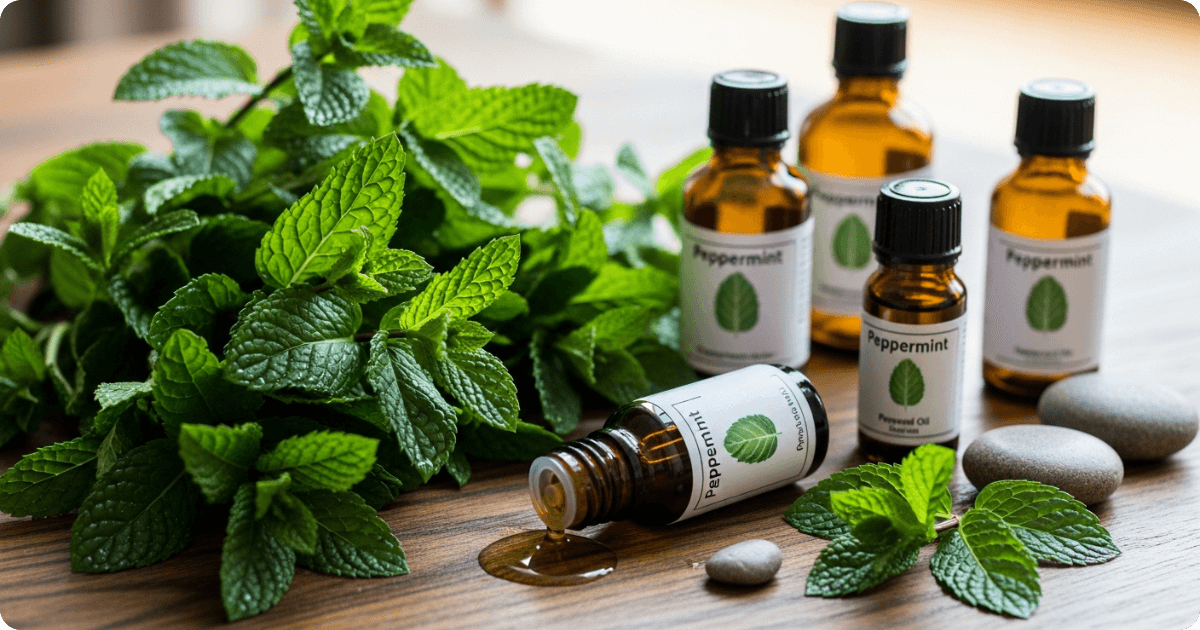
Understand Arthritis and Pain Triggers
Arthritis is not a single condition but an umbrella term for over a hundred different diseases that affect the joints, causing pain, swelling, and reduced mobility. Two of the most common forms are osteoarthritis and rheumatoid arthritis.
Osteoarthritis, often referred to as the “wear-and-tear” arthritis, usually develops gradually over many years. It occurs when the protective cartilage that cushions the ends of bones breaks down, leading to pain, stiffness, and sometimes swelling in the affected joints, most commonly the knees, hips, and hands.
Rheumatoid arthritis, by contrast, is an autoimmune disease in which the body’s immune system mistakenly attacks healthy joint tissue. This leads to inflammation, thickening of the joint lining, and often more widespread symptoms like fatigue or fever in addition to joint pain and swelling.
Both forms of arthritis share common symptoms—persistent joint pain, stiffness especially after periods of rest, swelling, and decreased range of motion. Underlying all of these symptoms is inflammation, the body’s natural protective response that, when chronic, actually damages joint tissues. Over time, this ongoing inflammation causes not just pain but also structural joint changes and loss of function.
Chronic pain from arthritis can have far-reaching effects on your day-to-day life. Even simple activities such as walking, gripping objects, or getting out of bed may become challenging. Fatigue and frustration are frequent companions of chronic joint pain, affecting sleep, mood, and overall quality of life.
Recognizing these triggers and their effects is the first step towards better managing arthritis and its impact on your mobility and independence.
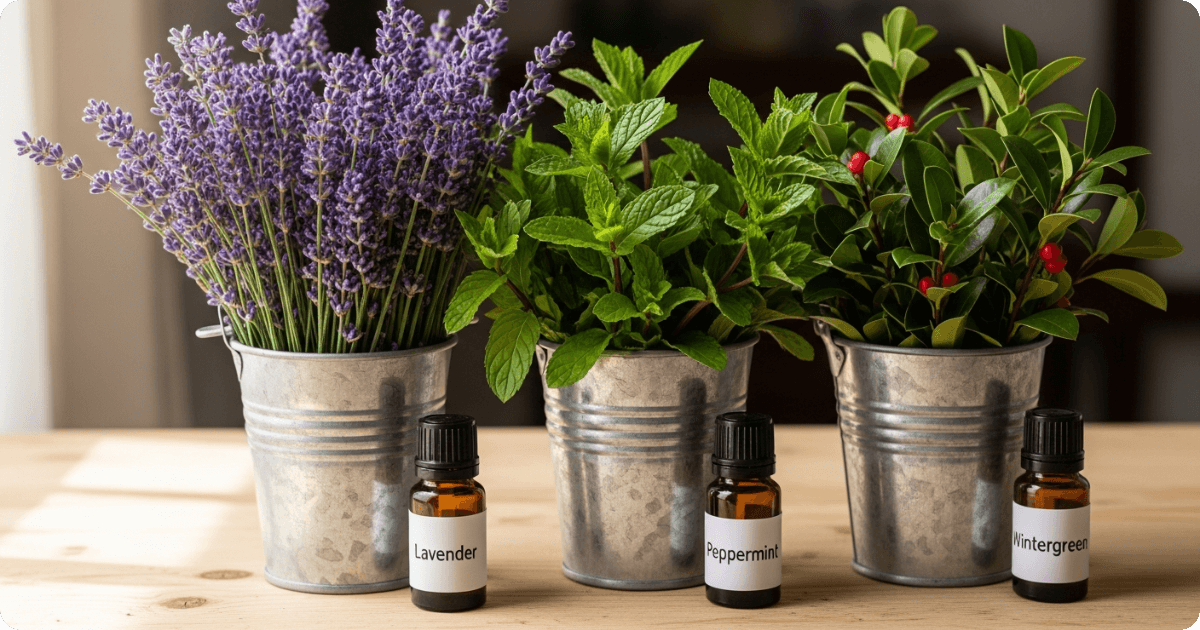
Discover How Essential Oils Provide Arthritis Relief
Essential oils have been used in holistic health for centuries, and recent studies are shedding light on their effectiveness in easing arthritis pain by targeting underlying inflammation and pain pathways. These natural extracts contain potent compounds that interact with the body’s biochemical processes, offering unique support for arthritis sufferers.
The science behind essential oils involves several mechanisms. They are known to modulate inflammation by reducing levels of pro-inflammatory cytokines—molecules that signal and worsen swelling in the joints. Some oils, like frankincense and turmeric, can directly inhibit enzymes linked to chronic inflammation, while others, such as peppermint and eucalyptus, block pain signals in the nervous system by affecting certain neurotransmitters.
Compared to conventional treatments like NSAIDs or pain-relief creams, essential oils present an alternative with fewer systemic side effects. While they may not entirely replace prescribed medications for severe symptoms, many people find that integrating aromatherapy into their routine brings additional relief. Several human studies and systematic reviews have found that essential oils—used as part of aromatherapy, massages, or baths—can reduce pain intensity, improve mood, and enhance sleep quality in arthritis patients.
For example, a placebo-controlled trial showed that massaging sore joints with a blend containing lavender and marjoram oil reduced knee pain by up to 30% over four weeks. Review articles also highlight that inhaling certain scents can induce relaxation and lower the perception of pain, making daily discomfort more manageable.
It’s important to consider that while research is ongoing, the current evidence supports the use of essential oils as a complementary tool for arthritis management—not a cure, but a beneficial addition to your self-care routine.

Choose the Right Types Of Essential Oils for Arthritis Pain Relief
When it comes to arthritis pain relief, selecting the appropriate essential oils is crucial to achieving the best results. Peppermint oil, for instance, is celebrated for its cooling sensation and analgesic effects that help soothe sore joints. Human studies suggest that Peppermint oil has pain-relieving properties, providing a natural option for those seeking arthritis symptom relief.
Lavender oil stands out for its calming aroma and ability to suppress inflammatory responses, which is particularly beneficial for people experiencing chronic joint pain. Meanwhile, rosemary oil is known for boosting circulation and reducing joint swelling, making it effective in managing both osteoarthritis and rheumatoid arthritis.
Marjoram oil offers muscle-relaxing and antispasmodic benefits, which can alleviate joint stiffness and improve mobility. Eucalyptus oil, with its invigorating scent, is recognized for reducing inflammation and supporting the body’s antiarthritic activity—an effect that many osteoarthritis patients find particularly useful.
Frankincense and myrrh oils are traditional remedies for arthritis, with studies indicating that their anti-inflammatory and antioxidant properties may protect against cartilage damage and joint discomfort. Turmeric and ginger essential oils harness their roots’ renowned anti-inflammatory compounds—curcumin and gingerol—helping to ease pain and reduce swelling in affected joints.
For a clear comparison, the following table highlights which essential oils are best suited for each major arthritis type:
| Essential Oil | Osteoarthritis Benefits | Rheumatoid Arthritis Benefits | Unique Properties |
|---|---|---|---|
| Peppermint | ✓ pain relief | ✓ pain relief | Cooling, anti-inflammatory |
| Lavender | ✓ relaxes muscles | ✓ reduces inflammation | Calming, anti-anxiety |
| Rosemary | ✓ eases stiffness | ✓ boosts circulation | Stimulates blood flow |
| Marjoram | ✓ muscle relaxation | ✓ joint mobility | Antispasmodic, analgesic |
| Eucalyptus | ✓ relieves swelling | ✓ soothes inflammation | Clearing scent, pain relief |
| Frankincense | ✓ supports cartilage health | ✓ regulates immune response | Anti-inflammatory, antioxidant |
| Myrrh | ✓ reduces pain | ✓ healing of tissues | Antioxidant, wound-healing |
| Turmeric | ✓ combats inflammation | ✓ inhibits inflammatory signals | Rich in curcumin |
| Ginger | ✓ improves joint movement | ✓ reduces swelling | Warming sensation, gingerol content |
For more about the amazing properties of peppermint oil, including its ability to relieve joint pain and invigorating effect, trusted resources provide detailed breakdowns.
Each oil has its own mechanism, whether it works as an anti-inflammatory agent, boosts circulation, or delivers a gentle warming effect, like ginger. Understanding these individual benefits can help you choose the essential oil or blend that best suits your type of arthritis and your symptom profile.

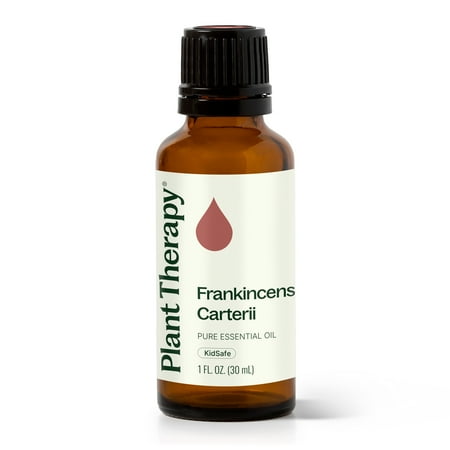
1. Frankincense for Pain Management
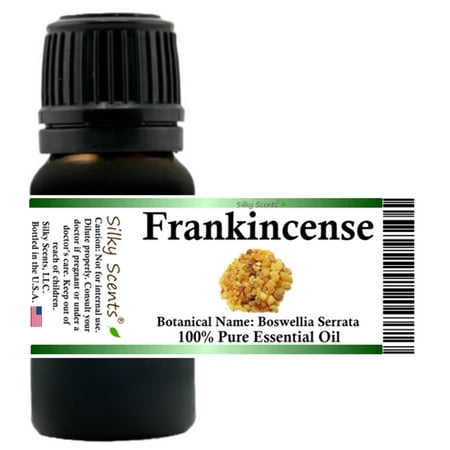
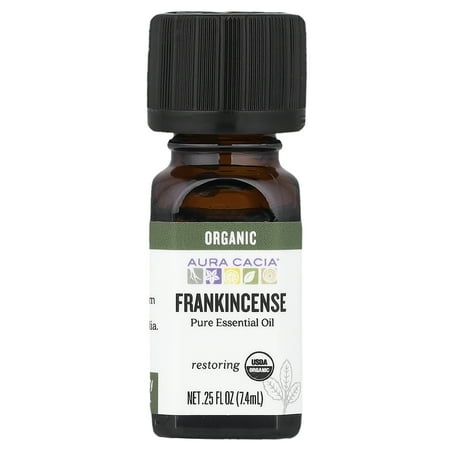
For thousands of years, traditional healers have used frankincense, or Boswellia essential oil, to address many conditions, including chronic pain and inflammation. The Arthritis Foundation notes that acids in frankincense possess anti-inflammatory and pain-relieving effects. They may also help dampen autoimmune reactions and protect cartilage from damage. Frankincense can be inhaled or applied to the skin; however, always dilute essential oils in a carrier oil before topical use.
Frankincense oil can block the production of certain inflammatory molecules linked to conditions like arthritis and may help prevent cartilage breakdown. Studies have shown it can significantly lower inflammation, making it a natural option for easing pain in muscles, joints, and tendons.
Research specifically on the effects of frankincense oil (from Boswellia species) for arthritis in humans is limited. Still, the resin of Boswellia serrata has been investigated for its anti-inflammatory qualities, which helps reduce arthritis symptoms. One review found that Boswellia serrata extracts may curb inflammation by inhibiting 5-lipoxygenase and stopping leukotriene release, producing an anti-inflammatory effect in conditions such as rheumatism.

2. Ginger and Its Benefits
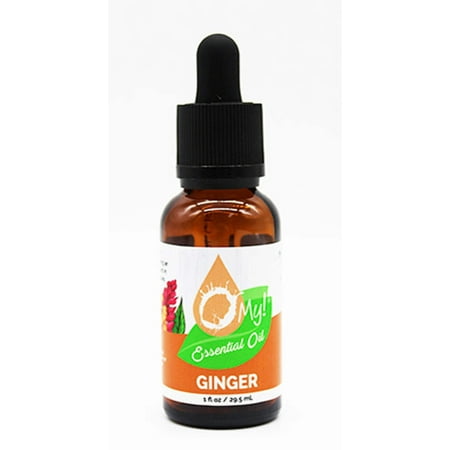
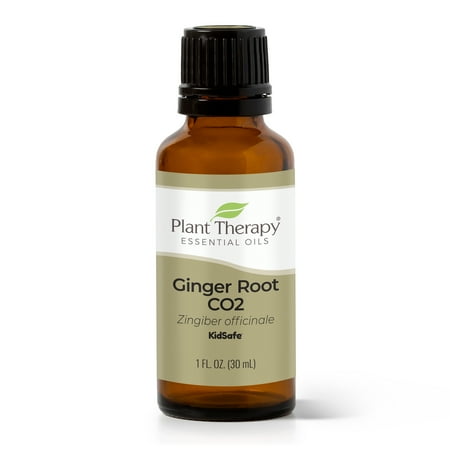
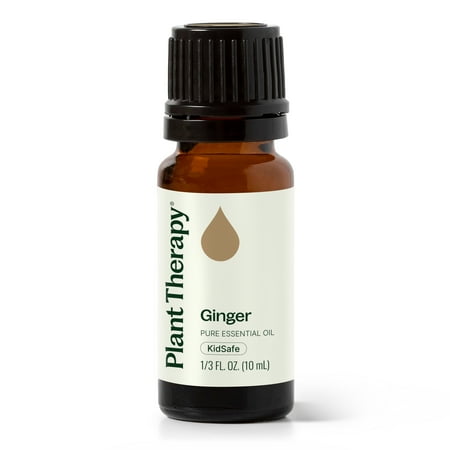
Thanks to a compound called gingerol, this herb has strong anti-inflammatory properties. In fact, when researchers compared ginger to ibuprofen, they found similar anti-inflammatory effects. That’s reasonable because both inhibit COX-2, the enzyme that produces substances that drive inflammation and pain.
Ginger has been shown to relieve pain in numerous studies. In one trial involving people with knee osteoarthritis, 95% of participants treated with ginger reported less pain. In another study of chronic knee pain, massage with ginger oil was compared with massage alone and with usual treatment. After one week, knee pain and stiffness were similar across the groups. By the four-week follow-up, however, the aromatherapy group reported decreased knee pain and improved physical function compared with the control groups.
3. Peppermint’s Cooling Effect
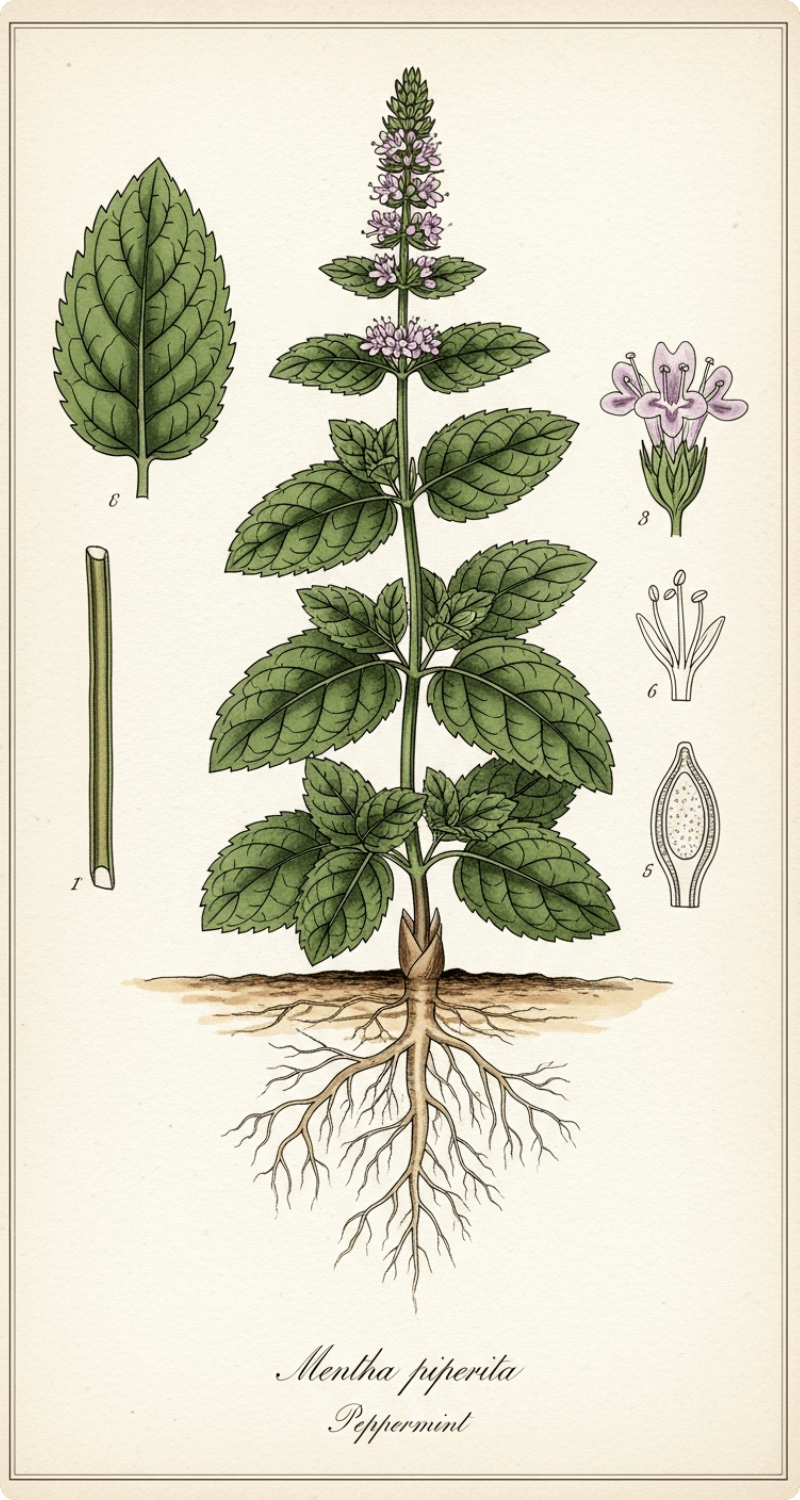
Peppermint oil contains menthol, which can produce a cooling sensation and offer short-term pain relief. Research specifically examining peppermint oil (Mentha piperita) for relieving arthritis symptoms in people is limited.
One study looked at the impact of aromatherapy on pain, depression, and life satisfaction in arthritis patients using a blend of essential oils that included peppermint. The blend consisted of lavender, marjoram, eucalyptus, rosemary, and peppermint in a 2:1:2:1:1 ratio. That study reported that aromatherapy significantly reduced both pain and depression in the treatment group compared with the control group.
While these results suggest potential benefits from aromatherapy with a mixture that includes peppermint, they do not isolate peppermint’s individual effects.

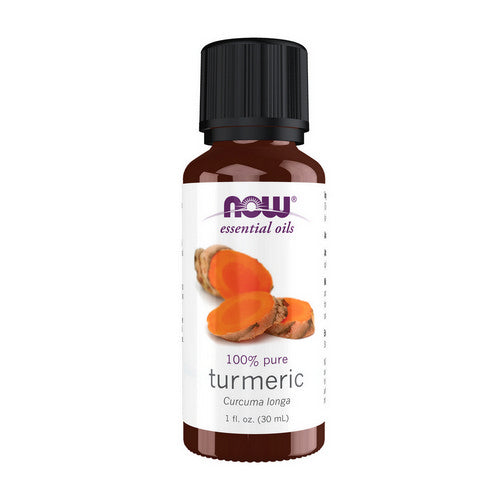
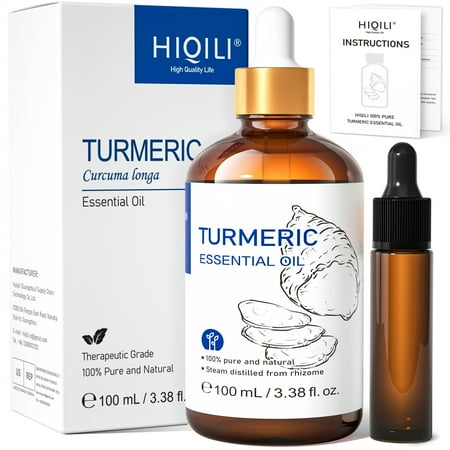
4. Turmeric’s Anti-Inflammatory Properties
Turmeric is an herb with healing properties. As an essential oil, turmeric can help reduce inflammation, boost blood circulation, and aid digestion. For rheumatoid arthritis, you can apply turmeric oil directly to the painful area or diffuse the essential oil into the air.
Research has also shown that the curcumin found in turmeric has anti-inflammatory effects that can help relieve arthritis symptoms. A meta-analysis of controlled trials reported that curcumin supplements reduced pain and improved function in people with osteoarthritis, with effectiveness similar to NSAIDs but a better safety profile.
Likewise, a systematic review and meta-analysis found that curcumin and Curcuma longa extract are safe and effective at reducing symptoms and inflammation across different forms of arthritis, including rheumatoid arthritis and osteoarthritis.

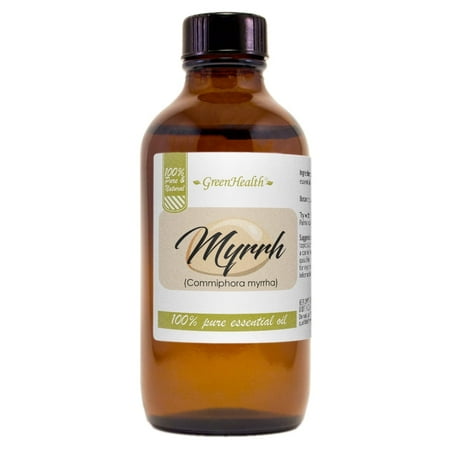
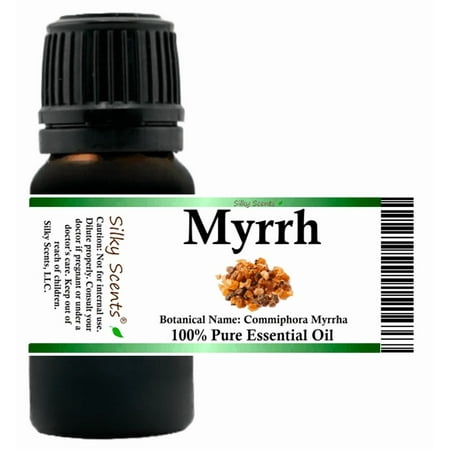
5. Myrrh Essential Oil
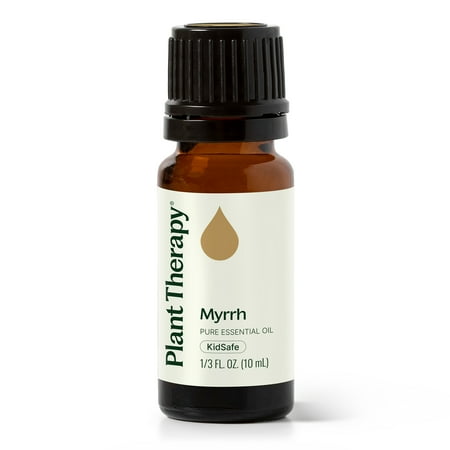
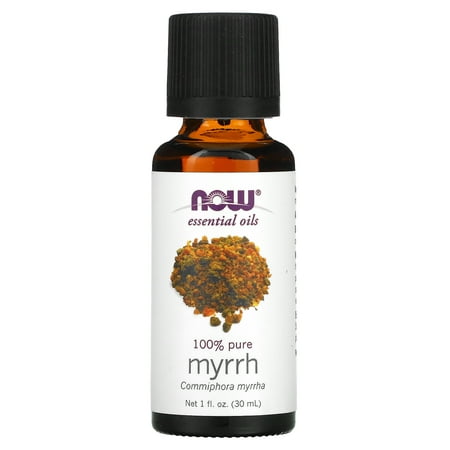
Myrrh oil also possesses anti-inflammatory effects and is frequently used alongside other essential oils for arthritis. An animal study in Scientific Reports found that frankincense and myrrh are highly effective against inflammatory conditions, particularly when combined. The research showed that frankincense and myrrh, especially together, help reduce inflammation and lessen the severity of joint inflammation.
Results indicated that rats treated with either individual extracts of frankincense or myrrh, as well as the combined extracts, differed significantly from the arthritis control group. Human research on myrrh oil (Commiphora myrrha) for arthritis symptoms is limited. However, one study examined the effectiveness of a myrrh and frankincense extract combination in people with knee osteoarthritis.
In that randomized, double-blind, placebo-controlled trial, the herbal blend significantly decreased pain and improved physical function versus placebo. The authors concluded that combining myrrh and frankincense extracts may be a useful treatment for knee osteoarthritis.
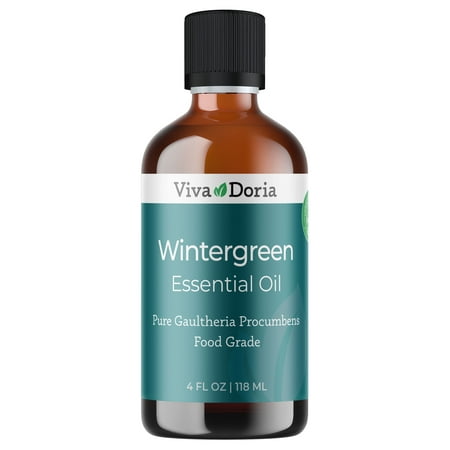
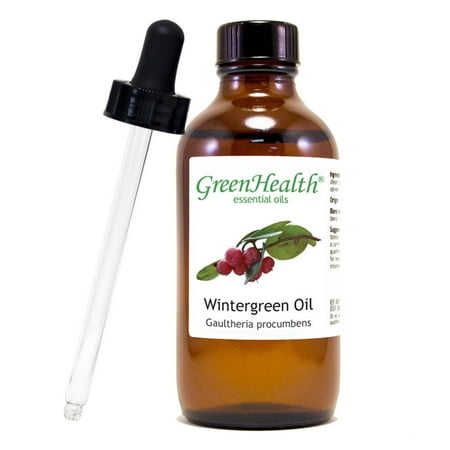
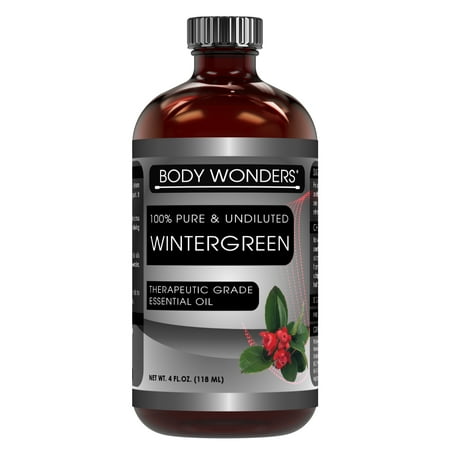
6. Wintergreen
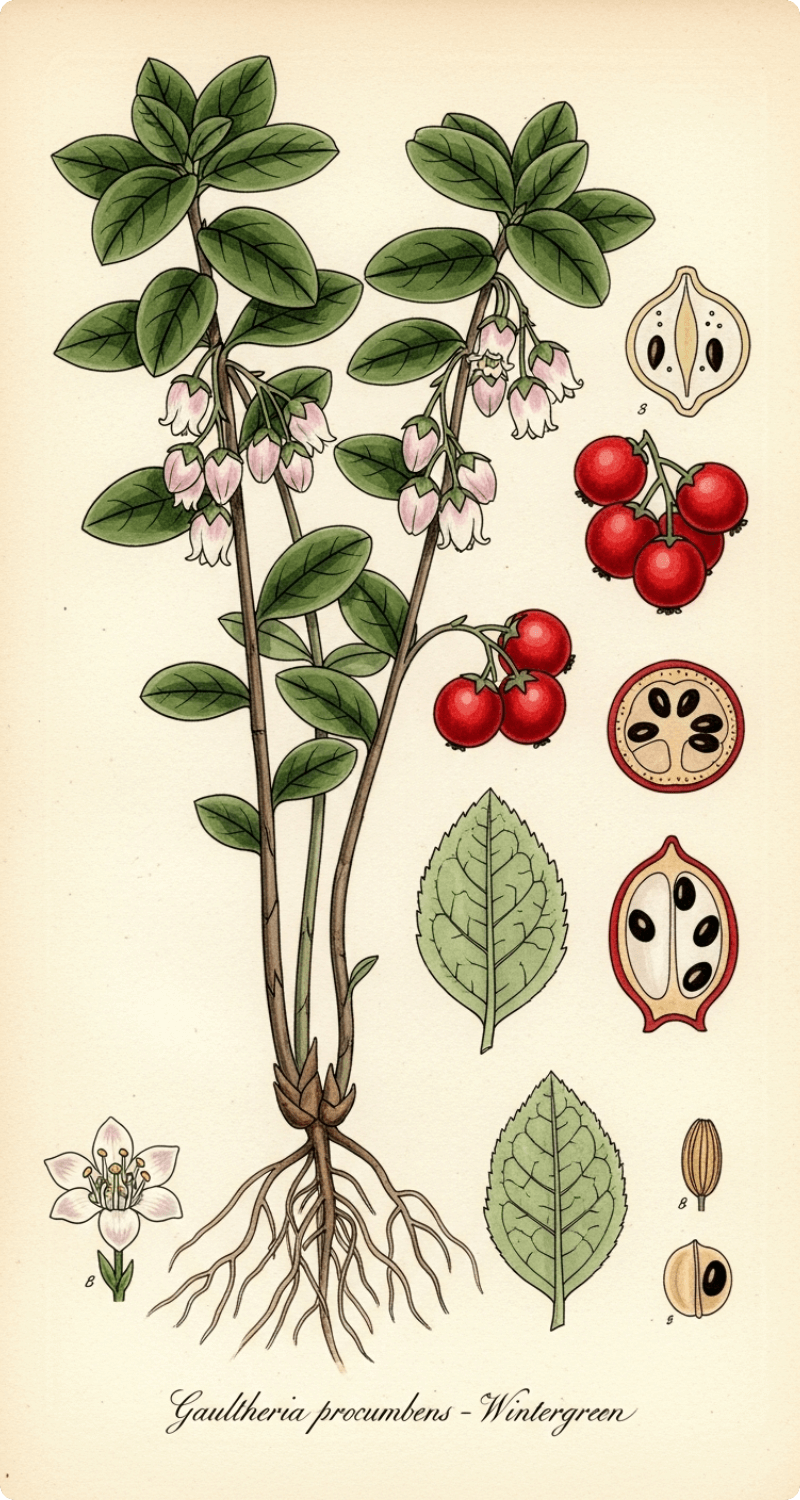
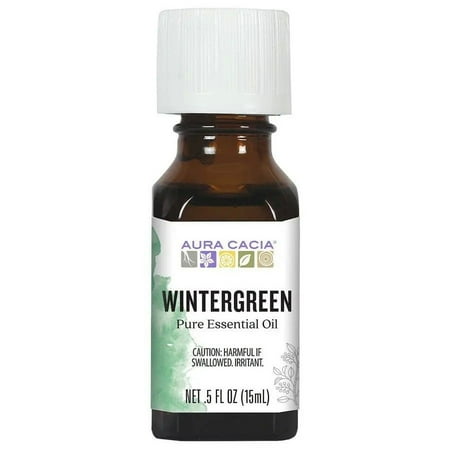
Researchers noted in a 2014 study in the Journal of Alternative and Complementary Medicine that a blend of wintergreen and peppermint oils is commonly used because it’s thought to provide much stronger pain relief than either oil by itself. The combined oil may enhance the separate effects of each ingredient, permitting lower doses of each and likely resulting in fewer side effects.
7. Lavender
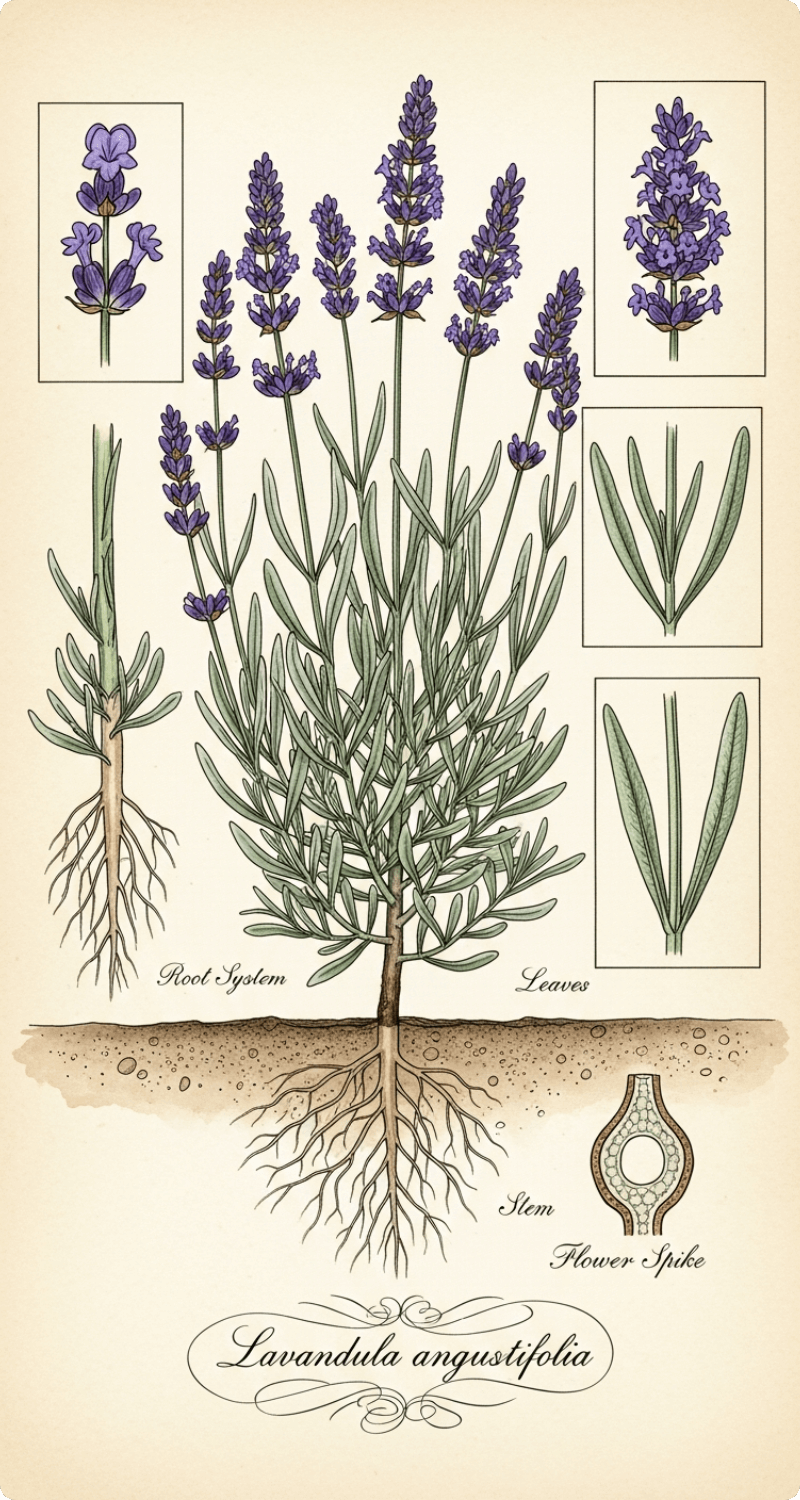
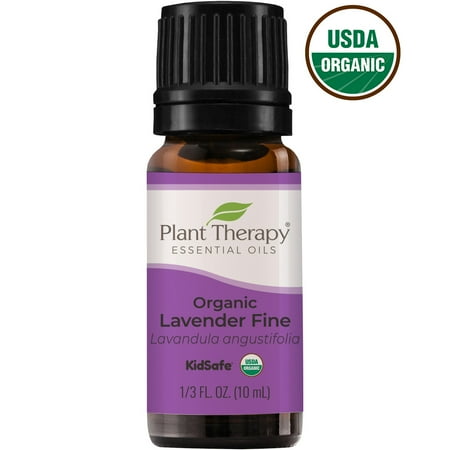
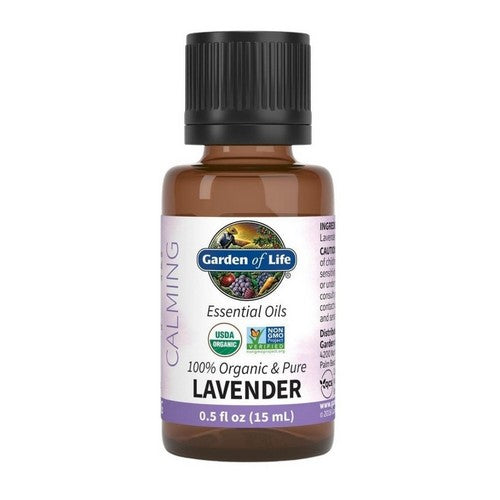
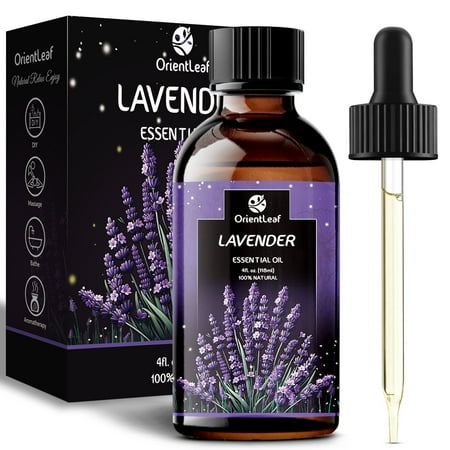
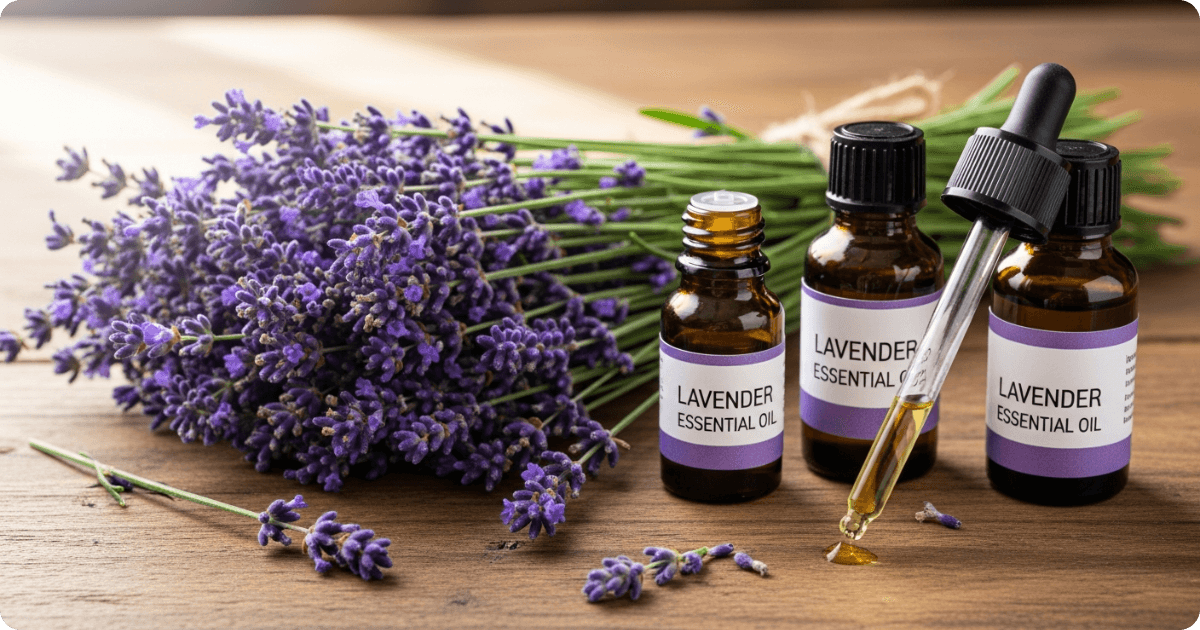
No scent is more linked to restful sleep than lavender. The plant contains at least two compounds, linalool and linalyl acetate, that produce sedative effects. Lavender also appears to help relieve chronic joint pain directly. In a study of 90 patients with knee osteoarthritis, those who received massages with lavender essential oil experienced an immediate and significantly greater reduction in pain compared with the placebo groups.
Mechanisms of Action Blending!
Mechanisms of action when using essential oils:
- Essential oil components like thymol, eucalyptol, and cinnamaldehyde affect key signaling pathways (NF-κB, MAPK, JAK-STAT), causing:
- Reduced pro-inflammatory cytokines: lower levels of TNF-α, IL-1β, and IL-6.
- Inhibited inflammatory mediators: less bradykinin, histamine, serotonin, and PGE2.
- Enzyme regulation: modulation of COX-2 and iNOS involved in inflammation.
- Antioxidant Enhancement
- Increasing antioxidant enzymes: boosting activity of natural enzymes like superoxide dismutase (SOD) and glutathione peroxidase (GPx).
- Decreasing oxidative stress markers: lowering indicators of damage such as malondialdehyde (MDA).
- Direct pain relief: Essential oils can lower pain in several ways.
- Nerve effects: They can change nerve signals, dull nerve endings, and reduce pain signals to the brain.
- Receptor effects: They interact with pain-related receptors and channels (for example TRP channels and opioid receptors), altering pain transmission and perception.
- Local numbness: Oils like peppermint and eucalyptus give a cooling or warming feeling that can distract from or numb pain.
- Cartilage protection: Compounds such as boswellic acids (in frankincense) and some oil components have reduced activity of matrix metalloproteinases (MMPs) in animal studies; MMPs break down joint cartilage.
- Emotional and neurochemical effects (aromatherapy): Inhaled oils stimulate smell receptors linked to the limbic system, prompting release of endorphins and dopamine. This can lift mood and lessen the emotional part of chronic pain.
Blends of oils often work better than single oils. For example, a notable 2005 Korean study tested a specific blend of eucalyptus, lavender, marjoram, rosemary, and peppermint essential oils in a 2:1:2:1:1 ratio on 40 patients with rheumatoid arthritis. The researchers reported that “aromatherapy significantly decreased both the pain score and the depression score of the experimental group compared with the control group.”
A bonus: the treatment caused no side effects. You can create a similar blend using this recipe from The Healing Power of Essential Oils by Eric Zielinski, D.C.
Arthritis Pain-Reducing Ointment
- 14 drops eucalyptus essential oil
- 14 drops sweet marjoram essential oil
- 7 drops lavender essential oil
- 7 drops peppermint essential oil
- 7 drops rosemary essential oil
- 2 ounces almond oil
- 1 tablespoon jojoba oil
Apply Essential Oils Safely and Effectively
Safe and effective use of essential oils for arthritis relief depends on the chosen method of application, dilution, and frequency. Topical application—rubbing diluted essential oils directly onto affected joints—is one of the most popular methods for arthritis pain relief.
For many, aromatherapy massage combines the soothing effects of touch with the benefits of antiarthritic essential oils. Massage oils should always be diluted with a carrier oil to prevent skin irritation and maximize absorption.
Other popular methods include:
- Warm baths infused with a few drops of essential oil
- Steam inhalation or use of a diffuser for inhaling calming aromas
- Compresses (cloth soaked in diluted essential oil and applied to painful joints)
A crucial aspect of safety is dilution. Most essential oils are highly concentrated and need mixing with a carrier oil—such as sweet almond, coconut, or jojoba oil—before being used on the skin.
Carrier Oil Guide
Carrier oils not only dilute essential oils but also provide additional skin nourishment. Popular options include:
- Sweet almond oil: lightweight, easily absorbed, rich in vitamin E
- Coconut oil: moisturizing, antimicrobial, stable at room temperature
- Jojoba oil: mimics natural skin oils, ideal for sensitive skin
- Grapeseed oil: odorless, non-greasy, good for massage
A safe dilution ratio is typically 2-3 drops of essential oil per teaspoon (5ml) of carrier oil for daily use on affected joints. For spot treatments or compresses, a slightly higher concentration (up to 5 drops per teaspoon) may be used temporarily.
Dosage and frequency matter. For chronic arthritis pain, apply diluted oil 1-2 times daily; avoid exceeding recommended concentrations as this can cause irritation.
Practical blends for arthritis patients might include a mix of lavender and eucalyptus oil for reducing inflammation, or ginger and turmeric oil for a warming, soothing effect in evening massage therapies. An example routine: after a warm bath, gently massage a blend of 2 drops marjoram oil and 2 drops rosemary oil in 2 teaspoons of coconut oil into sore knee joints.
For those less experienced, purchasing best essential oil kits can offer a convenient way to start with balanced, pre-formulated blends.
When used correctly, essential oil therapy can enhance arthritis pain relief routines without causing harm. Refer to evidence-based methods for optimal use to ensure maximum therapeutic benefit and safety.

Safe Usage Guidelines, Contraindications, and Side Effects
Using essential oils for arthritis relief can offer natural benefits, but it’s important to know about potential safety concerns before starting any essential oil therapy. Some oils, particularly strong oils like peppermint or eucalyptus, can irritate sensitive skin—especially if not properly diluted with a carrier oil.
Allergic reactions may occur, ranging from mild rashes to more intense symptoms. People with a history of allergies, eczema, or very sensitive skin should always perform a patch test on a small area before wider application. Children and pets are more susceptible to toxicity from certain essential oils; for example, tea tree, wintergreen, or camphor oils can be harmful—even in small quantities.
Pregnant women, breastfeeding mothers, and those with specific medical conditions (such as epilepsy or severe asthma) should consult a healthcare provider or certified aromatherapist before using essential oils, since certain scents or ingredients could trigger complications.
It’s vital to select only high-quality oils for safety. Poorly manufactured products may contain fillers, synthetic additives, or contaminants that increase the risk of adverse effects. Store essential oils in dark glass bottles, tightly closed, and in a cool, dry place to preserve both their therapeutic potency and reduce the likelihood of spoilage. If you notice skin redness, intense burning feel, difficulty breathing, or other unusual reactions, stop use immediately and seek medical help if symptoms persist.
For more guidance on using essential oils wisely in your day-to-day life—including suggestions on everyday essential oil uses for cleaning, skin care, and emotional wellness—visit Essential oils everyday uses.
The Arthritis Foundation advocates the use of essential oils as seen by an article from “Aromatherapy for Arthritis Relief” by Mary Margaret Chappe.
“Aromatherapy is effective because it works directly on the amygdala, the brain’s emotional center,” says Mehmet Oz, MD, director of Columbia University Medical Center’s Integrative Medicine Center in New York City.
“This has important consequences because the thinking part of the brain can’t inhibit the effects of the scent, meaning you feel them instantaneously.” Of the many uses of aromatherapy, pain relief is only one; anxiety reduction and rejuvenation are other common objectives.
Mehmet Oz, MD

Select and Store Quality Arthritis Relief Essential Oils
Selecting truly effective, pure essential oils is crucial for gaining the most therapeutic benefits and minimizing adverse effects. When buying oils for arthritis pain relief or aromatherapy, look for products that are labeled as 100% pure or therapeutic grade without synthetic additives.
The label should clearly state the botanical name (like Lavandula angustifolia for lavender oil), country of origin, extraction method (preferably steam distillation or cold pressing), and use-by date. Trustworthy brands often provide batch-specific GC/MS (Gas Chromatography/Mass Spectrometry) reports that confirm the oil’s chemical constituents, which is a reliable indicator of both purity and antiarthritic activity.
Purchase essential oils only from reputable sources—such as trained aromatherapists, certified suppliers, or well-reviewed specialty retailers. Beware of bargain-bin offerings online or in general stores, as diluted or adulterated oils lack the desired therapeutic efficacy for arthritis pain management.
Proper storage is as important as initial quality. Keep oils in dark amber or cobalt-blue glass bottles to shield them from light, which can degrade sensitive antiarthritic compounds like monoterpenes and sesquiterpenes. Store in a cool, dry location with caps screwed on tightly; exposure to air and heat accelerates oxidation and loss of essential oil potency. Pure, well-kept oils often have a shelf life of 1–3 years, but citrus and some delicate oils may expire sooner.
If you’re curious about blending for full-spectrum arthritis relief, or integrating quality essential oils into your broader natural health routine, explore more expert tips at Healing with essential oils, which covers aromatherapy basics, quality assessment, and storing methods for optimal healing potential.
Review the Research Supporting Essential Oils for Arthritis Relief
A growing body of scientific research supports the antiarthritic potential of essential oils for managing arthritis symptoms, including pain, inflammation, and joint stiffness. Systematic reviews have highlighted that essential oil therapy, when combined with conventional arthritis treatment, can improve pain levels and overall quality of life for many arthritis patients.
For example, studies published in peer-reviewed journals have shown that topical applications of peppermint oil and eucalyptus oil can reduce pain severity in people with knee osteoarthritis. A randomized, controlled study reported in the “Journal of Clinical Rheumatology” found a significant decrease in joint discomfort among participants using a ginger oil ointment compared to placebo.
The Arthritis Foundation notes that aromatherapy can be a valuable complementary therapy, helping to ease anxiety, improve sleep, and enhance feelings of wellbeing for those with chronic pain conditions. Review their resource on aromatherapy for arthritis for up-to-date recommendations and safety tips.
Even medical experts such as Mehmet Oz, MD recognize the therapeutic benefits of certain scents and essential oils in alternative remedies for inflammatory diseases like rheumatoid arthritis. According to Dr. Oz, “Utilizing natural anti-inflammatory ingredients like lavender, rosemary, and peppermint can help soothe both the body and the mind, making them excellent choices for those seeking alternatives to prescription medications for arthritis pain relief.”
To help you make informed choices, here’s a quick list showing the research backed and popular essential oils in arthritis relief:
- Lavender Oil: Strong evidence for reducing pain and improving sleep in arthritis patients.
- Peppermint Oil: Moderate-to-strong clinical support for analgesic activity and anti-inflammatory effects.
- Ginger Oil: Moderate evidence, especially for joint swelling and stiffness relief.
- Frankincense Oil: Studies suggest antiarthritic effects, especially in rheumatoid models.
- Myrrh Oil: Strong evidence showing reduced inflammation and lessen the severity of joint inflammation
- Rosemary Oil: Moderate evidence for improved circulation and reduction of joint pain.
- Eucalyptus Oil: Good evidence for decreasing pain severity in osteoarthritis sufferers.
It should be mentioned that combining myrrh and frankincense oils shows even greater results than their use when applied alone. As ongoing research continues to shed light on the beneficial effects and safety profile of essential oil therapy, more arthritis sufferers are empowered to explore these natural treatment options as part of a comprehensive symptom management plan.

Conclusion
Arthritis can make daily life a struggle, but you aren’t powerless against joint pain and stiffness. Research shows that essential oils—like peppermint, ginger, or frankincense—may help calm inflammation and ease discomfort when used alongside conventional treatments.
By choosing the right oils, applying them safely, and making them part of your self-care routine, you could see gentle yet meaningful improvements in your mobility and quality of life. If you’re new to essential oils for arthritis, start slow, prioritize safety, and always consult with your healthcare provider.
Small, consistent steps—like trying topical blends or mindful aromatherapy—can add up to significant relief. Empower yourself to explore nature-based support, and enjoy a more comfortable, active lifestyle.