- What Makes Mango Butter a Skincare Superstar
- Essential Ingredients for Your DIY Mango Butter Recipe
- Moisturizing Miracle DIY Mango Butter for Luxurious Skin (Step-by-Step Guide)
- How To Create Your DIY Mango Butter Spa Collection
- Perfecting the Texture and Consistency
- Storage Tips and Shelf Life
- Application Techniques for Maximum Benefits
- Customizing Your Recipe for Different Skin Types
- The Science Behind Mango Butter's Moisturizing Power
- Frequently Asked Questions
- Transform Your Skincare Routine Today
Have you ever wondered what makes some people’s skin look so effortlessly radiant and smooth? The secret might be simpler than you think. While expensive skincare products promise miraculous results, nature has already provided us with one of the most powerful moisturizing ingredients: mango butter. This tropical treasure has been quietly revolutionizing skincare routines around the world, and today, I’m going to show you how to harness its incredible benefits right from your own kitchen.
DIY Mango butter isn’t just another trend – the raw ingredient is a time-tested moisturizing powerhouse that can transform dry, dull skin into a soft, supple canvas. What makes this DIY approach even more appealing is that you’ll know exactly what’s going into your skincare products, avoiding harsh chemicals and unnecessary additives that often irritate sensitive skin.
What Makes Mango Butter a Skincare Superstar
Before we start creating your own mango butter moisturizer, let’s understand why this ingredient deserves a spot in your beauty arsenal. Mango butter is extracted from the kernels of mango seeds, and it’s packed with nutrients that your skin absolutely craves.
The skin nutrition lies in its rich composition of vitamins A, C, and E – powerful antioxidants that fight free radical damage and promote skin regeneration. Unlike some heavier butters that can feel greasy, mango butter has a lightweight texture that absorbs quickly into the skin without leaving that uncomfortable sticky residue we all hate.
What really sets mango butter apart is its non-comedogenic properties, meaning it won’t clog your pores. This makes it suitable for all skin types, including acne-prone and sensitive skin. The natural fatty acids in mango butter help restore the skin’s protective barrier, locking in moisture for hours while providing a subtle, healthy glow.
Essential Ingredients for Your DIY Mango Butter Recipe
Creating your own mango butter moisturizer is surprisingly straightforward, and you’ll need just a few high-quality ingredients. The beauty of making your own skincare products is that you can customize the formula to suit your specific skin needs.
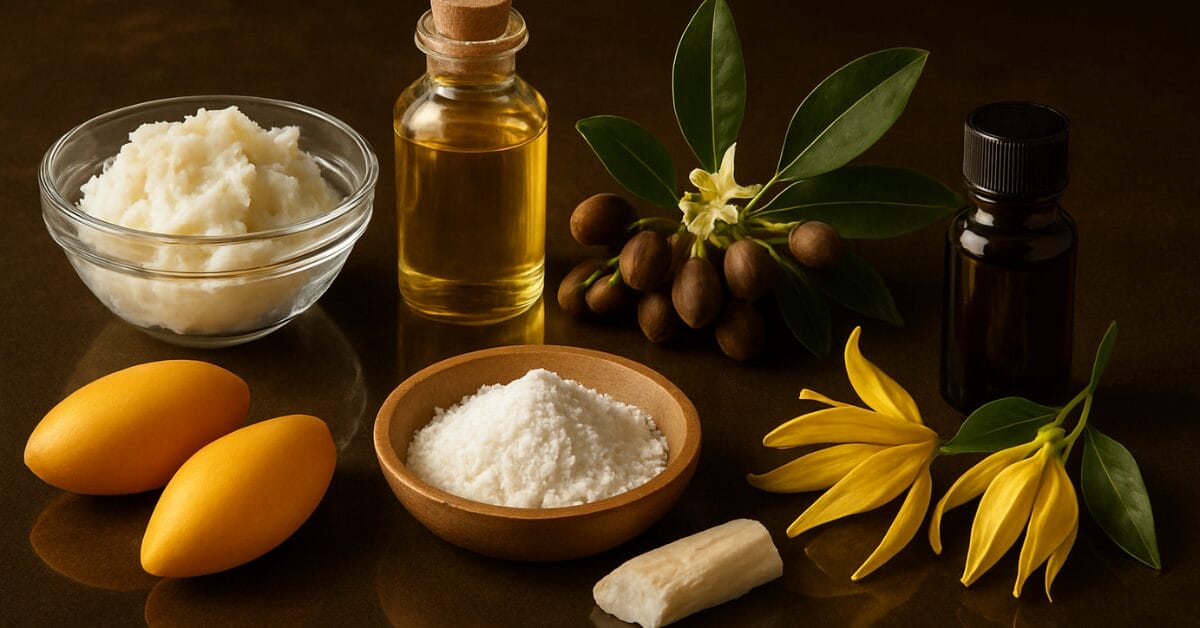
Start with pure, unrefined mango butter as your base – about half a cup should be enough for multiple applications. You’ll also want to include a carrier oil like jojoba, sweet almond, or fractionated coconut oil. These oils help create the perfect consistency while adding their own moisturizing benefits.
For an extra boost of nourishment, consider adding a few drops of vitamin E oil, which acts as a natural preservative while providing additional antioxidant protection. If you enjoy aromatherapy benefits, a drop or two of your favorite essential oil can transform your moisturizer into a spa-like experience. Lavender promotes relaxation, while frankincense is known for its anti-aging properties.

Moisturizing Miracle DIY Mango Butter for Luxurious Skin (Step-by-Step Guide)
Ingredients
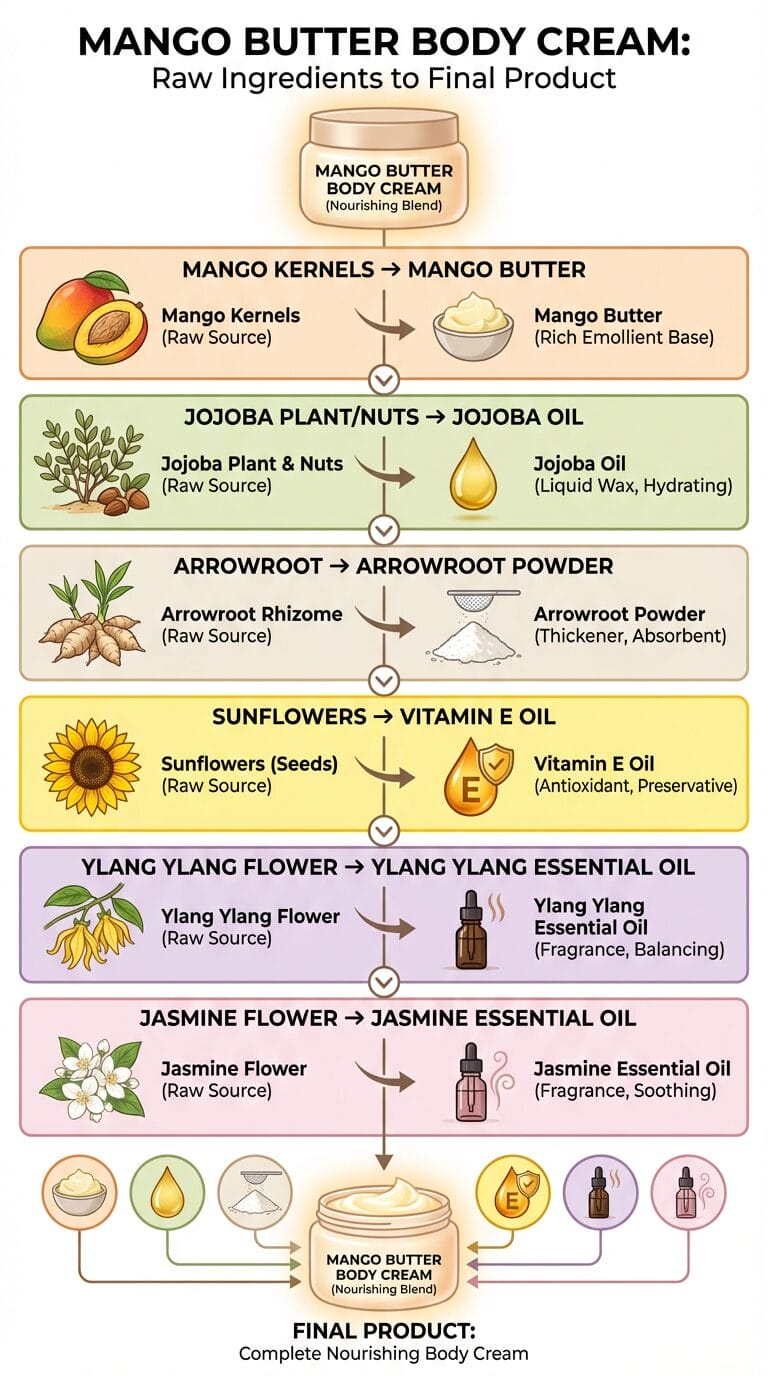
- 100 grams Mango Butter
 30 grams Jojoba oil (see note 1)
- 1 gram Vitamin E oil (tocopherol)
- 1-2 tsp Arrowroot Powder (see note 2)
 5-6 drops Essential oil (see note 3)

Equipment
Method
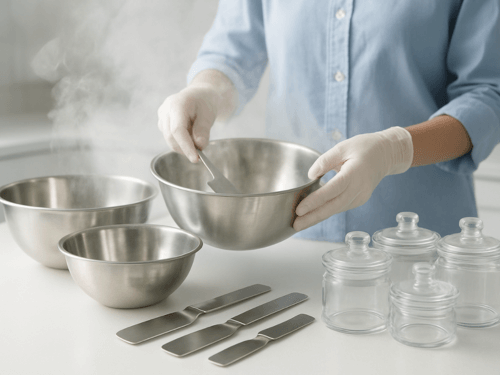
- Sanitize your equipment. Wash everything in very hot soapy water, rinse well, and dry completely. To be ultra careful wipe jars/tools with isopropyl alcohol and air-dry on a clean cloth. You can also add heat proof tools to a hot oven and then turn off an leave to cool. Why does this matter? The more sanitary the equipment the longer the shelf life.
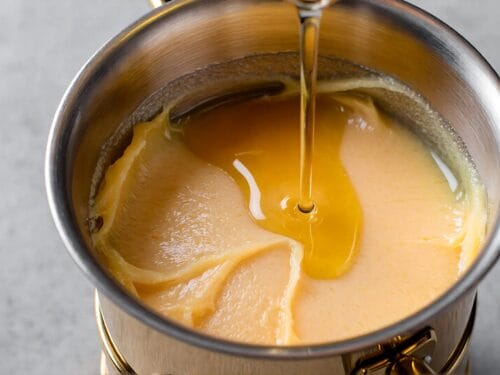
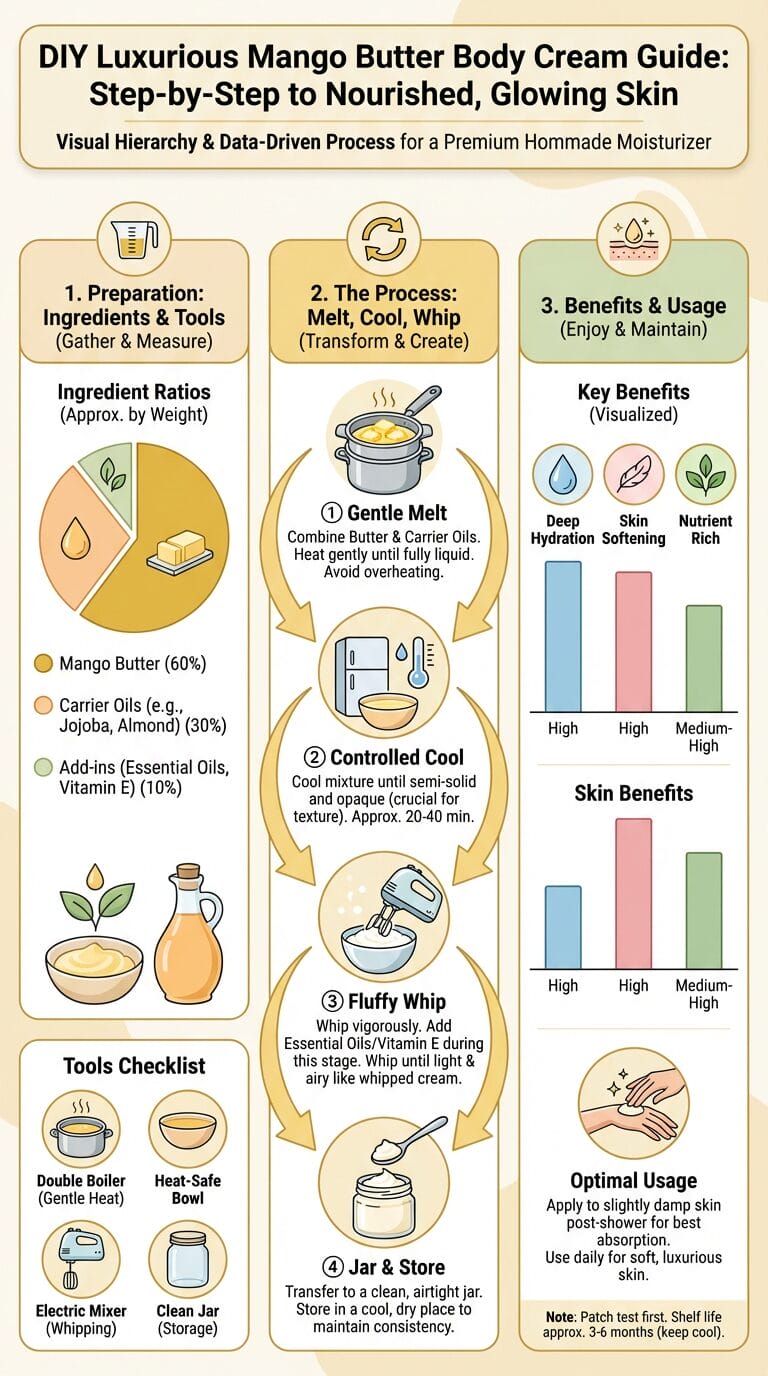
- Heat gently. Place mango butter into a double boiler at low heat. If you don't have one you can use a heatproof bowl over a saucepan with a little simmering water (instant double boiler). Stir until it starts to soften—don’t overheat or melt completely. Mango butter can go grainy if overheated or cooled too slowly. Once it soft and the edges begin to liquify add the jojoba oil and remove from the heat. With a spatula mix quickly until combined.100 grams Mango Butter, 30 grams Jojoba oil
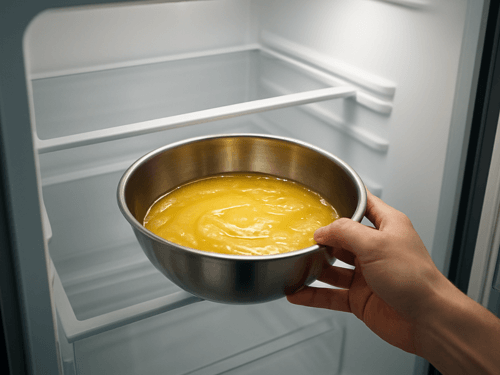
- Now cool it down quickly. A quick-cool helps to prevent graininess. Put the bowl containing the mix in the fridge for 20–30 minutes or in the freezer for 5–10 minutes (you will need to watch the mix closely). Its ready when it looks opaque and still soft, like a thick pudding—NOT rock hard.
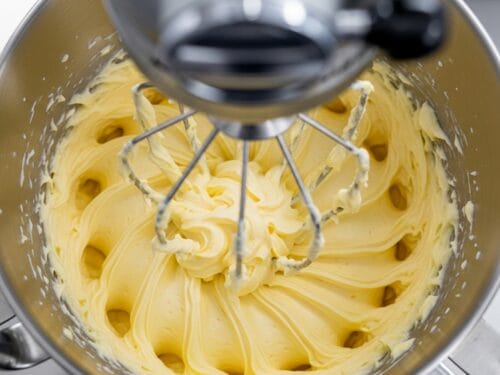
- Whip to fluffy perfection. Using a stand or hand mixer, whip the soft chilled mix for 3–5 minutes. Make sure you stop occasionally to scrape down the sides of the bowl. Keep whipping until light and airy. If you are a cookie or cake baker you are aiming for a similar consistency as highly whipped butter when it has almost turned white and is thick and creamy.If it’s too soft and won’t fluff: chill 5–10 minutes, then whip again.
- Add other ingredients. Vitamin E oil, arrowroot powder and essential oil. Whip again for 2-3 minutes until fully blended and arrowroot powder is completely absorbed. If you can still feel the arrowroot in the mix keep whipping. See notes for recommended essential oils1 gram Vitamin E oil (tocopherol), 1-2 tsp Arrowroot Powder, 5-6 drops Essential oil
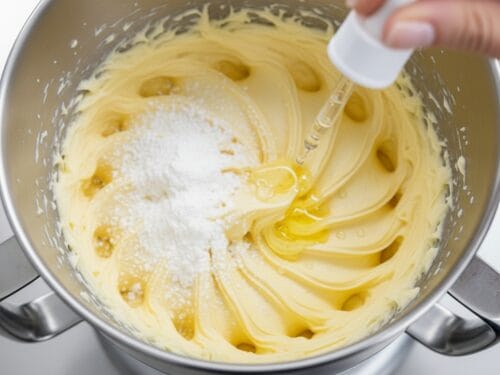
- Jar it up. Spoon into clean cosmetic jars. Tap the sides of the jars gently to remove air pockets. Seal airtight and label with the name, date and your essential oils. Let the mango butter skin cream set at room temperature for a few hours. Then itsb ready to use. Store in a dark, dry and cool place. See notes 4) storage and 5) shelf life.
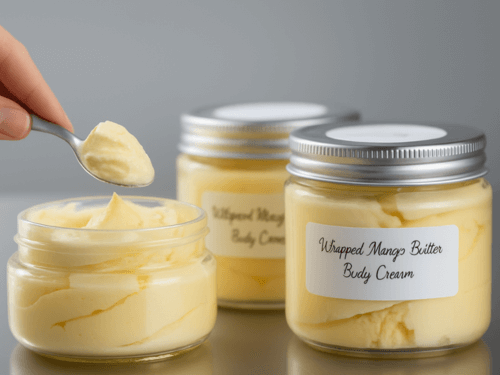
Notes
- Carrier Oil – You can use any carrier oil. I have listed my favorites. They are used to soften the butter and boost the benefits to your skin.
Choose one of:- Jojoba – closest to skin’s natural oils
- Sweet almond – soft and nourishing
- Grapeseed – lighter feel
- Olive – very rich; best for very dry skin
- Avocado – intense hydration and nourishment
- Arrowroot Powder – absorbs excess oil and reduces greasiness. Acts as a stabilizer to hold the whipped structure, and provides a smooth, matte finish that doesn’t dry the skin. We recommend 1 to 2 teaspoons but experiment. You can add less or more depending on your personal preference. If you add more increase the final whipping time by a few more minutes to ensure its absorbed and doesn’t leave a gritty feel.
- Essential Oils – You can add one or more essential oils to suit your tastes. In the post we provide 5 luxurious options to make your body cream heavenly.
- Storage – Store in a cool, dry place away from sunlight. Avoid getting water into the jars (use dry hands or a spatula).
- Shelf life – easily 6 months and up to 12 months, depending on your oils and freshness of products. You’ll know if it goes off as it smells. An early sign is a dramatic change in the texture (goes weepy) and darkens in color. If it does this you’ll need to toss it. But have no fear as this mango butter body cream is so good it won’t last that long anyway!
“Miracle Moisturiser” Variations
These make your body cream into something truly special! (see post for even more options)1) Calming Sensitive-Skin Butter
- Mango butter
- Jojoba oil carrier
- Vitamin E oil
- Arrowroot powder
- Lavender essential oil (5 drops)
- Roman chamomile essential oil (6 drops)
2) Glow and Radiance Butter
- Mango butter
- Sweet almond oil carrier
- Vitamin E oil
- Arrowroot powder
- Frankincense essential oil (4 drops)
- Neroli essential oil (6 drops)
3) Ultra-Heal Night Butter (Cracked Sore Calloused Heels/Hands)
- Mango butter
- Avocado oil carrier
- Vitamin E oil
- Arrowroot powder
- Rosehip essential oil (5 drops)
- Calendula essential oil (3 drops)
- Frankincense essential oil (3 drops)
- Apply this at night and then sleep wearing cotton socks/gloves
Troubleshooting (and Quick Fixes)
It feels greasy.- Add 1–2 tsp arrowroot and re-whip.
- Choose lighter oils (jojoba/grapeseed).
- Remelt gently and do the quick-cool method again.
- Avoid overheating next time.
- If it is gritty only after adding arrowroot, whip it for longer – it will absorb.
- Add a bit more carrier oil (5–10g), remelt, cool, and re-whip.
- Add a bit more mango butter (10–20g), remelt, cool, and re-whip.
Private Notes
How To Create Your DIY Mango Butter Spa Collection
Here are 3 seriously luxurious and divine spa-like recipes that you are sure to adore. And so will your all your family and friends!
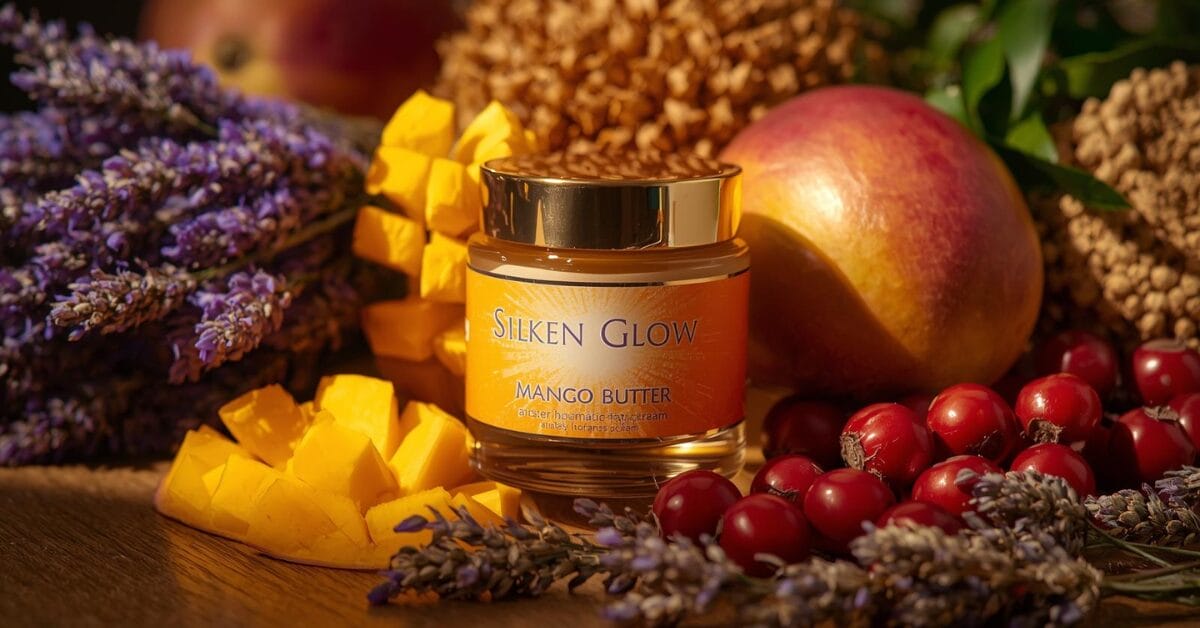
Silken Glow Mango Butter (Face-Safe Version)
This is the most universal and a very popular option. It has a lightweight texture and feel, an elegant fragrance, and is non-greasy.
Why this works
- Low essential oil percentage so guaranteed to be gentle on skin
- Fast-absorbing oils
- Suitable for most skin types (except highly acne-prone)
Ingredients (Makes ~130g)
- 100g Mango Butter
- 25g Jojoba Oil
- 5g Rosehip Oil (luxury + glow)
- 1g Vitamin E
- 1 tsp Arrowroot Powder
Achieving the luxurious Spa Scent (0.5% total essential oil). While amount of essential oil is low (approx 0.4–0.5%) – the combination is divine
- 3 drops Lavender
- 2 drops Frankincense
Result:
✔ Light
✔ Soft-focus glow
✔ Elegant spa aroma
✔ Can be used on face, neck, body
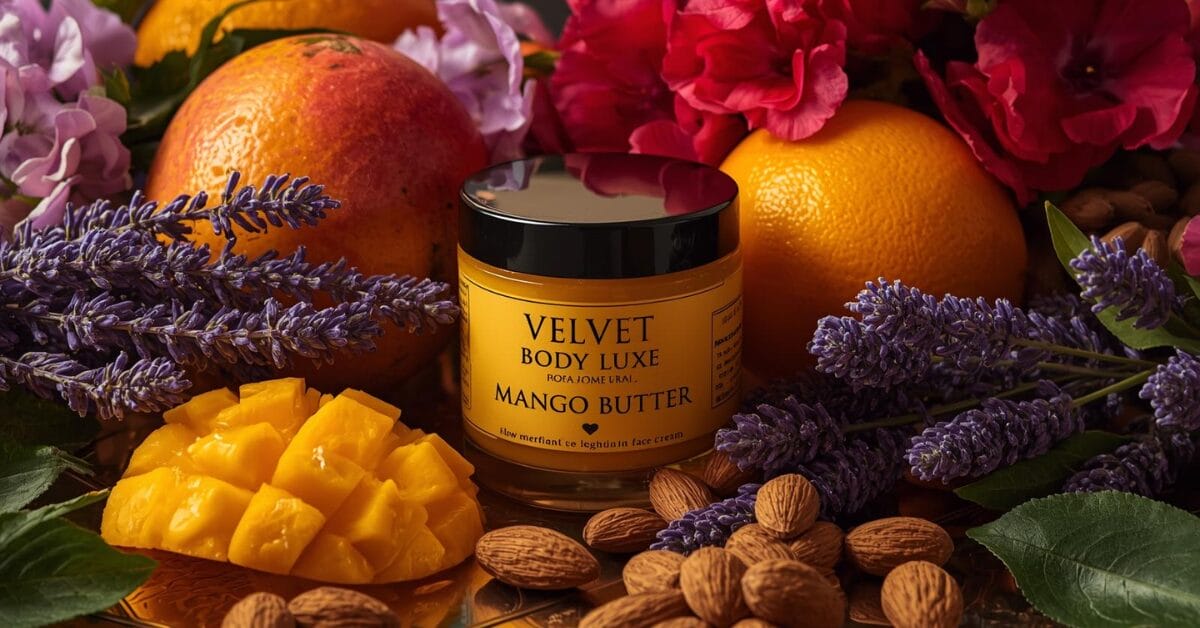
Velvet Body Luxe Mango Butter
This is your classic spa body butter — creamy, indulgent, slightly richer.
Ingredients (Makes ~140g)
- 100g Mango Butter
- 35g Sweet Almond Oil
- 5g Jojoba Oil
- 1g Vitamin E
- 1–2 tsp Arrowroot
Achieving the Spa Blend (1% essential oil total) – Beautiful spa scent — calming but uplifting.
- 5 drops Lavender
- 4 drops Geranium
- 3 drops Sweet Orange
Result:
✔ Silky glide
✔ Soft sheen on skin
✔ Perfect after showers
✔ Luxurious body treatment
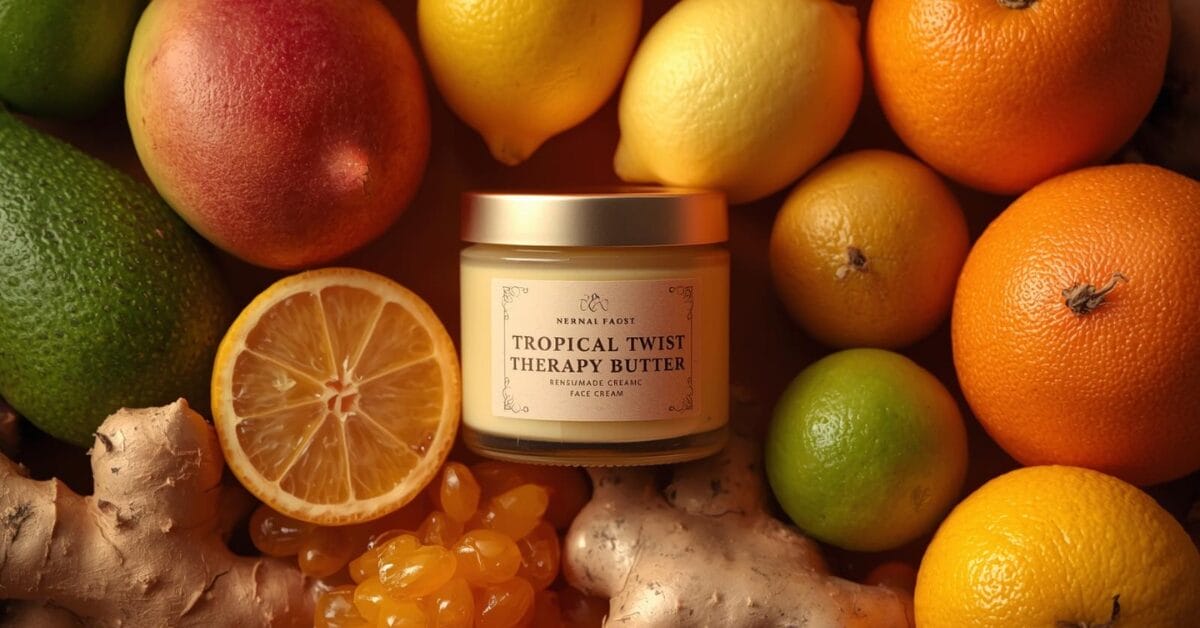
The “Tropical Twist” Therapy Butter
This is richer, healing and very tropical. It’s like sending your skin on a Caribbean cruise – first class!
Ingredients (Makes ~150g)
- 110g Mango Butter
- 30g Avocado Oil
- 10g Olive Oil
- 1g Vitamin E
- ½ tsp Beeswax (Optional – gives a richer, firmer finish)
Achieve the Tropical Spa Blend (1%)
- 5 drops Lemon
- 5 drops Sweet Orange
- 5 drops Grapefruit
- 5 drops Lime.
- 3 drops Ginger.
Result:
✔ Mood Boosting
✔ Skin Rejuvenation
✔ Cellulite Support
✔ Cleansing and Brightening
✔ Stress Relief
Perfecting the Texture and Consistency
Getting the perfect texture for your DIY mango butter can take a bit of experimentation, but that’s part of the beauty of creating your own skincare products. The final consistency will depend on your personal preferences and how you plan to use the product.
For a lighter, more easily spreadable moisturizer, increase the amount of carrier oil. If you prefer a richer, more intensive treatment, use less oil and allow the natural thickness of the mango butter to shine through. Remember that the mixture will firm up as it cools, so don’t panic if it seems too thin initially.
To achieve a whipped, fluffy texture that many people love, place your mixture in the refrigerator for about 30 minutes until it starts to solidify around the edges. Then, using an electric mixer or hand whisk, whip the mixture for several minutes until it becomes light and airy. This creates a luxurious texture that feels amazing on the skin.
Storage Tips and Shelf Life
Proper storage is essential for maintaining the quality and effectiveness of your homemade mango butter moisturizer. Since you’re not using synthetic preservatives, your DIY creation will have a shorter shelf life than commercial products, but with proper care, it can last several months.
Store your finished product in a clean, airtight container, preferably made of glass or high-quality plastic. Keep it in a cool, dry place away from direct sunlight. A bathroom medicine cabinet or bedroom dresser works perfectly. If you live in a particularly warm climate, refrigeration can help extend the shelf life and provide a cooling sensation when applied.
Always use clean hands or a small spatula when removing product from the container to prevent bacterial contamination. Your mango butter moisturizer should maintain its quality for 6-8 months when stored properly, though you’ll probably use it up much faster once you experience its amazing benefits.
Application Techniques for Maximum Benefits
How you apply your DIY mango butter can significantly impact its effectiveness. The best time to use any moisturizer is when your skin is slightly damp, as this helps lock in additional moisture and improves absorption.
Apply your mango butter moisturizer using gentle, upward circular motions, paying special attention to areas that tend to be drier like elbows, knees, and heels. A little goes a long way with mango butter, so start with a small amount and add more if needed. The goal is to nourish your skin without leaving it feeling greasy or heavy.
For facial application, use an even smaller amount and focus on areas that need extra moisture, such as around the eyes or on dry patches. The lightweight nature of mango butter makes it suitable for daily use, both morning and evening, though you might find that evening application works best for deeper moisturization.
Customizing Your Recipe for Different Skin Types
One of the greatest advantages of making your own mango butter moisturizer is the ability to tailor it to your specific skin needs. Different skin types benefit from different ingredient combinations, and understanding these variations can help you create the perfect formula.
For dry or mature skin, consider adding a small amount of rosehip seed oil or argan oil to boost the anti-aging and deeply moisturizing properties. These oils are rich in vitamins and essential fatty acids that help repair and rejuvenate tired-looking skin.
If you have oily or combination skin, stick with lighter carrier oils like jojoba or grapeseed oil, which closely mimic your skin’s natural sebum without adding excess oiliness. You might also consider adding a drop of tea tree oil for its antibacterial properties, though always patch test first to ensure you don’t have any sensitivities.
Sensitive skin types should keep the recipe simple, avoiding essential oils initially and focusing on the pure, gentle benefits of mango butter combined with a hypoallergenic carrier oil like fractionated coconut oil or sweet almond oil.
The Science Behind Mango Butter’s Moisturizing Power
Understanding why mango butter works so effectively can help you appreciate what you’re putting on your skin and make informed decisions about your skincare routine. The molecular structure of mango butter allows it to penetrate deeply into the skin layers, providing long-lasting hydration rather than just surface-level moisture.
The high concentration of stearic acid in mango butter helps restore the skin’s natural barrier function, which is crucial for maintaining healthy, hydrated skin. These fatty acids also have anti-inflammatory properties, making mango butter excellent for soothing irritated or inflamed skin conditions. “Between 30% to 50% of the fatty acid content in mango butter is stearic acid which is responsible for its creamy texture and helps to stabilize emulsions in skin care products” says Dr. Leslie Baumann MD, FAAD, Dermatologist, Author, and Researcher. Baumann explains “Stearic acid can also help to form a protective barrier on the skin.”
As well as stearic acid it also contains high levels of Oleic acid (omega-9). “Oleic acid is one of the most abundant fatty acids found in mango butter,” says Baumann. “This monounsaturated fatty acid is able to penetrate the skin’s outer layers, where it can improve hydration by reducing transepidermal water loss (TEWL) and improves the skin’s barrier function”.
Research has shown that the antioxidants in mango butter can help protect against environmental damage while promoting collagen production, which keeps skin looking firm and youthful1Mandawgade SD, Patravale VB. Formulation and evaluation of exotic fat based cosmeceuticals for skin repair. Indian J Pharm Sci. 2008;70(4):539-542. doi:10.4103/0250-474X.44615. This combination of immediate moisturizing benefits and long-term skin health makes mango butter a truly comprehensive skincare ingredient.
Frequently Asked Questions
Can I use mango butter if I have a mango allergy?
If you have a known mango allergy, it’s best to avoid mango butter or consult with a dermatologist before use. While the butter is extracted from the seed kernel rather than the fruit itself, there’s still a potential for allergic reactions in sensitive individuals.
How long does homemade mango butter moisturizer last?
When stored properly in a cool, dry place in an airtight container, your DIY mango butter moisturizer should last 6-8 months. Signs that it’s time to replace it include changes in smell, texture, or color.
Can I use mango butter on my face?
Absolutely! Mango butter is non-comedogenic, meaning it won’t clog pores, making it suitable for facial use. Start with a small amount and see how your skin responds, especially if you have sensitive or acne-prone skin.
What’s the difference between mango butter and shea butter?
While both are excellent moisturizers, mango butter tends to be lighter and less greasy than shea butter. Mango butter also has a more neutral scent and absorbs more quickly into the skin.
Can I add other ingredients to my mango butter recipe?
Yes, you can customize your recipe with various carrier oils, essential oils, and even natural additives like honey or aloe vera gel. Always research ingredient compatibility and perform patch tests when trying new combinations.
Is it normal for my mango butter to change consistency with temperature?
Yes, this is completely normal. Mango butter will soften in warm temperatures and firm up when cool. This natural characteristic doesn’t affect its moisturizing properties.
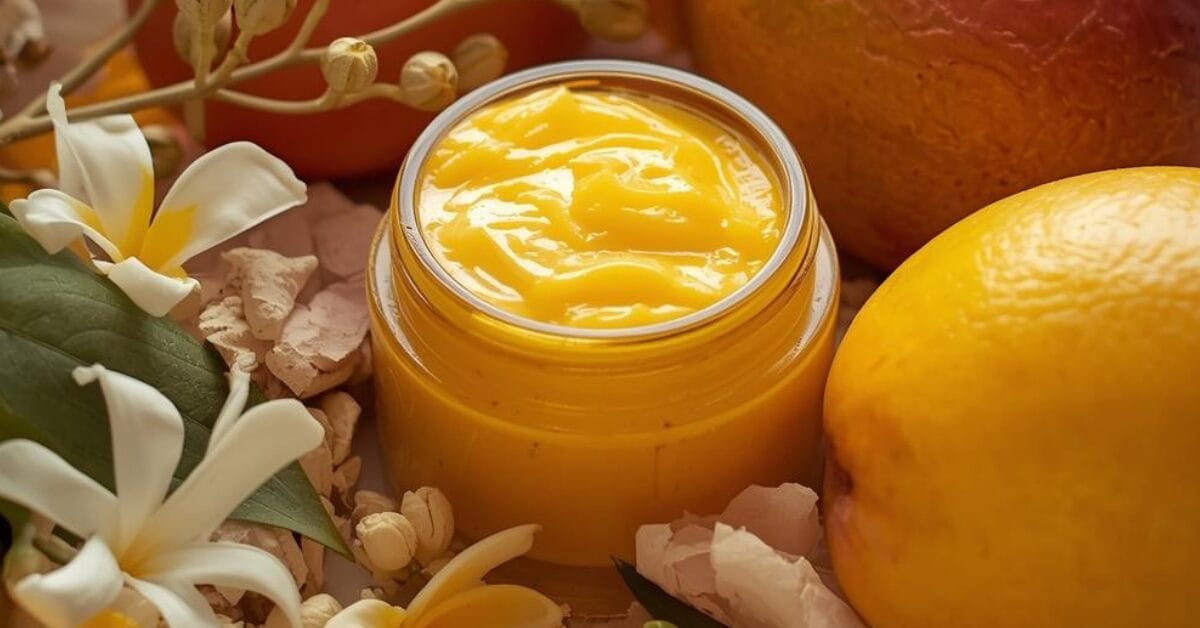
Transform Your Skincare Routine Today
Creating your own DIY mango butter moisturizer isn’t just about saving money or avoiding chemicals – it’s about taking control of what goes on your skin and experiencing the pure, unadulterated benefits of this incredible natural ingredient. The process itself can be meditative and rewarding, and the results speak for themselves.
Your skin deserves the best care possible, and sometimes the most effective solutions are also the simplest ones. Mango butter has been nature’s answer to dry, tired skin for centuries, and now you have the knowledge to harness its power in your own home.
Start your mango butter journey today, and prepare to discover what truly luxurious, naturally moisturized skin feels like. Your future self will thank you for making this simple yet transformative addition to your skincare routine. Remember, beautiful skin isn’t about expensive products – it’s about consistent care with ingredients that truly nourish and protect your skin’s natural beauty.
References
- 1Mandawgade SD, Patravale VB. Formulation and evaluation of exotic fat based cosmeceuticals for skin repair. Indian J Pharm Sci. 2008;70(4):539-542. doi:10.4103/0250-474X.44615


