
- What Is Forest Bathing?
- The Scientific Evidence for Forest Therapy
- Physical and Mental Health Benefits of Forest Bathing
- Engage All Senses in Nature
- Incorporate Meditation and Mindfulness
- Adapt Forest Bathing to Urban Life and Accessibility Needs
- Choose the Best Locations and Times for Optimal Benefits
- Conclusion
- FAQ
What if stepping into a forest wasn’t just a peaceful escape—but a proven way to feel calmer, healthier, and more focused? In our fast-paced, always-connected world, stress and screen fatigue are almost constant companions for many of us.
Discover the benefits of forest bathing—a mindful practice rooted in Japanese tradition, where you unplug, slow down, and let all your senses soak in the natural world. This isn’t just another stroll in the park; it’s a researched-backed method for boosting your mood, lowering stress, and even improving your immune system.
Curious about how it works, what science says, or how to start—even if you live in the city? Keep reading, and discover how a simple walk among trees can be transformative for your body and mind.
What Is Forest Bathing?
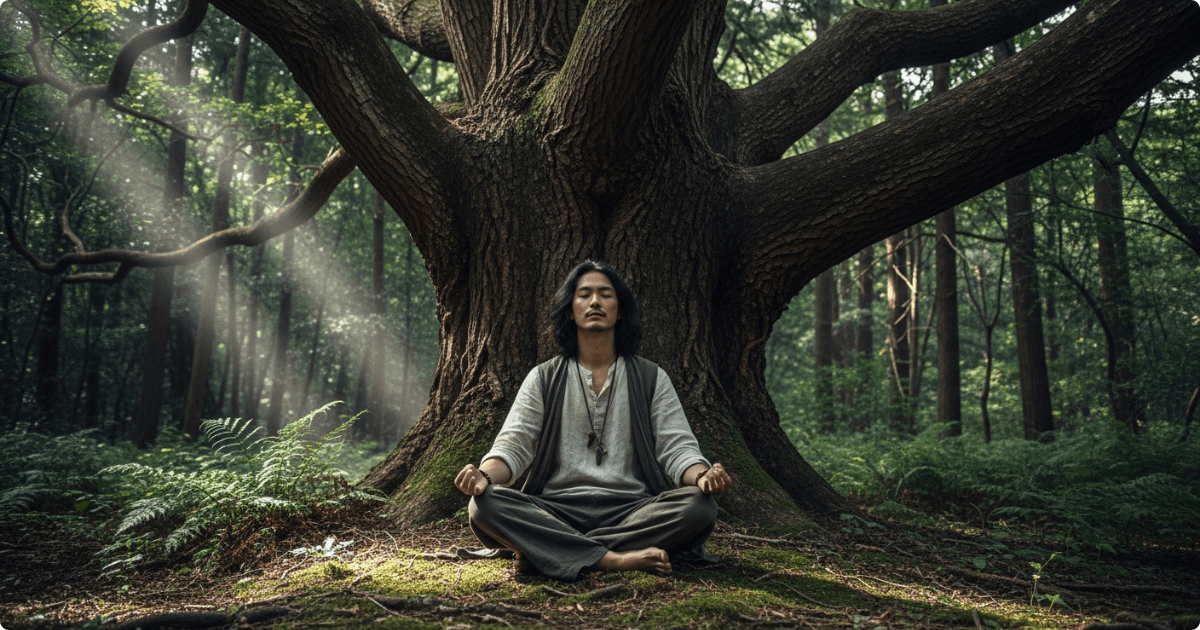
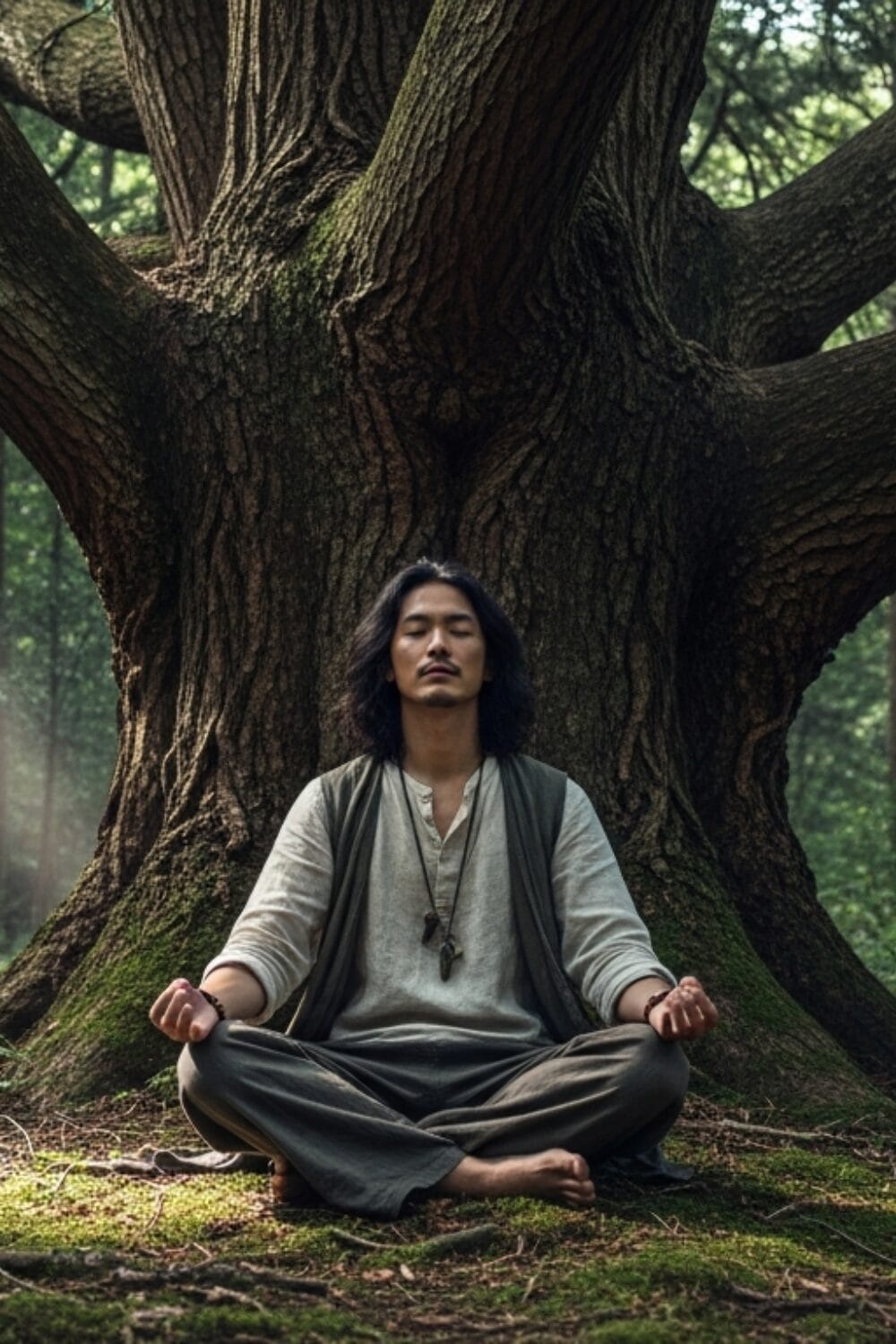
Known in Japanese as Shinrin-yoku, it is a practice rooted in mindful immersion within natural forest environments. It’s not about hiking or vigorous activity, but rather slowing down, tuning in, and consciously engaging all your senses with the trees, plants, and forest atmosphere around you.
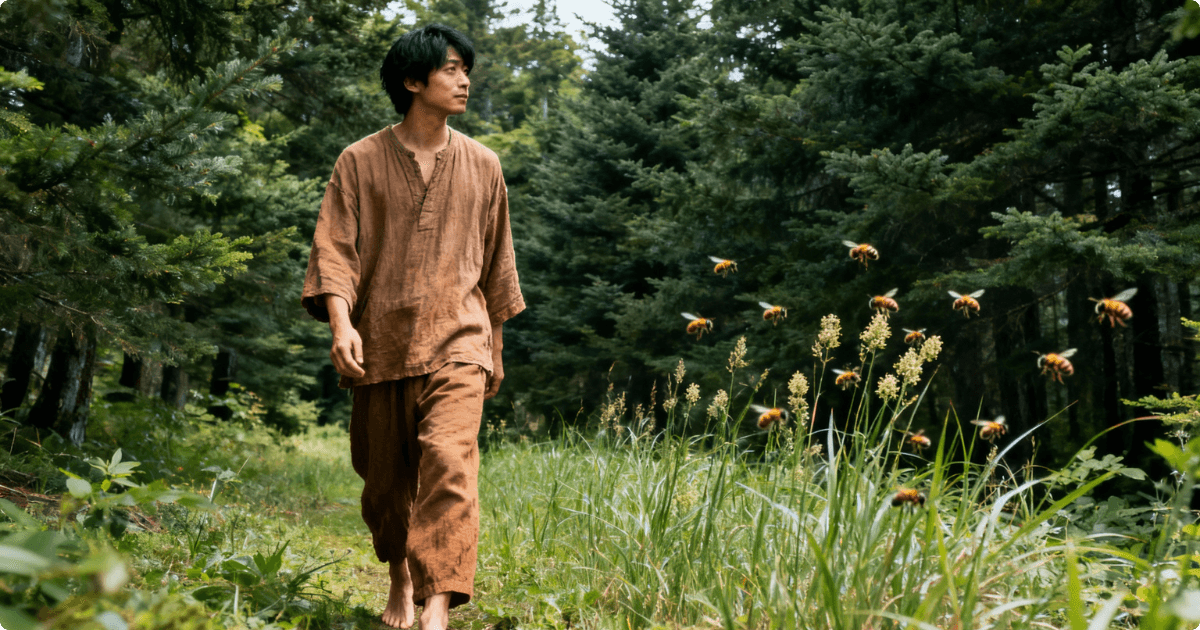
At its core, forest bathing encourages you to unplug from technology and daily distractions, fostering a gentle state of mindfulness. Key elements include walking at a leisurely pace, breathing deeply, observing nature’s intricate details, and noticing the differing textures of bark or the subtle sounds of wind rustling through leaves.
Multi-sensory engagement is essential: feeling the roughness of a pine tree, inhaling the scent of damp earth, listening to bird calls, watching dappled sunlight filter through the canopy, and even tasting the freshness of the air all contribute to a complete forest bathing experience. These sensory moments are invitations to be present and reconnect with the rhythms of the natural world.
The Origins of Shinrin-Yoku
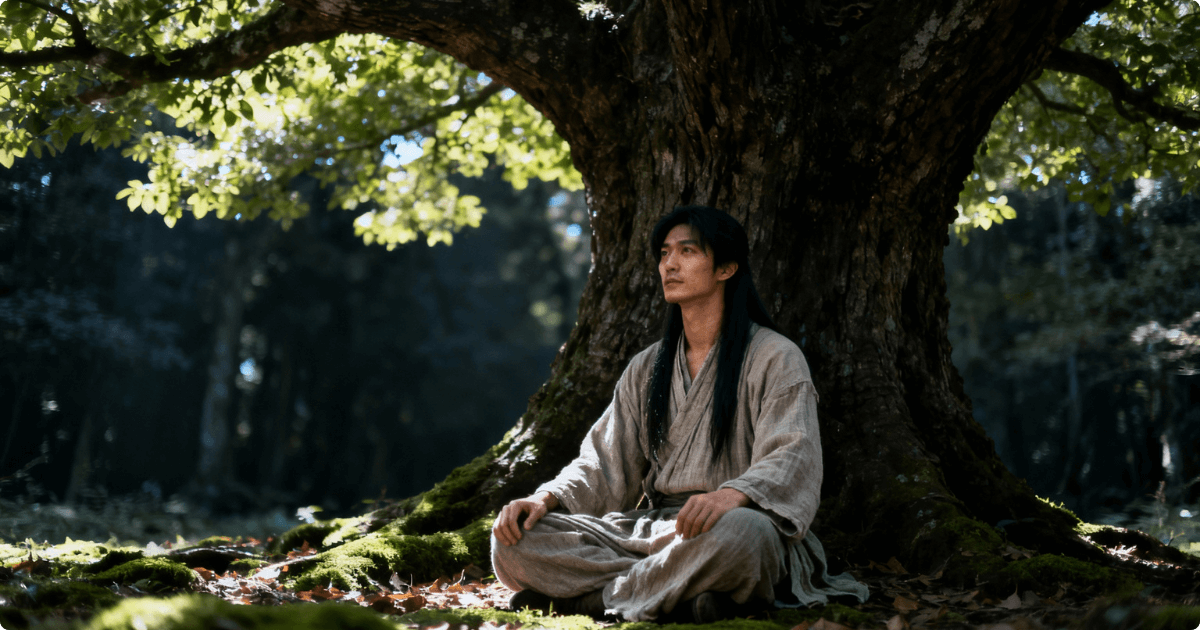
The origins of Shinrin-yoku date back to early 1980s Japan, when government agencies, expecting a rise in urban stress and chronic illness, promoted time in forests as preventative medicine. Thanks to supportive research and advocacy from experts like Dr. Qing Li, the Japanese Ministry of Agriculture, Forestry, and Fisheries established Shinrin-yoku as both public health practice and cultural phenomenon. Today, “forest bathing” resonates globally, adapted into practices like forest therapy programs in the United States, ecotherapy in the UK, and nature therapy elsewhere.
While sometimes compared to “green exercise” such as jogging or hiking, shrinyin-yoku is distinct. Its emphasis lies in mindfulness and sensory immersion, rather than physical activity. It sits alongside other nature-based interventions but stands out for prioritizing rest, gentle presence, and noticing over movement or athletic achievement.
If you’re curious about more in-depth studies and contemporary understanding of these practices, you can explore the growing body of forest therapy research that highlights both its cultural impact and health-promoting potential across different societies.

The Scientific Evidence for Forest Therapy
Forest bathing therapy’s popularity is built not just on tradition but on increasing scientific validation that forest environments trigger measurable health benefits. Peer-reviewed studies spanning decades, including landmark research by Dr. Gregory Bratman and Dr. Qing Li, have demonstrated that time spent in forests can positively affect physical and psychological wellbeing.
A significant area of research focuses on phytoncides, natural tree oils released by trees such as pines and cypresses. When you breathe in forest air, these compounds enter your system, prompting your body to boost the activity and count of natural killer (NK) cells. NK cells are white blood cells essential for immune defense against infections and abnormal cell growth. Exposure to phytoncides also dampens inflammatory processes and improves markers of immune function, a discovery confirmed in both Japanese and international studies.
Evidence also highlights forest bathing’s impact on the autonomic nervous system. A gentle walk among the trees can activate the “rest and digest” mode of your parasympathetic nervous system, which helps you relax, recover, and lower heart rate and blood pressure. Multiple sessions in woodland settings consistently yield reduced cortisol levels—the body’s primary stress hormone—which translates to decreased feelings of anxiety and stress.
A study in 20231The Effects of Dynamic and Static Bathing (Shinrin-yoku) on Physiological and Psychological Health in Males and Females found that both “dynamic and static forest bathing demonstrate positive impacts on human physical and mental health, although static bathing shows more pronounced effects on physiological health, while dynamic bathing shows greater effects on mental health.”
Dr. Peter James at Harvard’s School of Public Health has emphasized how greenery exposure, even in urban environments, correlates with lower mortality and improved cardiovascular outcomes. You can learn more about his contributions here.
Unlike typical exercise, forest therapy and Shinrin-yoku have been shown to offer additional benefits by engaging multiple senses and promoting states of mindfulness and awe. Through validating both biological and psychological effects, scientific consensus now regards forest bathing not just as a wellness trend, but as a practice with real, measurable outcomes for disease prevention and overall health. If you’re interested in more details, a wealth of bathing research breaks down these findings and ongoing studies worldwide.
Physical and Mental Health Benefits of Forest Bathing
Mindfulness and present-moment awareness are powerful tools in reducing rumination and helping to manage daily stress. For example, One study showed that participants who engaged in shrinyin-yoku reported lower rates of anxiety and an improvement in mood that persisted beyond the initial experience.
Regular nature therapy can also enhance creativity and increase your ability to problem-solve, possibly due to the calming stimulus of natural surroundings and the reduction in mental fatigue. A comprehensive Nature-health review supports the idea that spending time among trees can lead to measurable improvements in psychological and emotional wellbeing.
Certain populations derive special value from forest bathing; older adults, individuals struggling with chronic stress, those managing high blood pressure, and people in high-pressure jobs often find relief and resilience through this practice. However, if you have a medical condition, it’s best to consult your healthcare provider before starting a new program—especially if you plan strenuous activities or have mobility concerns.
In June 2019 a comparative study investigated the physiological and psychological effects of “forest bathing”2A comparative study of the physiological and psychological effects of bathing (Shinrin-yoku) on working age people with and without depressive tendencies on people of a working age with and without depressive tendencies. They conducted physiological measurements and psychological surveys before and after forest bathing with subjects who participated in day-long sessions of bathing, at a forest therapy base located in Hiroshima Prefecture.
For those looking to maximize the healing potential, combining forest therapy with other approaches, such as enhancing health benefits through mindful nutrition or supplements, can offer a holistic boost to both body and mind. Shrinyin-Yoku meets you wherever you are, offering personal and diverse health benefits—whether you choose a quiet walk in a city park or a deep session in ancient woodlands.

How To Practice Effectively: Forest Bathing Step-By-Step
Beginning your forest bathing journey is simple, but knowing how to approach it mindfully makes a world of difference. First, select a location that feels inviting—a woodland, city park, botanical garden, or even a quiet corner of your backyard.
Leave your phone and devices behind, or silence notifications to fully unplug from technology. Allow yourself to wander slowly; forest bathing is not about reaching a destination but about being present in the environment.
Start with 5 to 10 deep breaths to anchor yourself and set your intention for the session. Practicing mindful breathing as you begin helps calm the mind and attune the senses to the forest atmosphere.
Continue at a gentle pace, paying close attention to the sights, sounds, and smells around you. Take moments to pause—observe the way sunlight dapples through the leaves, listen to the subtle breeze in the branches, or feel the texture of tree bark.
If you’re practicing solo, let your curiosity guide you, but always stay on marked paths for safety, especially in unfamiliar woods. For those new to the practice or seeking a deeper experience, consider joining a certified forest therapy guide or structured group session.
Accessibility is vital—choose flat, well-maintained trails or paved paths in local parks if mobility or balance is a concern. Take breaks as needed and listen to your body, setting a comfortable time limit for your forest bath, whether it’s 20 minutes or a full hour.
Engage All Senses in Nature
Immersing yourself fully in the forest bathing experience means tapping into every one of your senses. The forest environment offers countless opportunities for sensory engagement, but many people miss these subtle details in everyday life.
Start by tuning in to sight. Notice the dappled sunlight filtering through the leaves, the intricate patterns on tree bark, or the gentle movement of ferns as the wind rustles through the woodland. Let your eyes linger on tiny forest floor plants, rich green mosses, or scattered pine cones—taking your time to observe, not just glance.
Next, awaken your hearing by pausing to listen deeply. Close your eyes for a moment and focus on the layers of forest sounds: a distant birdsong, the buzz of insects, the rustle of small creatures moving in the undergrowth, or leaves brushing together. Try playing recorded nature sounds from forest environments at home or during walks to deepen your auditory focus and relaxation.
Smell is another powerful gateway into the forest atmosphere. Take slow, deliberate breaths and notice the aroma of wet earth after rain, the sharpness of pine or spruce needles, or the subtle fragrance of blooming wildflowers. Some trees release phytoncides, airborne compounds that support our immune systems and evoke feelings of calm and comfort.
Touch brings you into direct connection with your natural surroundings. Let your fingertips graze the roughness of tree bark, the softness of moss, or the cool smoothness of river stones. Walking barefoot on leaf litter or running your hand along native evergreens can create powerful grounding sensations that calm the nervous system.
Taste, though often overlooked, can enrich your forest bath when done safely. Savor a mindful sip of herbal tea or taste edible plants and berries only if you are certain of their safety. The act of eating or drinking slowly in the forest helps you savor the present moment and deepen your sense of wellbeing.
By intentionally engaging each sense, you transform a simple walk into a mindful, healing adventure—a complete forest bathing practice that serves as an antidote to sensory overload in modern life.
Incorporate Meditation and Mindfulness
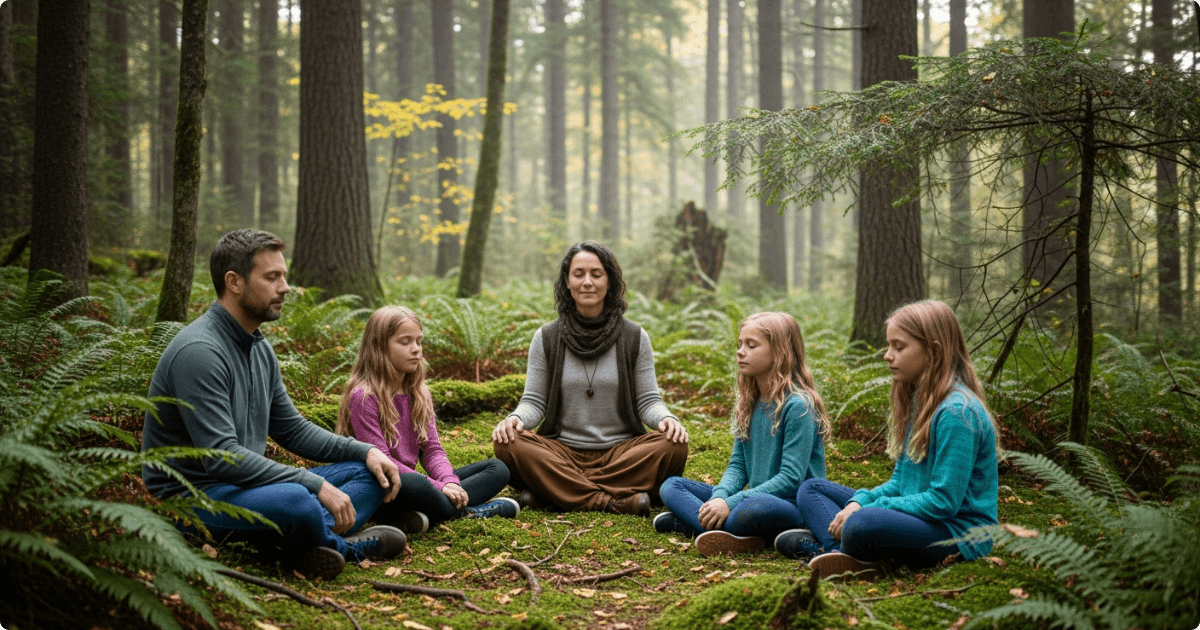
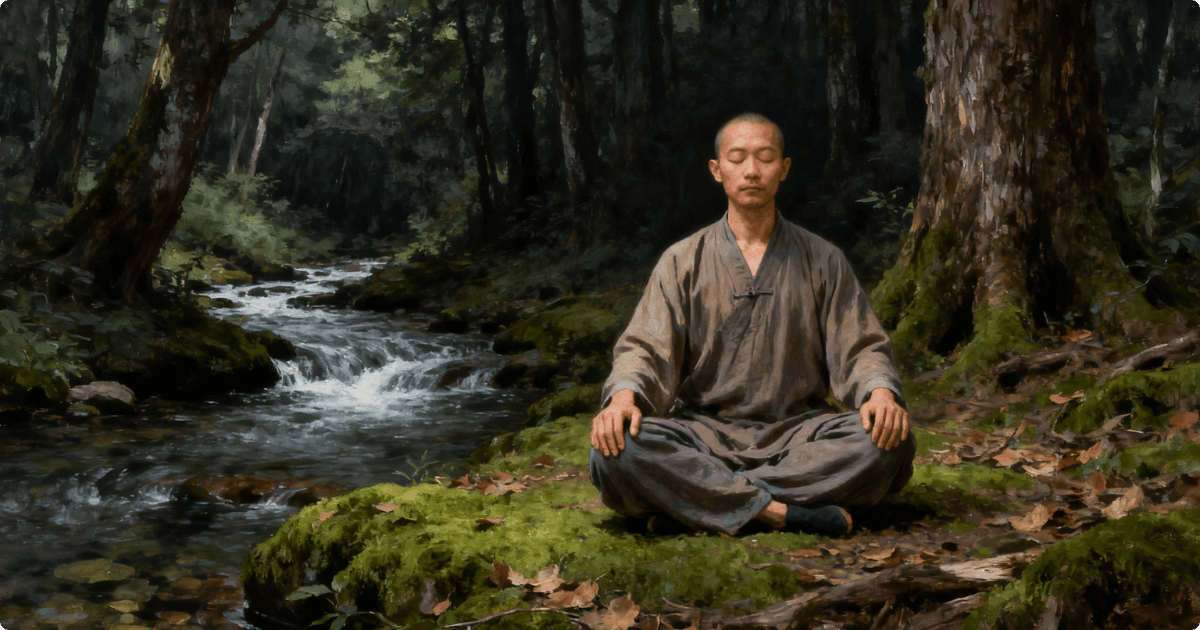
Blending meditation and mindfulness practices with forest bathing adds a new dimension, bringing clarity, emotional balance, and a sense of profound presence to your time in the woods. Intentional meditation in a natural setting becomes vastly different than indoor practice; the dynamic forest environment invites you to work with sights, sounds, and sensations as anchors for focus.
Start with simple breathwork, pausing often to notice your inhales and exhales as you wander a wooded path. You can embrace guided meditation, following a script or using a meditation app that leads you through visualization and grounding exercises amidst the trees. Others may prefer silent meditation, settling on a log or mossy stump, or trying walking meditation—where every step is taken slowly, with full awareness of the world beneath your feet.
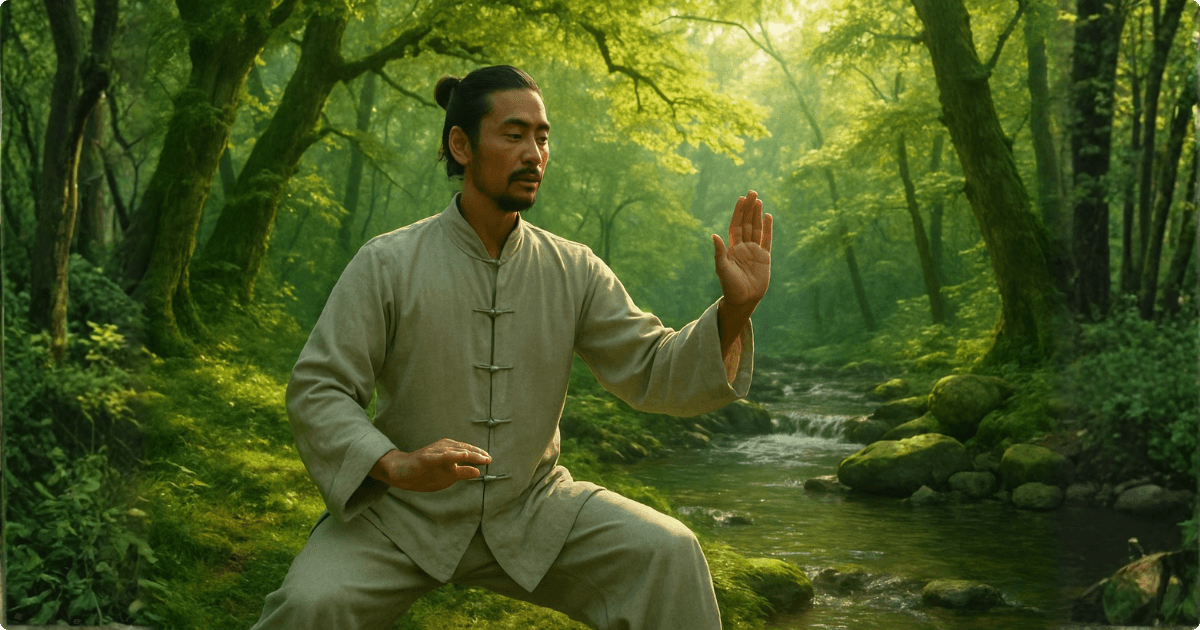
Forest bathers often combine mindful movement with stillness. Gentle yoga stretches, simple Tai Chi flows, or Qigong sequences can deepen your connection to your body and environment, helping you tune into the rhythm of nature. Even small movements—reaching for a branch, stretching to the sky—become meditative when performed with intention.
The benefits of mindful forest bathing are well supported:
- Enhanced mental clarity, as mindfulness in green spaces soothes stress and reduces rumination
- Greater emotional balance, with nature providing a restorative, calming effect on the nervous system
- Sharper sensory awareness and increased creativity, as meditation unites mind and body within a healing forest environment
Ultimately, bringing meditation and mindfulness into your forest bathing session turns each outing into a meditation journey, inviting you to slow down, notice, and embrace the healing power of natural surroundings.
Adapt Forest Bathing to Urban Life and Accessibility Needs
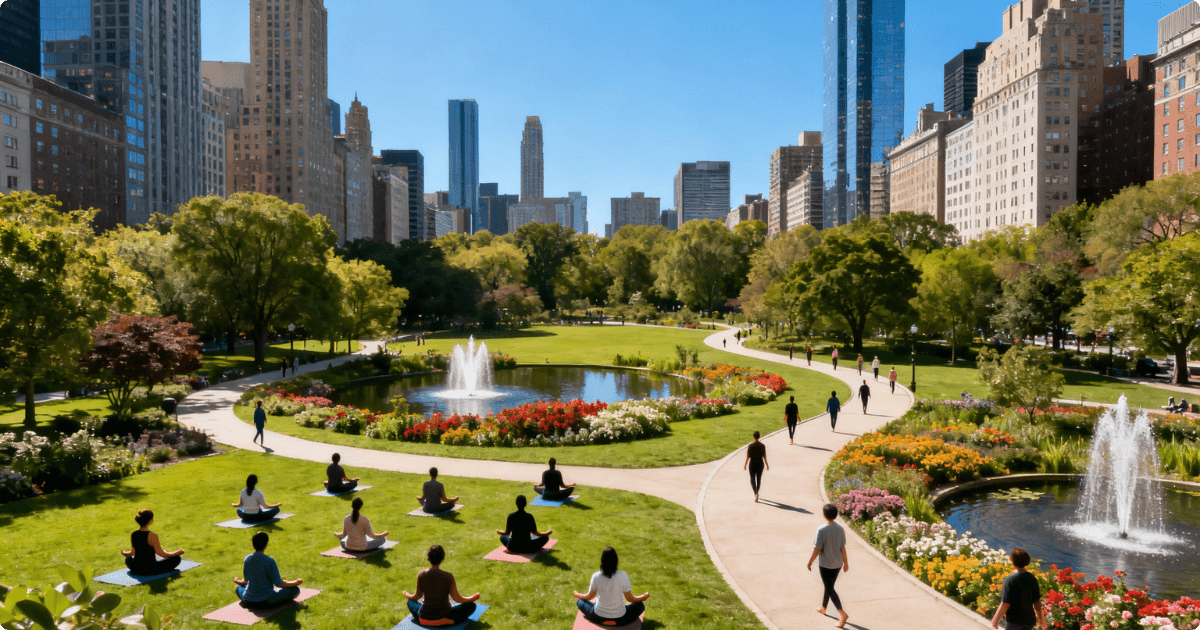
You don’t need a vast forest or remote wilderness to experience the healing power of forest bathing. Urban dwellers can embrace the benefits of forest therapy by seeking out city parks, leafy boulevards, rooftop gardens, or even cozy corners filled with houseplants.
Take regular walks in your nearest urban park, pause under a canopy of trees, or sit quietly among landscaped gardens—these all count as effective forest bathing sessions. If access to green spaces is limited, consider bringing the outside in. Houseplants, vertical gardens, and nature-inspired decor can help create a mini-forest environment in your apartment or office, nurturing a sense of calm and connection with nature.
For those with limited mobility or disabilities, forest bathing can be meaningfully adapted. Choose accessible parks with paved paths, raised gardens, and benches for rest. Many botanical gardens and city parks offer mobility-friendly trails so everyone can enjoy the sensory richness of trees, leaves, and bird song.
Technology can help bridge the gap when outdoor access is tough. Listening to flowing nature sounds or diffusing essential oils like pine, cedar, or cypress can simulate the beneficial forest atmosphere right at home. Aromatherapy can evoke the calming scents of woodland areas, and visual nature apps or virtual “awe walks” bring the benefits of forest bathing to your screen.
Whether you wander a shaded city lane or create a sanctuary with greenery and forest aromas in your living room, the core of forest bathing remains the same: slowing down, engaging your senses, and inviting nature’s gentle rhythms to support your wellbeing.
Choose the Best Locations and Times for Optimal Benefits
The restorative power of forest bathing depends largely on where and when you practice. Aim for spaces that feel safe, clean, and abundant with trees or greenery—such as public lands, local woodland trails, or tranquil corners of urban parks.
Seek out “hidden gems” like private woodlands (with permission), community gardens, or green corridors running through the city. Even smaller patches of trees in a neighborhood park can foster the sense of peace and immersion central to Shinrin-yoku. Early morning or late afternoon often provides the quietest atmosphere, cooler temperatures, and soft, dappled sunlight—enhancing both comfort and sensory experience.
Weather and seasons shape your session too. A misty morning lends a magical quality to woodland walks. Seasonal changes transform the scent, color, and sounds in the forest, offering fresh experiences throughout the year. Dress appropriately and consider safety—let someone know your plans, especially in less-frequented areas.
Be mindful of legal, ecological, and cultural responsibilities. Only visit lands open to the public, respect private property, follow marked trails, and leave no trace. Take time to appreciate the local ecology and any cultural practices connected to the land.
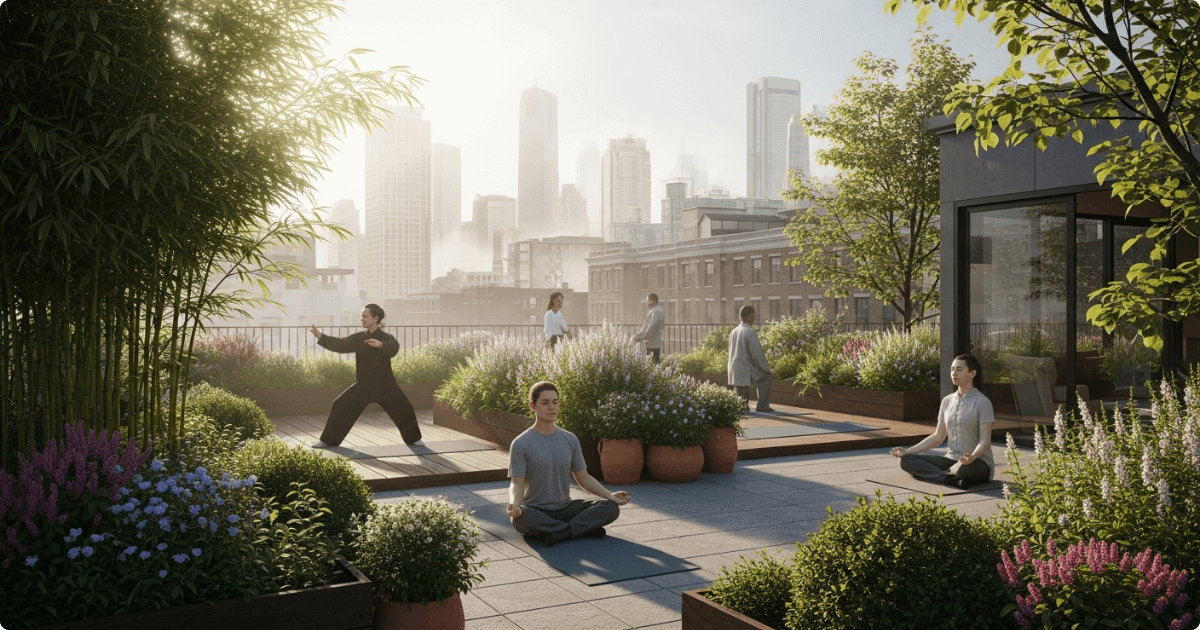
Many forest therapy practitioners draw inspiration from the pioneering work of Dr. Qing Li and ongoing forest bathing research, confirming that regular, mindful visits to restorative locations—whether in the wild or within city limits—bring measurable benefits to both mental and physical health. Your perfect forest bathing sanctuary may be closer than you think: a grove of native trees in a city park, a stretch of riverside woodland, or a peaceful rooftop garden can all unlock the profound health advantages of time spent in nature.
Conclusion
Forest bathing, rooted in Japanese tradition, invites us to slow down, awaken our senses, and deepen our mindful connection with the natural world. Modern research backs what ancient wisdom long understood: time in forests can lower stress, boost immunity, and restore both body and mind.
Anyone can benefit, whether exploring deep woods, a city park, or simply bringing greenery indoors. By intentionally engaging our senses and setting aside distractions, we experience profound well-being and balance.
As evidence and access grow, forest bathing becomes an accessible, powerful practice for today’s fast-paced lives. Take the first step into nature’s embrace and discover the lasting rewards it has to offer.
FAQ
1. What exactly is forest bathing, and how is it different from hiking?
2. What are the main health benefits supported by science?
3. Can I practice forest bathing if I live in a city or have limited mobility?
4. How do I get started with forest bathing for the first time?
5. Are there any precautions or situations where I should consult a professional?
References
- 1The Effects of Dynamic and Static Bathing (Shinrin-yoku) on Physiological and Psychological Health in Males and Females
- 2A comparative study of the physiological and psychological effects of bathing (Shinrin-yoku) on working age people with and without depressive tendencies


