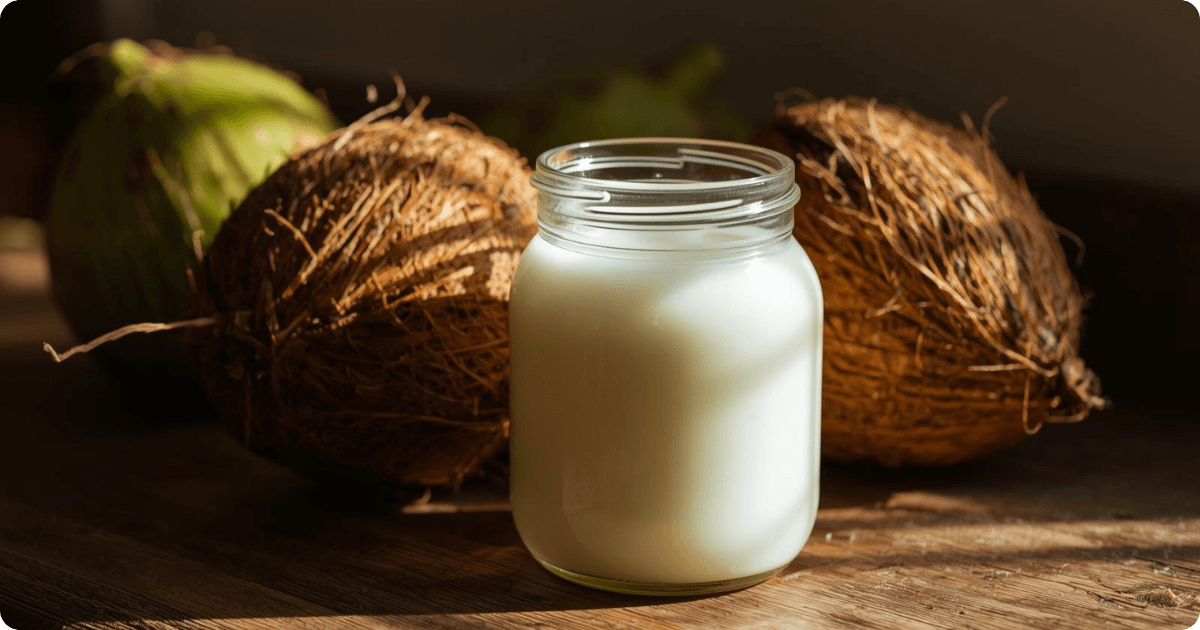


- Discover the Holistic Benefits of Coconut Oil for Health and Wellness
- Unlock Coconut Oil’s Power for Hair Care
- Promote Digestive Health and Fight Infections
- Boost Oral and Immune Health with Coconut Oil
- Explore Cognitive and Brain Benefits of Coconut Oil
- Make Smart Choices: Coconut Oil Types, Quality, and Safe Usage
- Conclusion
- FAQ
Have you ever wondered why coconut oil has become a staple in so many wellness routines—from kitchen cabinets to bathroom shelves? Maybe you’ve heard whispers about its “superfood” status or seen people swear by it for glossy hair and glowing skin. But what’s truly behind the rising popularity of coconut oil?
More than just a kitchen fat, coconut oil is rich in lauric acid, MCTs, and vitamin E—compounds that science links to benefits ranging from hair and skin health to metabolism, digestion, and even immunity. With so many claims out there, it’s easy to get overwhelmed or skeptical: is coconut oil really good for you?
In this article, we’ll explore the holistic benefits of coconut oil—backed by research, practical tips, and expert insight—so you can make smart, evidence-based choices for your health and wellness. Stick around to discover how coconut oil could become your next multi-tasking remedy, benefiting you inside and out.

Discover the Holistic Benefits of Coconut Oil for Health and Wellness
When we talk about the “holistic benefits” of coconut oil, we’re referring to its ability to support the body, mind, and overall well-being, rather than targeting just a single symptom or condition. This approach considers how coconut oil, whether applied topically or consumed as part of the diet, can impact various aspects of health at once.
Coconut oil’s popularity has surged in recent years as more people seek natural products for self-care. A big part of that appeal comes from its unique nutrient profile—including lauric acid, capric acid, medium chain triglycerides (MCTs), and the antioxidant vitamin E.
Lauric acid, for instance, makes up nearly 50% of the fatty acids in coconut oil, giving it potent antimicrobial properties. It’s MCTs, however, that are particularly valued for easy absorption and quick energy—making coconut oil useful for both cooking and topical use.
Scientific studies continue to shed light on coconut oil health benefits. Evidence suggests it can play a role in supporting heart health, skin barrier function, metabolic wellness, and even immune defense.
Current research highlights both established outcomes and promising new uses of coconut oil for wellness, prompting many to ask, “Is coconut oil good for you?” While results are generally positive, experts recommend choosing virgin coconut oil and using it as part of an overall healthy lifestyle rather than a cure-all solution.
Whether you drizzle a spoonful over your foods, smooth it onto skin and hair, or seek it out in wellness recipes, coconut oil offers a versatile and holistic way to enhance your daily health.

Unlock Coconut Oil’s Power for Hair Care
Coconut oil’s impact on hair health is one of its most celebrated benefits, thanks to its remarkable ability to moisturize, condition, and strengthen hair from root to tip. It penetrates the hair shaft more deeply than most other oils, providing lasting hydration and reducing protein loss that leads to breakage.
The key to coconut oil’s effectiveness is lauric acid—a medium chain fatty acid with a unique molecular structure that allows it to bond well with hair proteins. According to research, coconut oil outperforms sunflower and mineral oils not only in moisturizing but also in directly protecting the hair fiber itself. As explained in research on lauric acid, it can prevent hair from breakage by forming a protective layer that blocks environmental damage.
Scientific investigations, including a “Single Hair Fiber Assessment” study, have highlighted coconut oil’s role in repairing damaged strands and reducing split ends. Regular use has also been linked to less dandruff and a healthier scalp, in part due to coconut oil’s antifungal properties.
Compared to olive oil or argan oil, coconut oil is uniquely capable of deeply entering the hair’s inner structure, while also offering antioxidant benefits.
If you want to keep your hair strong and shiny, apply a small amount of virgin coconut oil—about a pea-sized portion for short hair or a teaspoon for longer locks—focusing on the mid-lengths and ends. For best results, massage it in two to three times weekly, leaving it on at least an hour (or overnight) before washing out with a gentle shampoo.
Choose unrefined, organic coconut oil for maximum potency, and adjust frequency if you have fine hair to avoid flatness. Every hair type responds differently, so start slow and observe how your hair feels afterward.
By making coconut oil a regular part of your hair care regimen, you can enjoy hair that looks healthier, feels softer, and stands up better to daily stress.

Improve Skin Health Naturally with Coconut Oil
Coconut oil has earned a reputation for its ability to deeply moisturize and protect the skin, making it a favorite among people looking for more natural skin care solutions.
Its unique combination of fatty acids—particularly lauric, capric, and caprylic acid—help lock in moisture and reinforce the skin’s protective barrier.
When used topically, coconut oil acts as an emollient, softening rough patches and alleviating dryness.
The antioxidant properties of coconut oil are largely due to its vitamin E content and the presence of specific fatty acids, which can help neutralize free radicals that contribute to premature aging and skin damage.
Natural Eczema treatment
Because of its anti-inflammatory effects, coconut oil is sometimes used to calm irritated skin, lessen redness, or soothe the discomfort of eczema and sun exposure.
Multiple studies—including a review of natural oils for skin barrier repair—have shown that coconut oil can effectively support the healing and restoration of the skin’s protective layer, which is crucial for people suffering from eczema or chronic dryness.
Applying just 6–8 drops of virgin coconut oil to damp skin after cleansing is often enough to reap its moisturizing benefits without feeling greasy.
For those who want a richer experience, incorporating coconut oil as an ingredient in body butter with essential oils can make for a luxurious, nourishing treatment.
Hydration
Applying coconut oil to your skin helps reduce water loss, which combats dryness. Its C12 component has antimicrobial effects, so it can also soothe irritations like razor burn. Use it like a lotion—apply it topically and it will form a natural barrier that helps retain skin moisture. However, coconut oil can clog pores. While it hydrates, it is not effective for preventing acne and may contribute to blackheads and whiteheads, signs of inflammatory acne.
However, not everyone’s skin responds in the same way.
If you have sensitive or oily skin, be aware that coconut oil is considered moderately comedogenic, meaning it may clog pores and contribute to breakouts, especially for people prone to acne.
Allergic reactions, while rare, can occur—symptoms include itching, redness, or rash after application.
It’s best to patch test coconut oil on a small area before widespread use and consult with a dermatologist if you have chronic skin conditions or concerns.

Support Weight Management and Metabolism with Coconut Oil
Coconut oil’s role in supporting weight management is closely tied to its content of medium chain triglycerides, or MCTs.
Unlike long-chain fatty acids, MCTs are quickly absorbed and converted by the liver into energy—rather than being stored as fat—potentially giving a modest boost to calorie burning.
Research suggests that incorporating MCTs in the diet may help increase the body’s metabolism, and several small studies have shown that people may feel fuller and eat less overall when consuming coconut oil as part of their meals.
For example, in one clinical trial, participants who consumed MCTs experienced reduced waist circumference and greater satiety compared to those consuming other types of fats.
Still, it’s important to set realistic expectations.
While coconut oil can play a part in promoting satiety and slightly raising metabolism, current evidence for coconut oil’s direct impact on significant weight loss is limited and mixed—some studies do not show much difference compared to other fats.
Many misconceptions exist: coconut oil is calorie-dense, and consuming large amounts can easily lead to excess calorie intake, potentially counteracting any metabolic benefits.
Moderation is key, and coconut oil should complement—rather than replace—other healthy fats and oils in your diet.
If you’re seeking ways to safely add coconut oil to your routine, consider these tips:
- Use 1 teaspoon to 1 tablespoon daily at first, added to smoothies, stirred into oatmeal, or used to sauté vegetables.
- Opt for virgin, unrefined coconut oil for maximum nutrient content and flavor.
- Avoid deep-frying or adding large amounts to your diet without consulting a healthcare professional, especially if you have high cholesterol or underlying health conditions.
Be mindful of balance—coconut oil works best as part of an overall healthy eating plan focused on whole foods, plenty of fruits and vegetables, and regular physical activity.

Promote Digestive Health and Fight Infections
Coconut oil’s distinct fatty acid composition, especially its high levels of lauric acid, gives it impressive antimicrobial, antifungal, and antibacterial properties. These characteristics make coconut oil a standout option when considering natural ways to support digestive health and defend against harmful microbes.
When consumed, lauric acid is converted in the body to monolaurin—a compound shown in research studies to help destroy bacteria, viruses, and fungi. This action can benefit the gut by targeting potentially harmful bacteria, such as Clostridium difficile and Helicobacter pylori, while helping to preserve beneficial gut flora.
A balanced gut microbiome is essential for digestion, absorption of nutrients, and immune function. By promoting healthy bacteria and curbing overgrowth of pathogens, this oil may support smoother digestion and even alleviate issues like bloating or mild discomfort. Some people have reported improvements with certain digestive troubles—including mild forms of acid reflux—when adding coconut oil in small amounts to their diet.
Additionally, coconut oil’s antifungal effects may help combat candida overgrowth, which sometimes contributes to digestive disturbances. The medium chain triglycerides (MCTs) found in coconut oil are quickly absorbed by the body, providing a direct source of fuel and potentially easing the burden on the digestive system compared to longer-chain fats.
However, it’s important to note that it can cause digestive upsets—such as loose stools or cramping—for some people, especially if consumed in excessive amounts or introduced too suddenly. Starting with small servings (like a teaspoon a day) and observing your body’s response can minimize discomfort.
While it isn’t a cure-all, its research-backed capabilities for controlling harmful bacteria and supporting overall gut health make it a valuable addition to a comprehensive approach for digestive wellness.

Boost Oral and Immune Health with Coconut Oil
A traditional practice called “oil pulling” has recently gained backing from modern science—particularly when using coconut oil for oral hygiene. Oil pulling involves swishing a tablespoon of oil in the mouth for 10–20 minutes, and research suggests the habit can significantly benefit dental health.
The unique antimicrobial powers of coconut oil, mainly due to lauric acid, help reduce plaque formation, combat cavity-causing bacteria like Streptococcus mutans, and reduce inflammation of the gums. According to a research study on coconut oil and oral health, regular oil pulling led to measurable decreases in plaque and gingivitis after just a few weeks. Another study on the benefits of oil pulling for oral health found substantial improvements in oral bacteria levels, halitosis (bad breath), and even minor bleeding of gums.
Beyond the mouth, coconut oil benefits are its antiviral, antifungal, and antibacterial properties provide support for the body’s immune system. Lauric acid and its derivative, monolaurin, have demonstrated the ability to fight off pathogens both in laboratory and animal studies. Consuming the oil in moderation can thus contribute to building a stronger natural defense against common infections.
To incorporate coconut oil into your personal health routine:
- Try oil pulling in the morning before eating or brushing your teeth.
- Use about a tablespoon of virgin oil, swish it around your mouth, and spit it out when done (do not swallow).
- For immune support, use it in cooking or smoothies, keeping serving sizes moderate (1–2 tablespoons daily for most adults).
Always introduce coconut oil gradually to see how your body reacts, and consult your dentist or doctor if you have underlying dental or health concerns before starting oil pulling. With consistent use, coconut oil can be a safe and effective way to promote both oral hygiene and immune defense.
Oral Hygiene
This oil-pulling routine can help cleanse the mouth, lift plaque and freshen breath, and may lower the risk of cavities and gum problems like gingivitis. It can also help reduce inflammation and fight the common oral fungus Candida albicans. Alternatively, you can make a simple homemade toothpaste by combining the oil with baking soda.



Explore Cognitive and Brain Benefits of Coconut Oil
Interest in coconut oil as a “brain food” continues to grow, but it’s important to understand what science actually says. Some researchers believe that coconut oil may help boost brain function because of the way its medium-chain triglycerides (MCTs) are processed in the body.
When you consume MCTs, your liver converts them into ketones—a type of alternative energy fuel for the brain. This has prompted interest in coconut oil’s role for conditions where brain energy use changes, such as epilepsy and Alzheimer’s disease.
There are promising, yet limited, studies exploring these ideas. For example, some small trials suggest that ketogenic diets (which encourage the production of ketones) may help manage symptoms or slow progression in conditions like Alzheimer’s. Coconut oil, thanks to its MCT content, can raise ketone levels, though not as dramatically as a full ketogenic diet. There’s also animal research and case reports supporting potential benefits, particularly for neurological health and seizure management.
However, it’s crucial to know that evidence remains inconclusive. Major health organizations and many experts urge caution, noting that most research is preliminary or involves small sample sizes. No large-scale clinical trial has proven that coconut oil significantly improves memory or prevents neurodegenerative diseases in humans.
If you’re interested in practical steps for cognitive health, it’s best to focus on proven strategies like regular exercise, balanced nutrition, and stress management. Coconut oil might be a supportive addition, but it shouldn’t be relied upon as the primary approach. For more scientific details on the subject, you may find this study exploring coconut oil and its potential to boost brain function informative. Always talk with a healthcare provider before using coconut oil as a cognitive supplement, especially if you or a loved one have neurological conditions.

Make Smart Choices: Coconut Oil Types, Quality, and Safe Usage
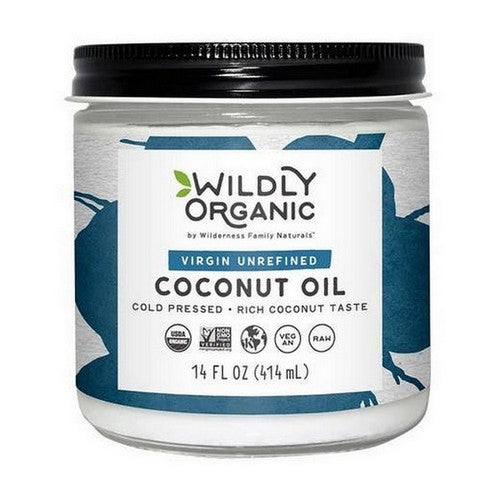
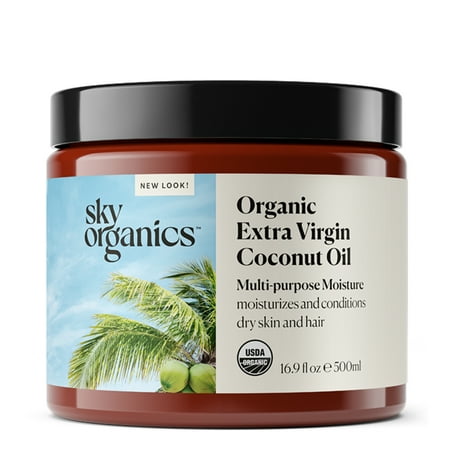
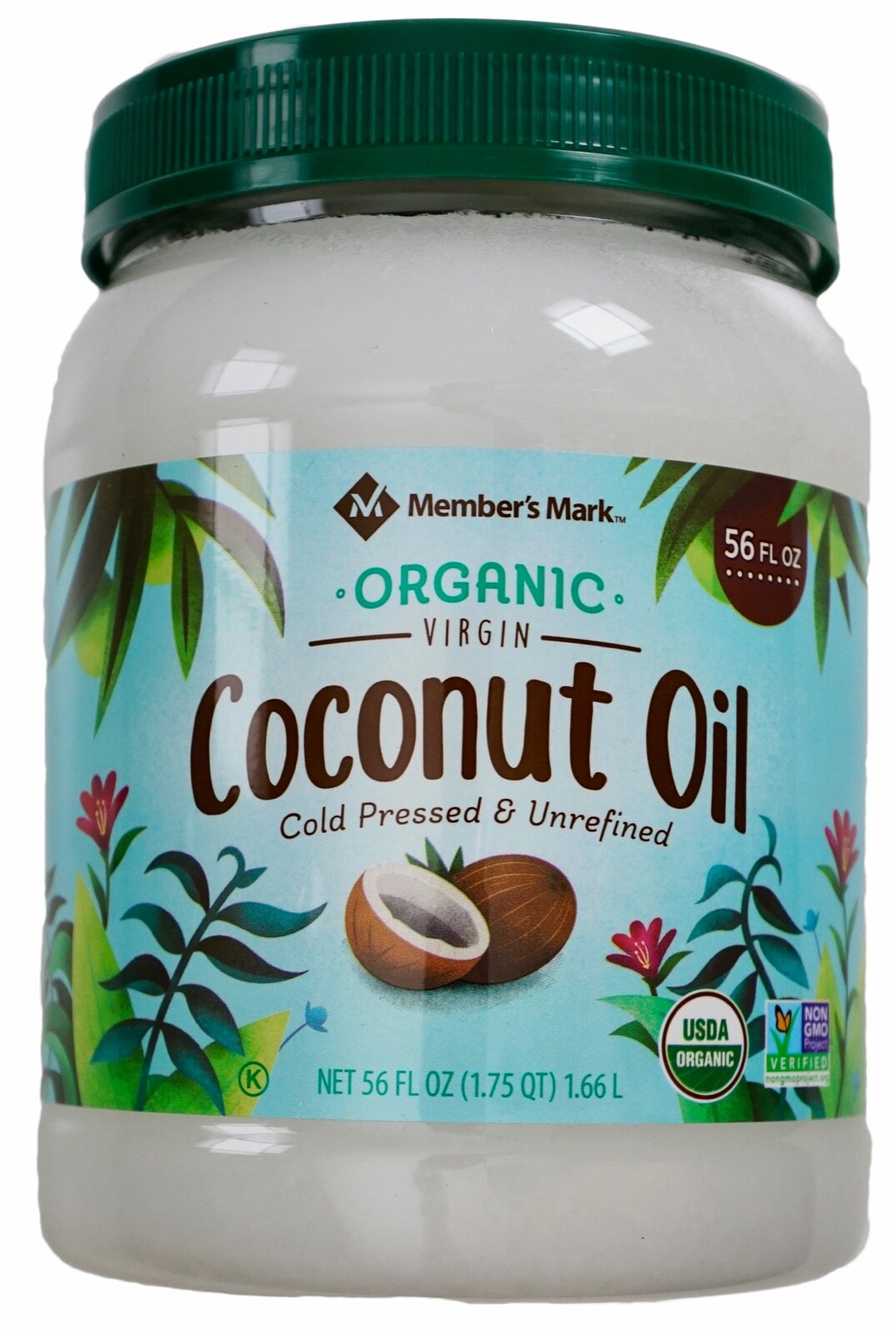
Not all coconut oils are created equal, and selecting the right type makes a difference for both health and practical applications. It comes in several varieties, including virgin, refined, and fractionated forms—each with its own properties and uses.
Virgin coconut oil is made from fresh coconut meat or milk and is minimally processed, helping retain natural compounds and antioxidants. It has a rich coconut flavor and is best for uses where these qualities are desired, like in baking or as a skin moisturizer.
Refined oil is processed from dried coconut (copra), undergoes further filtering and bleaching. This type is more neutral in taste and has a higher smoke point, making it more suitable for high-heat cooking, but it contains fewer beneficial phytonutrients.
Fractionated oil is liquefied at room temperature, as the longer-chain fatty acids have been removed. It’s popular for cosmetic and massage uses since it absorbs quickly and remains stable.

Heart Health
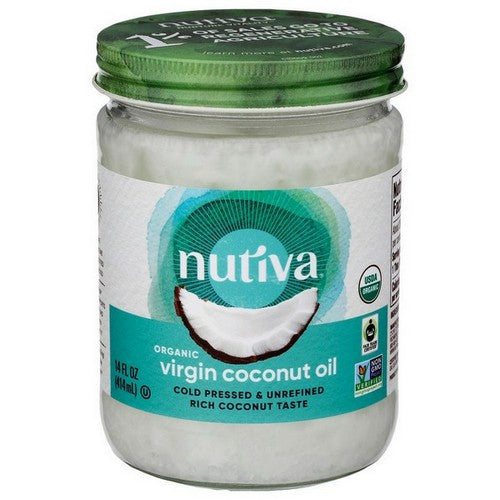
When shopping for coconut oil, prioritize quality—look for labels like organic, cold-pressed, extra-virgin, and fair-trade for purity and ethical sourcing. High-quality oils are less likely to contain impurities or potentially harmful chemical residues. To ensure safety, stick to moderate intake: most research suggests up to 1–2 tablespoons daily can be part of a balanced diet for healthy adults. For children, pregnant women, or people with medical conditions (such as high cholesterol or heart disease), consult a doctor first.
It’s worth noting that, while it offers potential wellness benefits, it is high in saturated fat. Both the American Heart Association (AHA) and World Health Organization (WHO) recommend limiting saturated fat—including coconut oil—in diets aimed at lowering cardiovascular risk. Regular overconsumption may raise LDL (“bad”) cholesterol levels for some individuals, so keep portions moderate and balance your fat sources.
Common side effects are rare but can include mild digestive upset or, less frequently, allergic reactions—especially with topical use. If you’re allergic to coconut, avoid the oil altogether. Always perform a patch test before applying it to large areas of skin.
For anyone interested in integrating coconut oil within a holistic approach, using it alongside other natural remedies can round out your wellness routine. Choose the right type for your needs, be mindful of expert recommendations, and, whenever in doubt, check with your healthcare professional.

Conclusion
Coconut oil stands out as a versatile natural remedy, offering a range of potential benefits for hair, skin, metabolism, digestion, oral health, and even cognitive function. Its unique nutrient profile—featuring lauric acid, MCTs, and vitamin E—helps explain its effectiveness in so many holistic wellness routines.
While emerging research continues to uncover new possibilities, it’s important to choose high-quality oil and practice moderation for safety. Whether you’re looking to nourish your body inside or out, coconut oil is worth considering as a valuable part of a balanced, mindful lifestyle.
Evaluate your own needs and consult reliable sources or healthcare professionals if you’re unsure—then enjoy exploring what this oil can do for your well-being.


