


- Understand Qigong: Core Practices and Origins
- Connect Qigong to Traditional Chinese Medicine (TCM)
- Exercises For Qigong "Eight Pieces of Silk"
- Proven Qigong Health Benefits
- How Qi Flows: The Science and Philosophy of Energy
- Compare Qigong with Tai Chi, Yoga, and Other Mind–Body Practices
- Start Practicing Qigong: Step-by-Step Guide for Beginners
- Weigh Precautions, Risks, and Who Should Avoid Qigong
- Conclusion
- FAQ
Ever find yourself searching for a gentle way to reduce stress, boost your energy, or improve overall health—without spending hours in a gym or mastering complex routines? That’s where qigong comes in, blending mindful movement, deep breathing, and meditative focus into a time-honored practice with roots in traditional Chinese medicine.
For thousands of years, people have turned to qigong not just for fitness, but for nurturing the body’s vital energy—what TCM calls “qi”—to promote holistic wellness. Today, science is starting to catch up, revealing how these ancient skills support immunity, balance, and mental clarity.
If you’re curious about how qigong works, what makes it unique, and how it might help you feel your best, you’re in the right place. Let’s explore qigong health benefits and core practices and then find out exactly how you can get started.
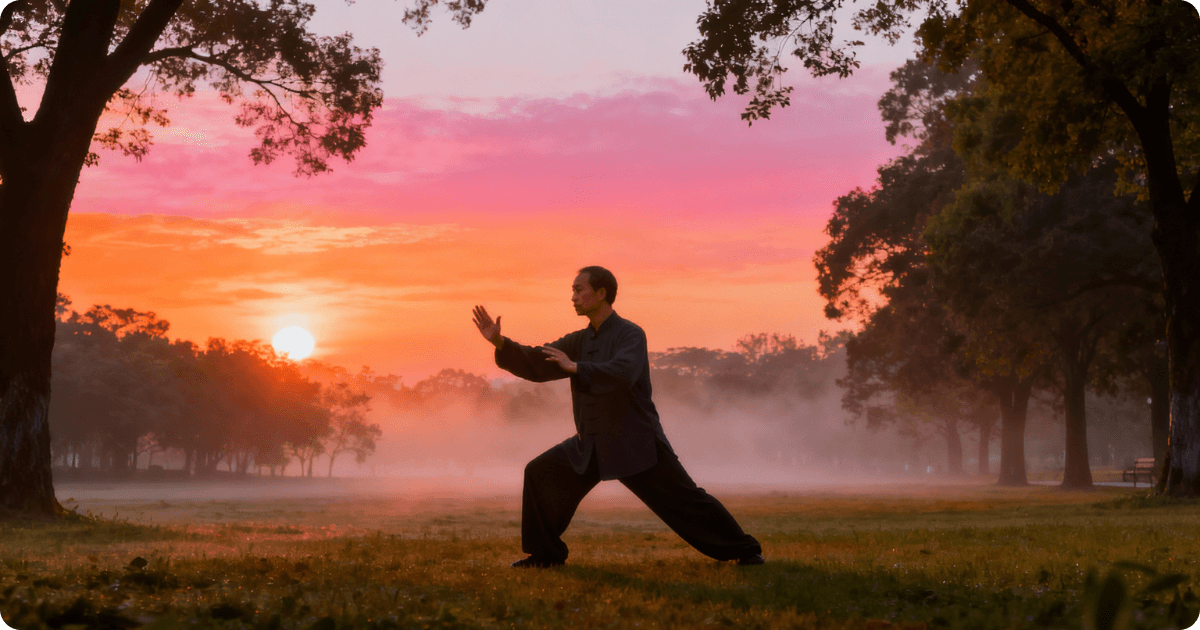
Understand Qigong: Core Practices and Origins
Qigong is a holistic mind–body practice rooted in ancient Chinese philosophy and medicine. Its name translates literally as “energy work” or “cultivating vital energy,” referring to the conscious control and enhancement of life force, known as qi.
At its core, Qigong combines three essential practices:
- Breathwork: Using slow, deep breathing to calm the mind and regulate the flow of qi.
- Gentle movement: Coordinated, flowing actions engage muscles and joints, improving physical health without strain.
- Meditative focus: Mindful attention helps anchor the body and breath, promoting deeper awareness and presence.
Historically, Qigong originated in China thousands of years ago, with roots tracing back to ancient shamanic and Taoist rituals that emphasized harmony between humans and nature. Over time, these practices evolved into various schools—some spiritual and philosophical, others medical or martial, each refining techniques for cultivating qi.
While Qigong has long been a pillar of health and longevity in Eastern cultures, it has gained global attention as research highlights its impact on physical and mental wellness. Modern adaptations often blend traditional wisdom with scientific approaches, making Qigong accessible to diverse communities.
Ultimately, the goal of Qigong is to enhance and balance vital energy, supporting the body’s natural ability to heal, prevent illness, and sustain well-being on all levels—physical, mental, and spiritual.
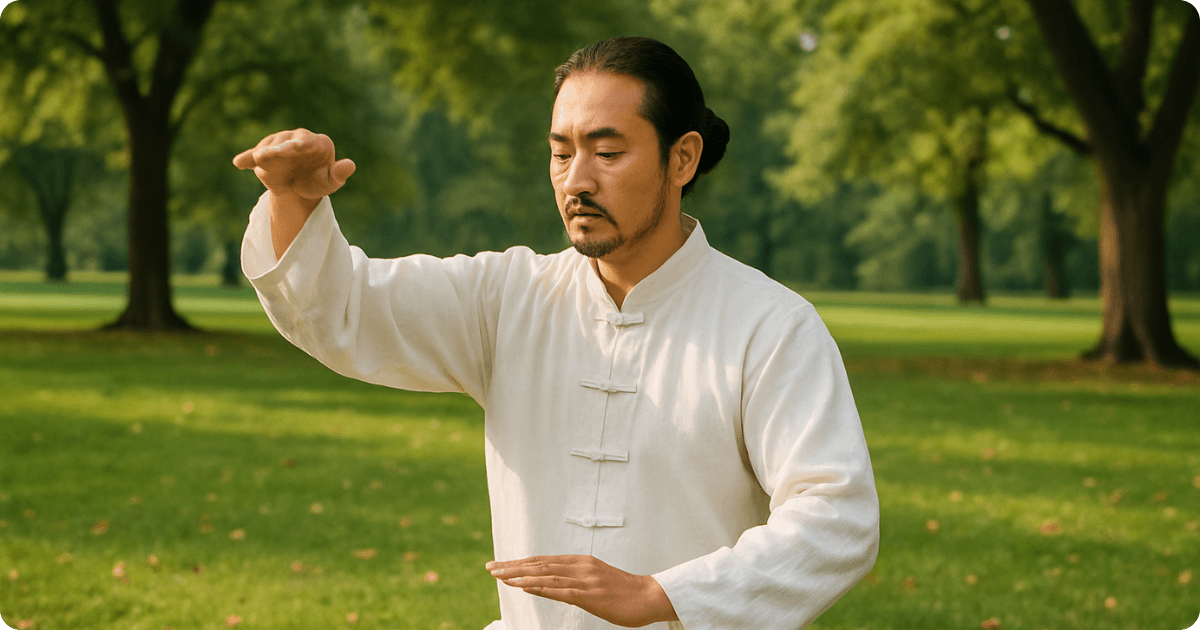
Connect Qigong to Traditional Chinese Medicine (TCM)
Qigong plays an essential role within the theory and practice of traditional Chinese medicine (TCM). In TCM, the concept of qi is the foundation of understanding health—qi is seen as a vital life force that animates the body and flows through an intricate network known as meridians.
According to TCM, illness arises when qi becomes blocked, stagnant, or imbalanced. Qigong exercises are designed to cultivate, circulate, and harmonize this energy, much like acupuncture or herbal remedies, to restore balance along these meridian pathways.
Health, from the TCM perspective, is a state of continuous energetic flow and dynamic equilibrium—disease manifests when this flow is hindered. Qigong’s gentle movements, coordinated breath, and mindful awareness work together to remove obstacles to qi, thereby supporting organ vitality and overall wellness.
There are many varieties of Qigong, each tailored to different needs and philosophies:
- Dynamic (Active) Qigong: Involves movement, stretches, and postures, often practiced for fitness, rehabilitation, or martial arts training.
- Meditative (Passive) Qigong: Focuses on stillness, breathing, and visualization, emphasizing mental and emotional regulation.
- Therapeutic Qigong: Prescribed by TCM practitioners for specific health concerns and recovery.
- Martial Qigong: Strengthens body and mind for martial arts performance and resilience.
- Spiritual Qigong: Explores self-cultivation and awakening beyond the physical body.
Numerous studies and institutional reviews—such as those featured by the National Center for Complementary and Integrative Health—point to Qigong’s positive impact on health outcomes, particularly for chronic conditions, pain management, and quality of life.
By situating Qigong within TCM’s holistic system, practitioners and newcomers alike can appreciate its integrative approach to cultivating vitality, managing stress, and fostering balance through mind and body.
Explore Popular Qigong Forms and Exercises
Qigong encompasses a wide range of forms, suited for different goals, abilities, and health needs. Among the most practiced routines is the “Eight Pieces of Silk Brocade” (Ba Duan Jin), a foundational sequence passed down for centuries.
The Eight Pieces consists of eight distinct movements, each crafted to gently stretch, twist, and strengthen the body while nurturing internal organs. For example, “Two Hands Hold Up the Heavens” targets lung and digestive function, while “Drawing the Bow to Shoot the Hawk” stimulates circulation and the kidneys. Each movement is performed with deep, mindful breathing, which promotes relaxation and helps balance the body’s energy centers.

Exercises For Qigong “Eight Pieces of Silk”
The exercises are said to benefit the internal organs, improve blood circulation, strengthen the muscles and bones, regulate the nervous system, and enhance immunity. The exercises are:
- Two hands upholding the sky: This exercise stretches the spine and stimulates the lungs and heart.
- Pulling the bow: This exercise opens the chest and shoulders and strengthens the arms and back.
- Crane spreading its wing: This exercise balances the left and right sides of the body and improves coordination and flexibility.
- Looking backward: This exercise relaxes the neck and shoulders and invigorates the brain and kidneys.
- Left and right swing: This exercise massages the abdomen and liver and aids digestion and detoxification.
- Up and down stretch: This exercise tones the legs and waist and activates the energy centers along the spine.
- Diagonal knock: This exercise clears the head and sinuses and stimulates the ears and eyes.
- Toe and heel bounce: This exercise shakes off tension and fatigue and boosts vitality.
Enhancing Physical Fitness
Baduanjin qigong is a form of qigong that emphasizes body postures and movement. A 2016 review examined earlier studies to assess how this practice might influence overall fitness. The researchers found evidence that Baduanjin qigong can enhance balance, handgrip strength, torso flexibility, blood pressure, and resting heart rate.
These improvements were observed in studies involving both younger and older adults. Since qigong is relatively low-impact, it can be a good exercise option for people with limited mobility or stamina.
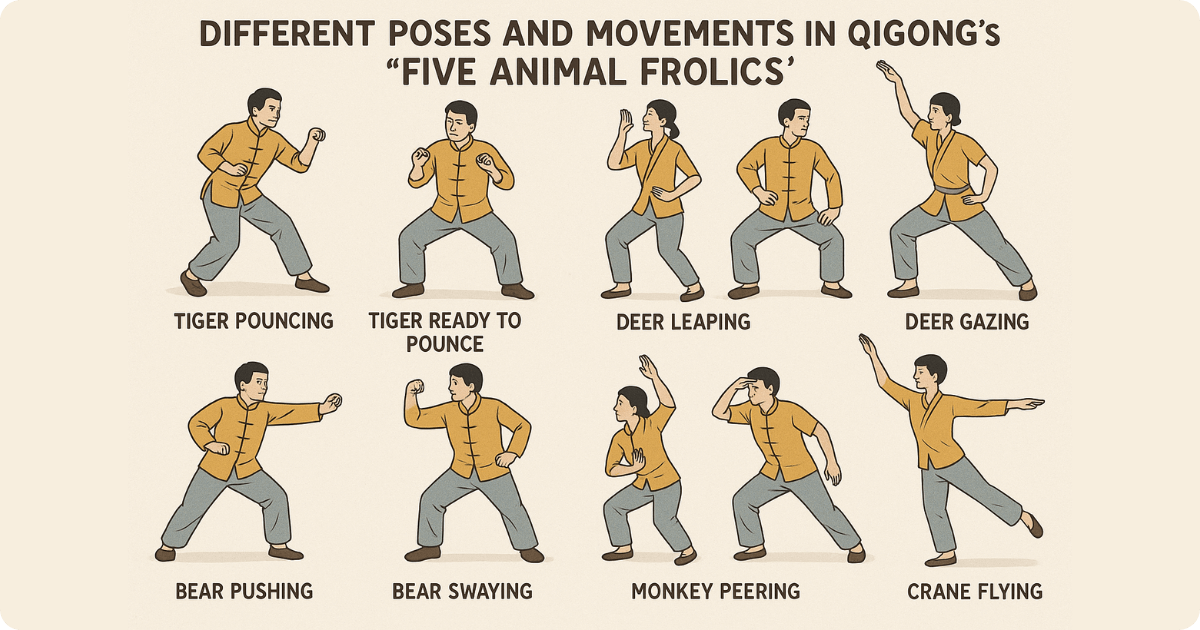
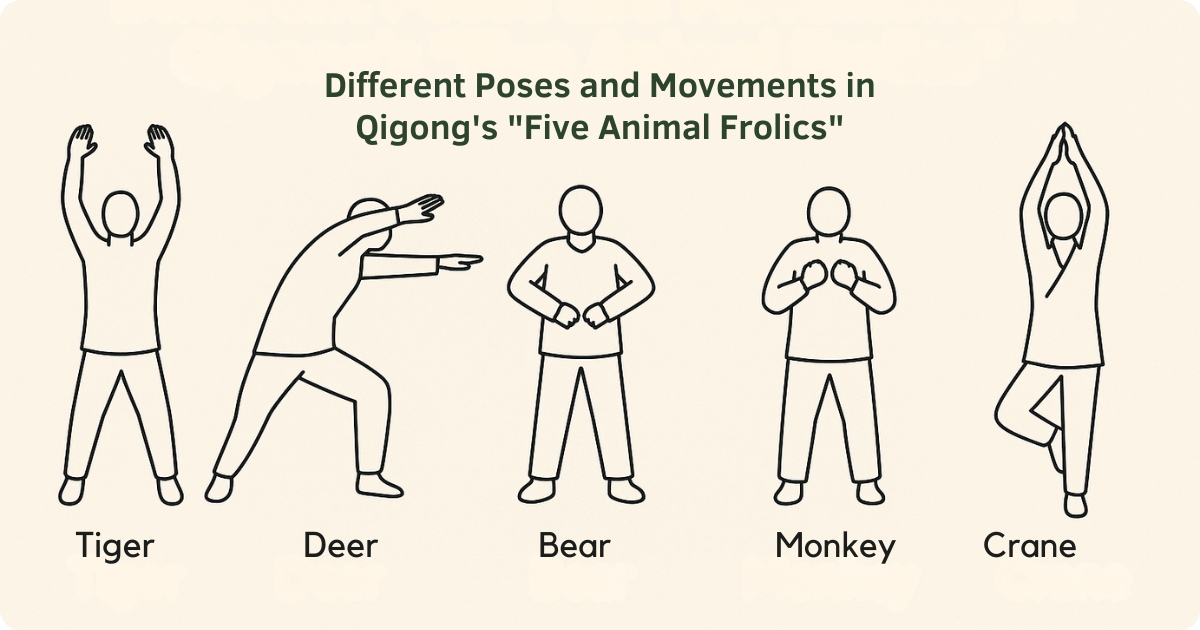
A popular set in Qigong is the Five Animal Frolics, inspired by the natural movements of the tiger, deer, bear, monkey, and bird. This series encourages playful, flowing motion, supporting joint mobility and boosting immunity. Both sequences are adaptable for all ages, and even those with limited mobility can benefit from chair-based or modified standing postures.
Qigong’s forms emphasize a gentle, accessible approach. You don’t need strength or flexibility to begin—consistency and intention matter most.
Whether you’re seeking stress relief, improved balance, or a boost to overall energy and immunity, these exercises lay the groundwork for a holistic practice. Beginners often discover that slow, mindful movement quickly brings a sense of calm and vitality, making Qigong a lifelong resource for wellness.
Proven Qigong Health Benefits
Current research consistently points to a wide range of health benefits associated with regular Qigong practice. Adults who integrate Qigong into daily routines experience improvements in both physical and mental well-being.
Health Benefits Overview
Multiple studies and reviews—including A Comprehensive Review of Health Benefits of Qigong and Tai Chi—highlight these evidence-based effects:
- Increased balance and reduced risk of falls, especially for older adults
- Significant stress relief and anxiety reduction, with some trials showing marked improvement within weeks
- Enhanced sleep quality and duration
- Strengthened immune function and faster recovery from common illnesses
- Improved cardiovascular health, such as lower cholesterol and reduced risk of heart disease
- Better mental clarity, focus, and memory
Qigong is also recognized for its role in managing specific health conditions. For instance, people living with arthritis often report less pain and greater flexibility after consistent practice. Clinical trials show that Qigong can help lower blood pressure and prevent hypertension, and those struggling with depression or chronic pain report measurable symptom relief.
It’s important to differentiate between what has been proven in modern studies and traditional claims. Qigong health benefits have long promised enhanced energy and holistic balance, but now, scientific reviews are catching up with what practitioners have observed for generations.
Benefits for Cancer Patients
A 2017 review and meta-analysis examining tai chi and qigong for cancer survivors found that both practices seem to enhance quality of life. The researchers reviewed 22 earlier studies encompassing 1,200 participants. Practice of tai chi and qigong was associated with reductions in depression, fatigue, and sleep problems.
A study reported that breast cancer patients who practiced qigong twice weekly for 10 weeks experienced larger gains in quality of life than those who received only standard medical care. Those who added qigong to their treatment also reported reduced tension, anxiety, depression, and fatigue. These findings align with other research connecting mindfulness, breathing exercises, and yoga to lower stress. The authors also point out that healthcare providers commonly recommend physical activity to help reduce fatigue and improve quality of life for people with cancer.
Regular practice—just a few minutes a day—can be enough to experience noticeable improvements in overall vitality, resilience, and the body’s natural healing abilities.

Alleviating Anxiety and Depression
Because qi gong encourages slowing down and cultivating presence, it may support overall mental well-being. A review and meta-analysis of randomized controlled trials found that qigong can reduce anxiety and stress in healthy individuals. Two of the included studies suggest qigong may reduce anxiety more quickly than simply listening to music or doing structured movements. However, the authors caution against overgeneralizing these results due to the small number of studies.
A systematic review and meta-analysis published in November 2019 in Frontiers in Psychiatry examined nine studies involving people with depression—most were otherwise physically healthy, while some had breast cancer or hypertension. Five of the nine studies reported reductions in depressive symptoms; the other four found no change. Participants who improved typically practiced qigong at least twice weekly.
Although each study proposed different mechanisms for qigong’s effects on depression, the authors consider the most plausible explanation to be activation of the parasympathetic nervous system and regulation of the sympathetic nervous system. When the sympathetic system is overactive, the immune system releases higher levels of cytokines (inflammatory proteins), and research suggests this inflammation can lead to brain changes associated with depression.
A review published in July 2019 in Frontiers in Immunology also found evidence supporting the idea that inflammation may contribute to certain forms of depression and fatigue.
Immune System Support
Because qigong involves slower movements thought to lubricate joints and encourage circulation of key bodily fluids (such as blood, lymph, and synovial fluid), it may help strengthen the immune system.
A systematic review and meta-analysis published in Medicines in July 2020 examined 19 randomized controlled trials that included 1,686 participants of different ages and health statuses. The researchers found evidence that qigong practice can have a positive effect on immune function and inflammatory responses. Specifically, those who practiced qigong showed increases in immune cell counts and better regulation of inflammation-related hormones, although the effect size was small.
The authors reported that participants needed about four weeks of qigong to observe changes in immune response. Because the studies used varied parameters and did not investigate the mechanisms behind qigong’s effects on immunity, further research is required to clarify this possible benefit.
Managing Chronic Pain
Qigong may help relieve certain types of pain, including chronic pain, although further studies are required.
According to TCM, qi can become stuck in tight, sore muscles and joints, and the low-impact postures in qigong gently introduce movement to those areas. Boosting movement increases circulation, which helps promote healing.
A 2019 review of earlier research on qigong for chronic pain found it could provide some benefit. In another 2019 study of 72 office workers with low back pain, half attended qigong classes for six weeks while the others did not. By the end of the study, the workers who took qigong classes saw significant improvements in pain, function, range of motion, and core muscle strength. The control group didn’t experience changes within these parameters.
Blood Pressure Reduction
Hypertension, or high blood pressure, is a leading risk factor for heart disease, per the Centers for Disease Control and Prevention. Lifestyle factors such as physical inactivity and chronic stress can raise blood pressure and eventually lead to hypertension, the Mayo Clinic notes. Adding mind–body practices like qigong to your wellness routine—alongside conventional medical treatments, including medications and standard exercise—may help lower blood pressure to a healthier range.
A review and meta-analysis published in January 2021 in BMC Complementary Medicine and Therapies found that qigong may reduce blood pressure in people with hypertension. Notably, one of the seven studies in the review reported that qigong produced blood-pressure effects similar to a traditional exercise program, potentially aiding heart health through repetitive movements that enhance circulation. Qigong’s deliberate breathwork may also help reduce blood pressure and stress.
Slow, deep breathing soothes the sympathetic (fight-or-flight) branch of the autonomic nervous system—which controls functions like digestion, breathing, and blood pressure—and activates the parasympathetic (rest-and-digest) response. When the parasympathetic system engages, heart rate and blood pressure fall. A well-balanced parasympathetic nervous system can lower the risk of heart disease and stroke, according to the Hospital for Special Surgery.
In a report for Everyday Health Lauren Bedosky spoke to Chris Bouguyon, co-founder of SimplyAware Wellness and Training Center in Richardson, Texas, president of the NQA, and a certified medical qigong therapist who focuses on trauma. He says “Taking active control of the autonomic nervous system is one of the most powerful tools we have for stress management, and I know of no other practice that does this as beautifully as qigong,”

How Qi Flows: The Science and Philosophy of Energy
Qi, often described as our vital life energy, moves through the body along specific pathways known as meridians. These meridians are similar in concept to the channels found in other traditions, such as the nadis in yoga or the 7 major chakras in Indian systems.
Traditional Chinese medicine views balanced and free-flowing qi as essential for good health. When qi is blocked or stagnates, it can lead to physical and emotional problems.
Blockages may be caused by stress, trauma, poor diet, or lack of movement. Qigong practices are designed to gently restore the flow of qi by combining mindful movement, breathwork, and intention. For example, slow, sweeping arm motions might “open” a specific meridian, while focused breathing can clear stagnation in another area.
Think of qi like water flowing in a network of streams; when debris clogs a stream, the water pools and stagnates, but with gentle clearing, flow is restored. This same metaphor applies to how qigong clears blockages, aiming for harmony throughout the body.
Modern Western medicine is increasingly studying concepts like qi and meridians, especially through modalities such as acupuncture and energy healing. Though scientists may use terms like “biofield,” research has begun to recognize measurable effects of practices meant to enhance life energy and support wellness.
Compare Qigong with Tai Chi, Yoga, and Other Mind–Body Practices
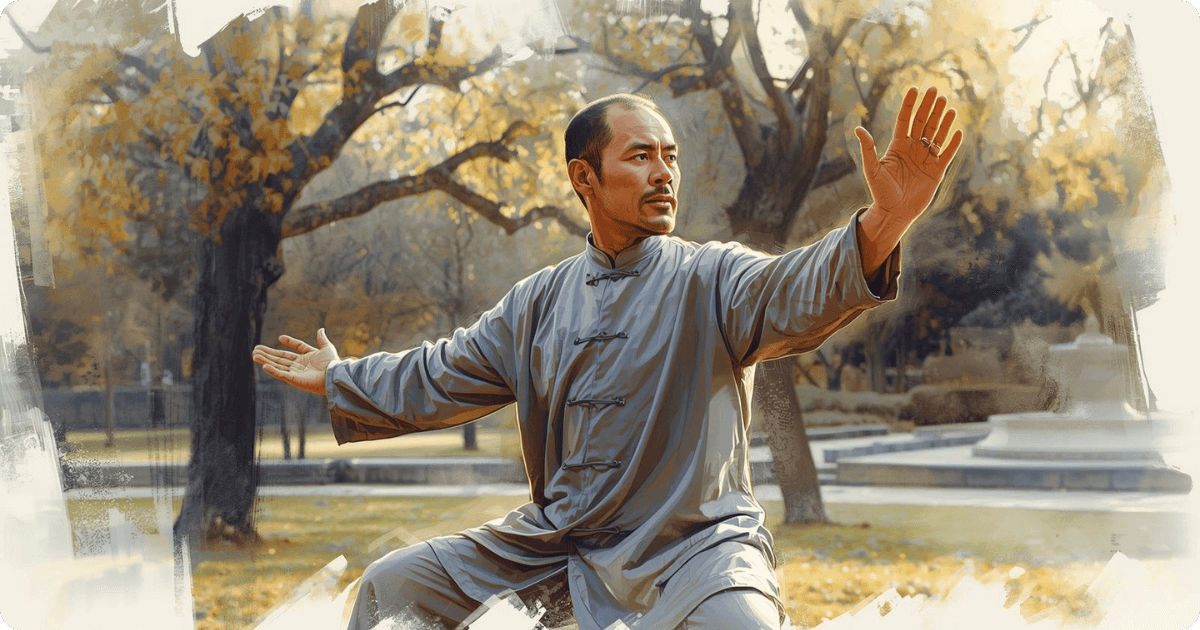
Qigong, Tai Chi, and Yoga are all revered mind–body therapies, but they have key differences in focus, techniques, and goals.
Qigong is rooted in cultivating qi, or life energy, primarily through gentle movements, conscious breathing, and meditative awareness. Its routines are often simple and repetitive, suitable for all ages and ability levels, including those with limited mobility.
Tai Chi, evolving from martial arts traditions, features more complex, flowing sequences designed to harmonize movement with breath and enhance balance. While both Qigong and Tai Chi foster calm and health, Tai Chi is more structured and frequently practiced as a slow-motion “shadow boxing,” whereas Qigong can be deeply meditative or more vigorous, depending on the tradition.
Yoga, originating in ancient India, also aims for mind–body harmony but tends to emphasize physical flexibility, posture (asanas), and spiritual awakening through an array of physical, breathing, and concentration techniques. Unlike Qigong, which focuses on moving and balancing qi, yoga prioritizes the opening of energy centers (chakras) and the cleansing of energy lines (nadis).
Comparative studies suggest all three practices reduce stress and enhance well-being, but the optimal choice depends on your personal goals:
- If you seek gentle movement and energy balancing, Qigong may be ideal.
- For martial artistry or improving balance, Tai Chi offers more dynamic routines.
- If flexibility, core strength, or spiritual exploration appeals to you, yoga might be the best fit.
When considering the ongoing debate of Qigong vs Tai Chi, experts agree each serves as a valid pathway within the broader spectrum of mind–body therapy. Experimenting with the different modalities, or even combining them, can support a more comprehensive approach to holistic health.
Start Practicing Qigong: Step-by-Step Guide for Beginners
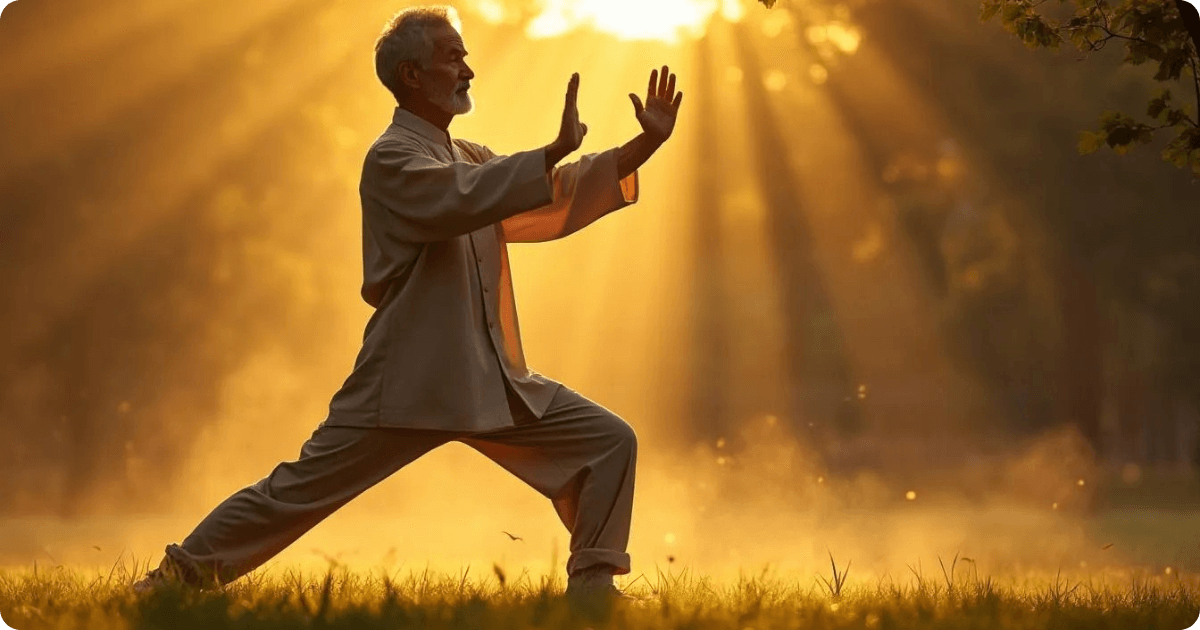
Launching your Qigong journey can feel both exciting and a bit intimidating, but a clear, structured approach makes it accessible to everyone. Start by designating a quiet, comfortable space—indoors or outside—where you can move freely without distractions.
Begin your practice with the simplest form: standing with feet shoulder-width apart, knees slightly bent, letting your arms hang naturally at your sides. Focus on slow, deep breaths—inhale through the nose, expanding your belly, and exhale gently through the mouth.
Pay close attention to your body’s sensations and your breath, a foundational aspect of learning Qigong effectively. This mindful awareness lays the groundwork for more advanced exercises.
Once you’re comfortable with breathing and posture, introduce basic movements like “lifting the sky” or gentle arm sweeps. Keep the motions slow and controlled, always matching movement to your breath.
You may encounter challenges like restlessness, trouble concentrating, or physical discomfort. Overcome these by starting with shorter sessions—just five or ten minutes—and gradually increasing as your stamina and familiarity grow.
Joining a local class, watching instructional videos, or following online tutorials can help you learn correct technique and stay motivated. Look for instructors who emphasize safety and offer modifications for all fitness levels.
If your goal is to boost emotional well being, you can also explore supportive tools such as best essential oil kits to create a calming atmosphere for your sessions. Supplement your practice with beginner meditation resources to enhance focus and stress relief.
Before long, you’ll notice increased body awareness, improved relaxation, and a growing sense of vitality. No matter your background or ability, starting slow and staying consistent is the key to experiencing the transformative effects of Qigong meditation.
Weigh Precautions, Risks, and Who Should Avoid Qigong
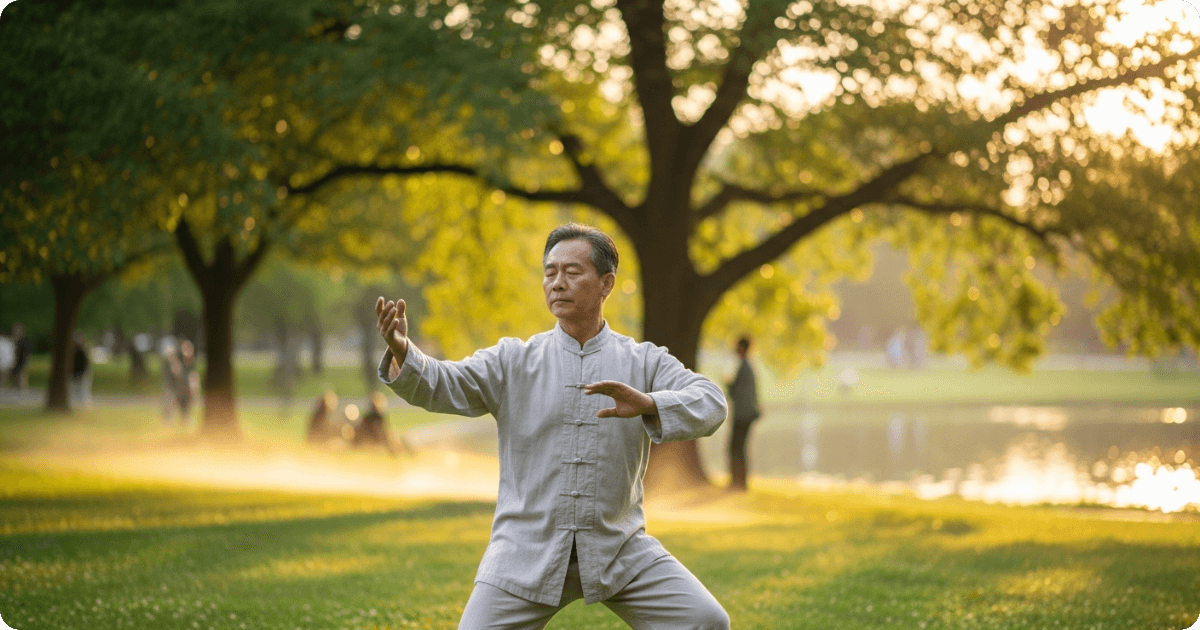
While Qigong offers a gentle and adaptable pathway to better health, it’s important to recognize situations where extra caution—or even avoidance—is appropriate. Most people can practice safely, but certain health conditions require tailored approaches.
Individuals with serious musculoskeletal injuries, unsteady balance, or acute joint inflammation should consult a healthcare professional before beginning. Likewise, anyone recovering from recent surgery, experiencing uncontrolled cardiovascular problems, or severe osteoporosis may face increased risk of strain or falls during movement.
Pregnant people, while often able to benefit from Qigong, should stick to gentle forms and avoid postures or movements that put pressure on the abdomen or cause discomfort. Qigong may also not be suitable for individuals with severe psychiatric disorders, especially if unsupervised, as meditative techniques can sometimes intensify certain symptoms.
Following general safety tips can greatly reduce risk:
- Warm up before practicing
- Listen to your body—stop if you feel pain, dizziness, or shortness of breath
- Modify or skip movements that feel unsafe
- Choose well-lit, clutter-free spaces to reduce falls
Expert guidelines consistently recommend seeking instruction from qualified teachers, especially if you have ongoing health issues. Some hospitals and wellness centers offer tailored Qigong sessions for people with chronic conditions, ensuring safe adaptation.
When in doubt, speak with your doctor or a certified instructor before starting your routine. With the appropriate precautions, Qigong remains an empowering mind–body practice for most, but safety and self-awareness must guide every session.
Conclusion
Qigong blends ancient wisdom with modern insights to promote both body and mind wellness. By weaving together breath, gentle movement, and focused attention, this time-tested practice offers real, research-backed benefits—from stress reduction to improved balance and immune strength.
Anyone, no matter age or fitness level, can adapt Qigong into their daily routine. By nurturing the smooth flow of energy, Qigong supports holistic health and resilience for the long term.
If you’re ready to invest in your well-being, exploring Qigong health benefits is a natural place to start. Seek out credible resources, listen to your body, and enjoy the journey towards greater vitality and calm.