- Understand Ayurveda and the Doshas in Weight Loss
- Identify Root Causes of Weight Gain in Ayurveda
- Harness Turmeric Tea Detox in Ayurvedic Weight Loss
- Plan an Ayurveda-Inspired Meal and Recipe Guide
- Integrate Lifestyle Habits for Sustainable Ayurvedic Weight Loss
- Recognize Precautions and Who Should Avoid Certain Ayurvedic Practices
- Conclusion
- FAQs
Ever feel like you’re doing everything right to lose weight, yet the scale refuses to budge? You’re not alone—and that’s where Ayurveda’s ancient wisdom offers a fresh perspective. Unlike countless one-size-fits-all diets, Ayurveda digs deep, mapping your unique dosha makeup and daily habits to your body’s inner rhythms.
By understanding what drives your metabolism and triggers stubborn weight gain, you can finally address the root causes—not just the symptoms. In this article, you’ll uncover the most practical Ayurveda weight loss secrets, from targeted foods and herbal blends to time-tested routines and detox tips. Ready to discover a holistic approach that fits you, not the other way around? Let’s dive in and unlock a path to weight loss that’s built to last.

Understand Ayurveda and the Doshas in Weight Loss
Ayurveda, the ancient Indian system of holistic health, is built around the concept of three fundamental energies known as doshas: Vata, Pitta, and Kapha. Each dosha represents a unique blend of elements and energies influencing both physical and mental characteristics.
Vata, composed mainly of air and space, governs movement and flexibility within the body. People with dominant Vata tend to have a light frame and fast metabolism but may experience erratic digestion or trouble maintaining a steady body weight if imbalanced.
Pitta, made up of fire and water, oversees metabolism, digestion, and energy production. Those with strong Pitta traits usually have a medium build, sharp appetite, and efficient fat metabolism, yet can be prone to overheating, irritability, or digestive inflammation.

Kapha, comprised of earth and water, controls structure, stability, and lubrication. A Kapha-dominant individual may naturally have a sturdier body, slower metabolism, and a greater tendency to store excess fat, making weight loss more challenging when out of balance.
Unlike conventional methods focused mostly on calorie counting or standardized diets, the Ayurvedic practice takes an individualized approach. It considers each person’s unique dosha constitution—or “Prakriti“—along with current imbalances, to craft a tailored, sustainable weight management plan.
For example, a Kapha type struggling with obesity may benefit from invigorating spices and more movement, while a Vata type can focus on grounding and nourishing meals for stable energy. Recognizing your specific doshic makeup is crucial, since the same intervention may not yield equal results for everyone.
Understanding which dosha—or combination of doshas—dominates your natural constitution empowers you to make dietary and lifestyle choices that enhance, not hinder, your weight loss journey. By accounting for individual variation, the Ayurvedic approach aims to restore natural weight balance and optimal wellness rather than enforcing one-size-fits-all solutions.

Identify Root Causes of Weight Gain in Ayurveda
Ayurveda views excess weight, particularly stubborn fat, as a symptom of underlying imbalances—especially an aggravated Kapha dosha. Several factors can tip the Kapha scale, such as habitual overeating, a sedentary lifestyle, indulging in processed or heavy foods, and using food to cope with emotional turbulence.
Modern living often adds to these challenges. Chronic stress, hectic schedules, and poor sleep can throw off metabolic harmony, further accelerating Kapha accumulation.
Consistently eating late at night, snacking mindlessly, or consuming too many sweet, oily, or cold foods disrupts digestion and slows metabolism. Emotional stress and fatigue often drive unhelpful cravings, leading to excess calorie intake and decreased motivation for physical activity.
Staying up late, lack of daily movement, and minimal relaxation time also elevate Kapha, gradually increasing weight gain risk. Additionally, a diet heavy in refined sugars, fried foods, or dairy products encourages fat deposition and sluggish metabolism, both hallmarks of Kapha imbalance.
Ayurveda underscores the importance of aligning daily routines—such as meal timing, sleep, and movement—with natural cycles to support weight loss. Following regular meals, practicing mindful eating, and maintaining a consistent sleep schedule help regulate appetite, digestion, and fat metabolism.
For those aiming to lose weight the Ayurvedic way, awareness and consistent adjustment of lifestyle factors are just as important as dietary change. Restoring balance to Kapha through conscious, intentional living paves the way for sustainable weight loss and improved overall wellness.

Adopt Daily Ayurveda Weight Loss Secrets for Reducing Kapha
Ayurveda emphasizes a daily routine tailored to pacify excess Kapha and support natural weight balance. The most effective daily habits include choosing a light, warm, and mainly plant-based ayurvedic diet, paired with regular movement and mindful routines.
Start your day early—Kapha energy is at its peak in the morning, so waking up before sunrise enhances alertness and healthy metabolism. Warm water with ginger or lemon kickstarts digestion, while a brisk walk or 20 minutes of invigorating yoga practice helps mobilize excess fat and combat a sluggish metabolism.
Meal timing matters just as much as content. Favor a light breakfast, a substantial lunch, and an early, easy-to-digest dinner. Keep daily meals consistent, avoid snacking after dusk, and space out eating to give your gut health a chance to reset between meals.
Mindful eating is central in ayurvedic weight loss practices. Eat without distractions, chew thoroughly, and stop before you’re completely full to prevent overeating and unhealthy cravings. Focus on foods that are light and dry in nature, such as roasted vegetables, lentils, leafy greens, and whole grains.
Warm soups—like this simple Turkey & White Bean Soup—can help satisfy appetite without weighing down digestion. Add legumes or fiber-rich dishes like Moong Dal Chaat for a protein boost that keeps you fuller for longer.
Kapha-pacifying spices, such as black pepper, cumin, turmeric, and ginger, stoke digestive fire (Agni) and support fat metabolism. Limit cold, oily, or heavy foods, dairy, processed meals, and sugary snacks, as these aggravate Kapha and slow weight loss progress.
Stay hydrated with herbal teas, but avoid excessive caffeine and cold drinks. End the day with gentle stretching or a calming routine to soothe both body and mind. For more essential practices and practical tips, refer to the Ayurveda guide.
Choose Top Ayurvedic Herbs for Weight Loss
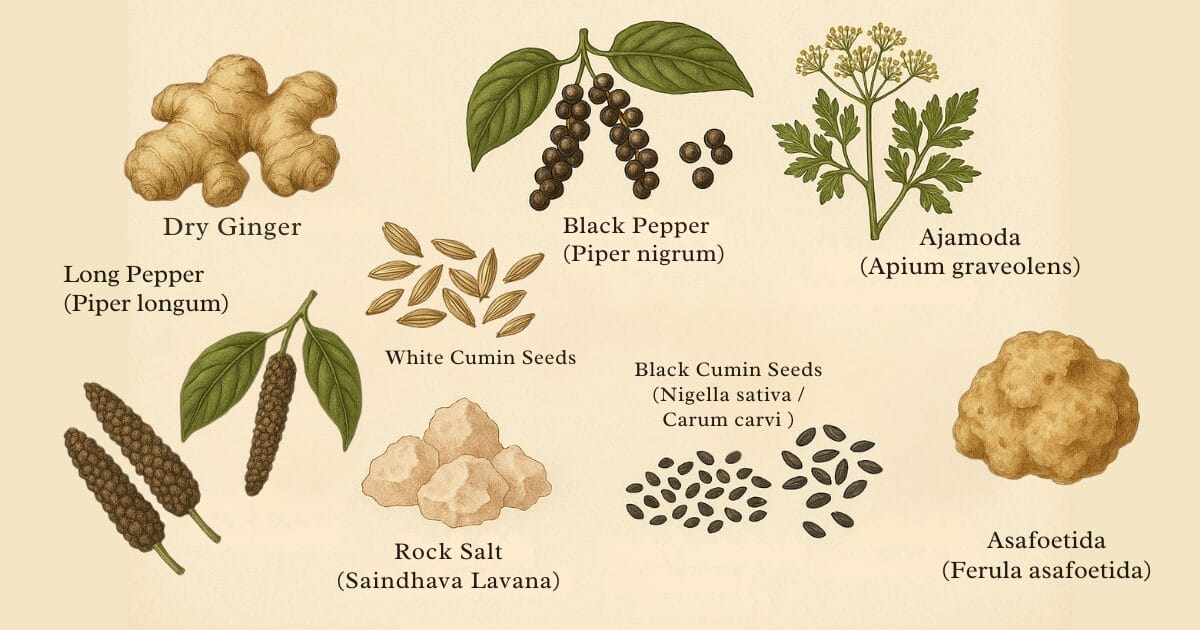
Ayurvedic medicine includes time-tested herbal blends that promote healthy weight management by supporting digestion, fat burning, and metabolic balance. Among the most celebrated are Ashta Churna, Trikatu Churna, and Triphala Guggulu.
Ashta Churna is an eight-spice blend known to enhance digestion and reduce bloating. By warming the digestive tract, it encourages efficient metabolism and healthy elimination—essential for addressing stubborn, excess Kapha.
Trikatu Churna—a mix of black pepper, long pepper, and ginger—stimulates digestive fire and helps break down heavy, fatty foods. Traditional ayurvedic texts praise Trikatu for its ability to mobilize stored fat and curb sluggish metabolism, making it valuable during any weight loss journey.
Triphala Guggulu combines Triphala (three cleansing fruits) and Guggulu resin. This blend is credited with reducing excess adipose tissue and purifying the body’s channels. Preliminary studies suggest positive outcomes for metabolic syndrome and mild obesity, though more large-scale research is needed.
Another widely used formula is Methi, Ajwain, Kali Jeeri Powder. This trio harnesses fenugreek (methi) to regulate appetite, ajwain for boosting Agni, and kali jeeri (bitter cumin) for its reputed fat-mobilizing effects.
For those seeking natural support with cravings and blood sugar, consider cinnamon for weight loss. Cinnamon helps moderate insulin response and can easily be incorporated as tea or a spice in daily recipes.
While these herbs offer powerful support, they are not a magic weight loss formula. Always source from reputable providers to avoid contamination. Some blends may interact with prescription medication or be unsuitable for those who are pregnant or have certain health conditions. Consultation with an ayurvedic doctor or qualified practitioner ensures safe personalization of herbal regimens within a holistic weight loss program.

Harness Turmeric Tea Detox in Ayurvedic Weight Loss
Turmeric is more than just a golden spice in Indian kitchens—it’s a time-honored ally in the Ayurvedic approach to weight management. Curcumin, the active compound in turmeric, is widely researched for its ability to stimulate metabolism, reduce inflammation, and support the body’s fat-burning mechanisms.
Scientific studies have shown that curcumin can help modulate certain hormones related to obesity and help decrease fat tissue growth. Its potent anti-inflammatory properties also address internal imbalances that often lead to sluggish metabolism and weight gain.
To effectively use turmeric for detoxification and weight loss, a simple daily turmeric tea can be prepared. Start by simmering a cup of filtered water, adding half a teaspoon of organic turmeric powder, a pinch of black pepper (to boost absorption), and optional ingredients like fresh ginger or lemon for taste. Let it steep for five minutes before straining and drinking, ideally on an empty stomach to prime your digestive system for the day.
Regular consumption of turmeric tea has been shown to not only support fat metabolism but can also help curb unhealthy cravings and reduce bloating, making it an excellent fit for those looking to burn belly fat. Many who embark on an Ayurvedic weight loss journey combine turmeric tea with other effective strategies, such as intermittent fasting, which further amplifies quick weight loss results.
Integrating turmeric isn’t limited to tea—sprinkle it into daily meals like soups, roasted vegetables, or over beans to maximize its benefits. Just remember, consistency matters, and as always, consult with an ayurvedic practitioner if you’re on medication or have specific health concerns, since excessive intake may interact with certain conditions.
Plan an Ayurveda-Inspired Meal and Recipe Guide
Planning your daily meals the ayurvedic way doesn’t require a rigid diet, but rather guidance toward choices that support metabolic balance and digestive health. An effective Ayurvedic diet approach for weight loss emphasizes regular eating times, fresh, warming, and mostly plant-based ingredients, and spices that stoke digestive fire (Agni).
Here’s a sample day to illustrate:
- Breakfast: Warm stewed apples with cinnamon and cardamom, paired with a light herbal tea.
- Mid-morning: A cup of ginger-lemon tea or a handful of roasted seeds.
- Lunch: A satisfying bowl of Moong Dal Chaat—rich in protein and fiber yet gentle on digestion. Add a side of cooked greens or a seasonal salad drizzled with lemon and black pepper.
- Afternoon snack: Warm herbal soups are ideal, such as Kapha-pacifying lentil or vegetable broths, seasoned with turmeric, cumin, and coriander to enhance fat metabolism.
- Dinner: Vegetable stew with spices, or lightly sautéed greens with quinoa, always focusing on lighter, easily digestible meals. Finish with calming herbal tea if needed.
Portion size should reflect your appetite—not driven by habit or boredom, but true hunger signs. Ayurveda encourages eating until you’re comfortably satisfied, not stuffed, and leaving enough room for your digestive system to work efficiently.
Spices such as cumin, mustard seed, turmeric, and ginger are not only flavorful but vital: they spark digestive fire, help metabolize fats, and prevent sluggishness after meals. Food combinations matter—avoid mixing dairy and fruits, and limit heavy, oily foods when possible to optimize digestion and reduce Kapha accumulation.
For those with dietary restrictions, options abound: swap lentils for mung beans if sensitive to legumes, use gluten-free grains like millet or buckwheat, and select coconut oil in place of ghee if vegan. Listen to your body and make gradual changes rather than drastic cuts—this supports sustainable weight loss and lasting satisfaction at meal times.
The beauty of an Ayurvedic meal plan lies in its adaptability and holistic support for your weight loss journey—mindful eating, diverse nutrients, and meals that truly nourish both body and mind.

Integrate Lifestyle Habits for Sustainable Ayurvedic Weight Loss
Achieving long-term weight management in Ayurveda involves more than just modifying your diet. A holistic shift in daily habits, from movement to self-care, forms the backbone of sustained and balanced weight loss.
Regular exercise such as yoga, brisk walking, or even gentle practices like Tai Chi is encouraged to keep the metabolism active and reduce the sluggishness associated with excess Kapha. Yoga is especially powerful—not only does it support fat metabolism through poses that stimulate digestive organs, but it also calms the mind, reducing stress, a known contributor to weight gain.
Prioritizing quality sleep is another essential factor; poor sleep disrupts hormonal balance and appetite regulation, often triggering unhealthy cravings or late-night eating. Practices like maintaining a consistent sleep schedule and creating a restful evening routine are part of the ayurvedic lifestyle approach.
Stress management techniques play a vital role as well. Meditation, deep-breathing exercises, and mindfulness help break the cycle between emotional eating and weight gain, while calming the nervous system.
Self-care rituals such as Abhyanga (Ayurvedic oil massage) nourish the skin, stimulate lymphatic flow, and promote detoxification, aiding in natural weight balance. Many practitioners and clients report that these holistic routines make it easier to adhere to dietary guidelines and avoid relapse into old habits.
Research suggests combining physical activity, yoga practice, and mindful self-care can significantly improve weight loss outcomes compared to diet alone. Participants in ayurvedic weight loss programs often share testimonials of enhanced energy, clearer mood, and an improved relationship with food when daily routines are realigned with these timeless principles.
Together, these lifestyle adjustments reinforce each other, making the journey toward healthy weight not just possible, but more enjoyable and sustainable over time.

Recognize Precautions and Who Should Avoid Certain Ayurvedic Practices
While many ayurvedic weight loss methods offer gentle and natural pathways to health, not all practices are suitable for everyone. Some ayurvedic herbs, detox routines, or even intense yoga regimens can have potent effects—leading to complications if not matched to your unique health profile.
Certain herbs, for instance, may interact with prescribed medications for blood pressure, diabetes, or cardiac conditions. Herbal blends such as Triphala Guggulu or powders like Methi, Ajwain, Kali Jeeri are generally safe in moderation, but could cause digestive upset or interact with pharmaceuticals if taken improperly.
Pregnant women, elderly individuals, or those with chronic illness should avoid rigorous ayurvedic detoxification therapies or strong herbal preparations unless advised by a qualified practitioner. Many classic remedies—including internal cleanses or fasting—are not intended for those who are underweight, immunocompromised, or recovering from surgery.
Before starting a new ayurvedic regimen—be it herbal supplements, diet modifications, or bodywork therapies—consult your healthcare provider and an experienced ayurvedic doctor. It’s especially important for those on long-term medications, with metabolic disorders, or with unknown allergies, to undergo a thorough ayurvedic assessment so the plan can be safely personalized.
Expert guidance is also recommended if you experience side effects such as persistent digestive discomfort, dizziness, or unexpected fatigue after beginning ayurvedic treatments. An ayurvedic consultation provides the safest way to tailor interventions to your constitution while watching for potential red flags.
By seeking support from both medical and ayurvedic professionals, you can safely integrate these valuable traditions into your wellness journey and enjoy their benefits with confidence.

Conclusion
Ayurvedic weight loss goes beyond simply counting calories—it encourages finding balance among the body’s doshas and addressing the true root causes of weight gain.
By adopting mindful eating habits, using herbs like triphala and turmeric, and integrating regular movement and self-care rituals, you build a holistic foundation for lasting health.
Personalization is key: every individual’s constitution is unique, which means there’s no one-size-fits-all solution.
If you’re ready to embark on this journey, start by tuning in to your body’s needs and gradually weaving Ayurvedic wisdom into your daily life.
Consult a qualified practitioner for tailored advice and safe results—your balanced, sustainable wellness awaits.
FAQs
1. How do I know which dosha is affecting my weight the most?
Understanding your ayurvedic constitution—and thus your dominant dosha—is the first step. Signs of Kapha imbalance (such as sluggish digestion, water retention, or frequent weight gain) often drive stubborn weight. For an accurate assessment, take a dosha quiz or schedule an ayurvedic consultation; an Ayurvedic practitioner can tailor recommendations to support sustainable, healthy weight loss.
2. Are Ayurvedic herbs safe for everyone to use for weight loss?
While many Ayurvedic herbs like Triphala, Trikatu, and turmeric have centuries of safe traditional use in the ayurvedic tradition, they aren’t suitable for everyone—especially pregnant individuals, those with chronic conditions, or anyone on regular medications. Prioritize an ayurvedic consultation with an experienced certified ayurvedic practitioner, introduce small amounts to gauge tolerance, and select high-quality, reputable sources for all herbal products.
3. Can I mix Ayurvedic principles with my current diet or fitness routine?
Absolutely! Ayurveda encourages adapting solutions to your life through ayurvedic lifestyle practices. Begin with lighter dinners, warming spices, and mindful eating—even without a strict plan. Pair your regular exercise with yoga, pranayama, walking, or oil massage to enhance results and support healthy weight loss. The key is gradual integration; small, steady shifts over time make habits stick and feel sustainable.
4. What are some easy ways to start with Ayurvedic weight loss if I’m a beginner?
Begin with simple daily changes: eat your largest meal at lunchtime, favor warm foods and drinks, reduce processed foods, and make time for a short walk after meals. Try turmeric tea in the morning or Moong Dal Chaat as a healthy snack. Small, consistent steps can have a big impact, especially when combined with better sleep and stress management.
5. Are there any risks to following Ayurveda for weight loss?
Most Ayurvedic approaches—like mindful eating, yoga, and natural foods—are generally safe. However, some herbal remedies or vigorous detox practices can cause side effects or interact with medications. Pregnant women, older adults, or those with medical issues should avoid self-medicating and consult a healthcare professional or Ayurvedic expert for guidance. Always listen to your body and seek support if you feel unwell.