

- The Hidden Dangers: Why Go Toxin-Free?
- Core Natural Ingredients That Actually Work
- DIY Natural Kitchen Cleaning Recipes
- Baby-Safe and Pet-Safe Cleaning Adjustments for a Toxin-Free Home
- The Hidden Chemicals in Kitchen Cleaners
- Essential Natural Cleaning Agents for Your Natural Home Detox
- How to Build a Simple Natural Kitchen Cleaning System
Creating a truly healthy home begins in the kitchen. It is a space where food is prepared, meals are shared, and often, harmful chemicals lurk unseen. You deserve an eco-friendly kitchen that nurtures your well-being, free from harsh substances. However the reality is that kitchens are one of the most chemically exposed rooms in modern households.
From synthetic fragrances and antibacterial sprays to chlorine-based disinfectants and degreasers, conventional kitchen cleaners often leave invisible residues behind. These residues don’t just disappear — they remain on food preparation surfaces, in the air you breathe, and eventually in wastewater systems.
Natural kitchen cleaning isn’t about being extreme. It’s about reducing unnecessary chemical load while maintaining effective hygiene. In this complete guide, you’ll learn:
- The hidden chemicals commonly found in kitchen cleaners
- The core natural ingredients that actually work
- Step-by-step DIY recipes for every kitchen surface
- Baby-safe and pet-safe cleaning adjustments
- Environmental considerations
- How to build a simple, effective natural cleaning system
This guide from Healthy Natured empowers you to embrace natural kitchen cleaning. You will discover how to maintain a sparkling, toxin-free home with simple, effective, and eco-friendly methods. Say goodbye to conventional cleaners and hello to a natural home detox. Our comprehensive guide helps you transition to a chemical-free home, ensuring a healthy environment for your family and pets.
The Hidden Dangers: Why Go Toxin-Free?
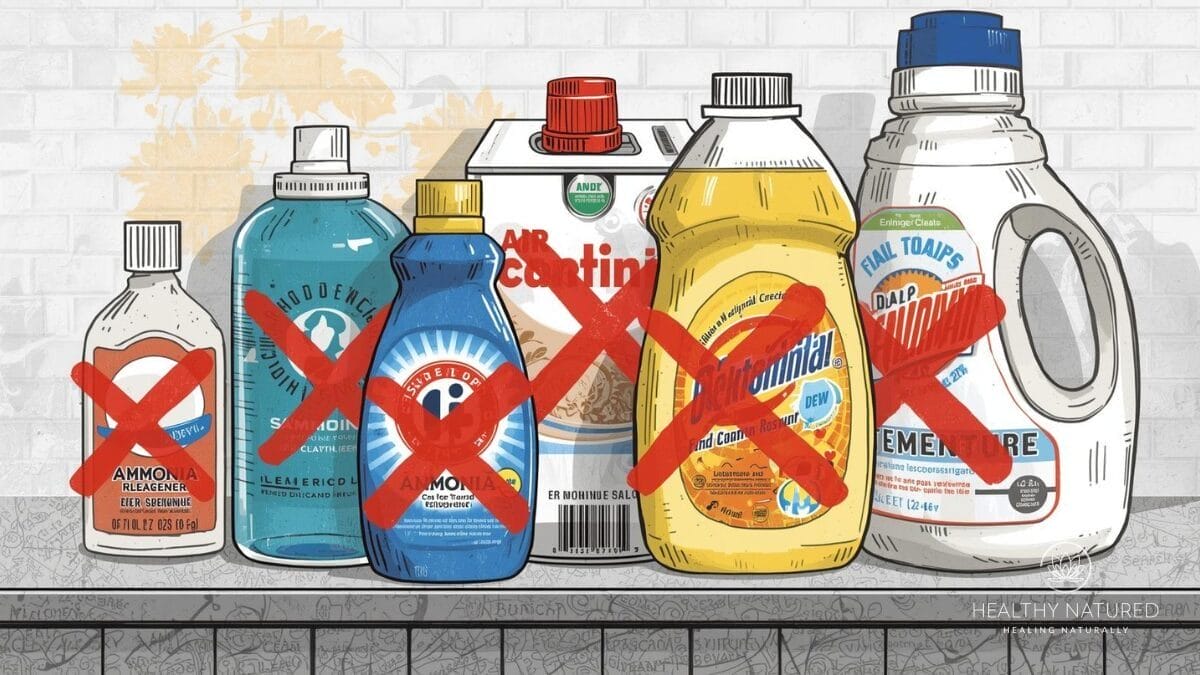
Many conventional kitchen cleaners contain harsh chemicals linked to respiratory issues, skin irritation, and other health concerns. Ingredients like phthalates, ammonia, and chlorine bleach are common culprits, making it essential to adopt toxin-free kitchen practices. By choosing natural and eco-friendly alternatives, you can significantly reduce these harmful substances, which contribute to indoor air pollution and impact your family’s overall well-being.
Most people switch for one of four reasons:
- Health concerns (respiratory irritation, skin sensitivity, endocrine awareness)
- Children and pets
- Environmental impact
- Cost savings
As someone trained in Traditional Chinese Medicine and naturopathic principles, I’ve long taken a systems-based view of health. What we breathe, absorb through skin, and ingest indirectly through surface contact contributes to overall toxic burden. Choosing non-toxic cleaners is a crucial step toward sustainable living, especially when considering eco-friendly alternatives to kitchen cleaning products.
Brands like Branch Basics, Dr. Bronner’s, Ecover, and Biokleen offer excellent choices, but homemade cleaning solutions are often the most effective and affordable way to ensure a truly toxin-free home. If you prefer curated solutions, Green Junkie provides expert recommendations for the best eco-friendly products. Their insights help you navigate the world of non-toxic brands with ease. The kitchen is one of the easiest rooms to optimise.
The Hidden Chemicals in Conventional Kitchen Cleaners
Many conventional cleaners may contain:
- Synthetic fragrance (often dozens of undisclosed compounds)
- Quaternary ammonium compounds (“quats”)
- Chlorine bleach derivatives
- Triclosan (in some antibacterial formulas)
- Ammonia
- Petroleum-based surfactants
Why This Matters
- Fragrance compounds can be respiratory irritants.
- Quats are linked to skin and airway irritation.
- Bleach fumes may aggravate asthma.
- Antibacterial overuse can contribute to microbial resistance patterns.
This doesn’t mean panic is required. It means awareness allows better choices.
Core Natural Ingredients That Actually Work
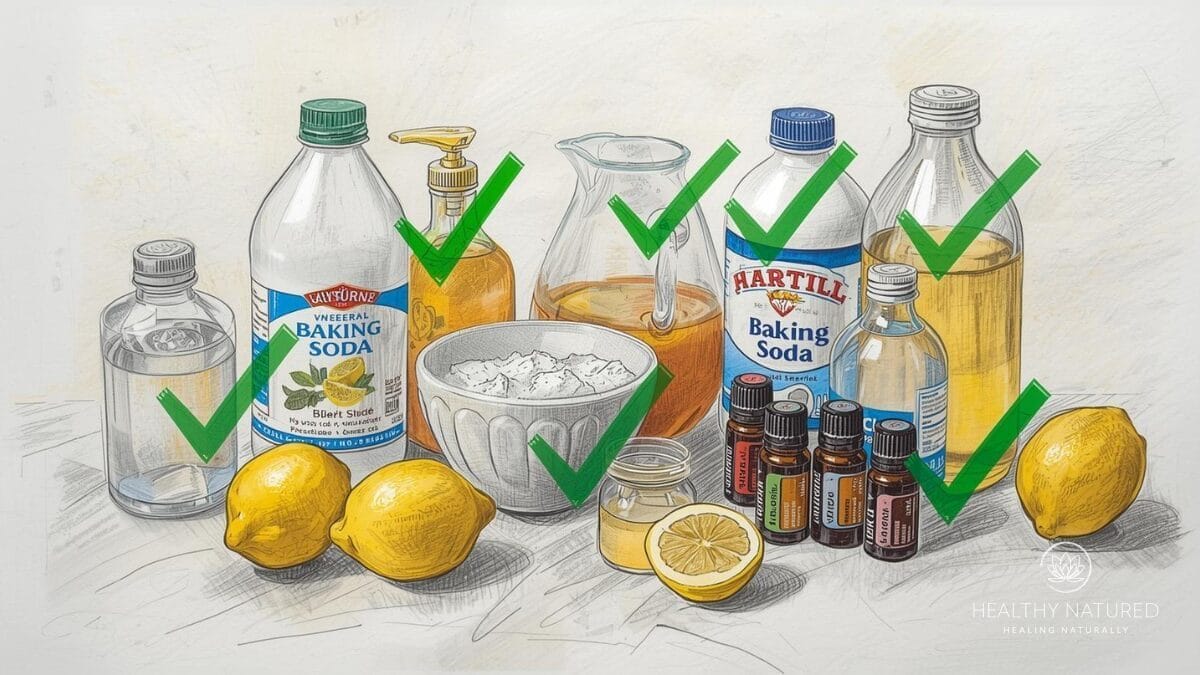
The secret to effective natural kitchen cleaning lies in a few powerful, readily available ingredients. These core components form the basis of most homemade cleaning products and are proven to be highly effective.
Studies highlight that vinegar and sodium bicarbonate are incredibly versatile for numerous kitchen cleaning tasks. This natural disinfectant tackles grease and grime, while the white mineral powder acts as a gentle abrasive and odor absorber.
Other essential ingredients include hydrogen peroxide for its sanitizing properties, lemon juice for cutting grease and leaving a fresh scent, and essential oils like tea tree or lemon for added antimicrobial benefits and fragrance. These natural disinfectants are safe and effective.
For those who want a professional-grade clean with zero toxic residue, Force of Nature uses electricity to turn salt, water, and vinegar into a powerful disinfectant. It is an EPA-registered sanitizer that is safe to use on almost any kitchen surface without rinsing.
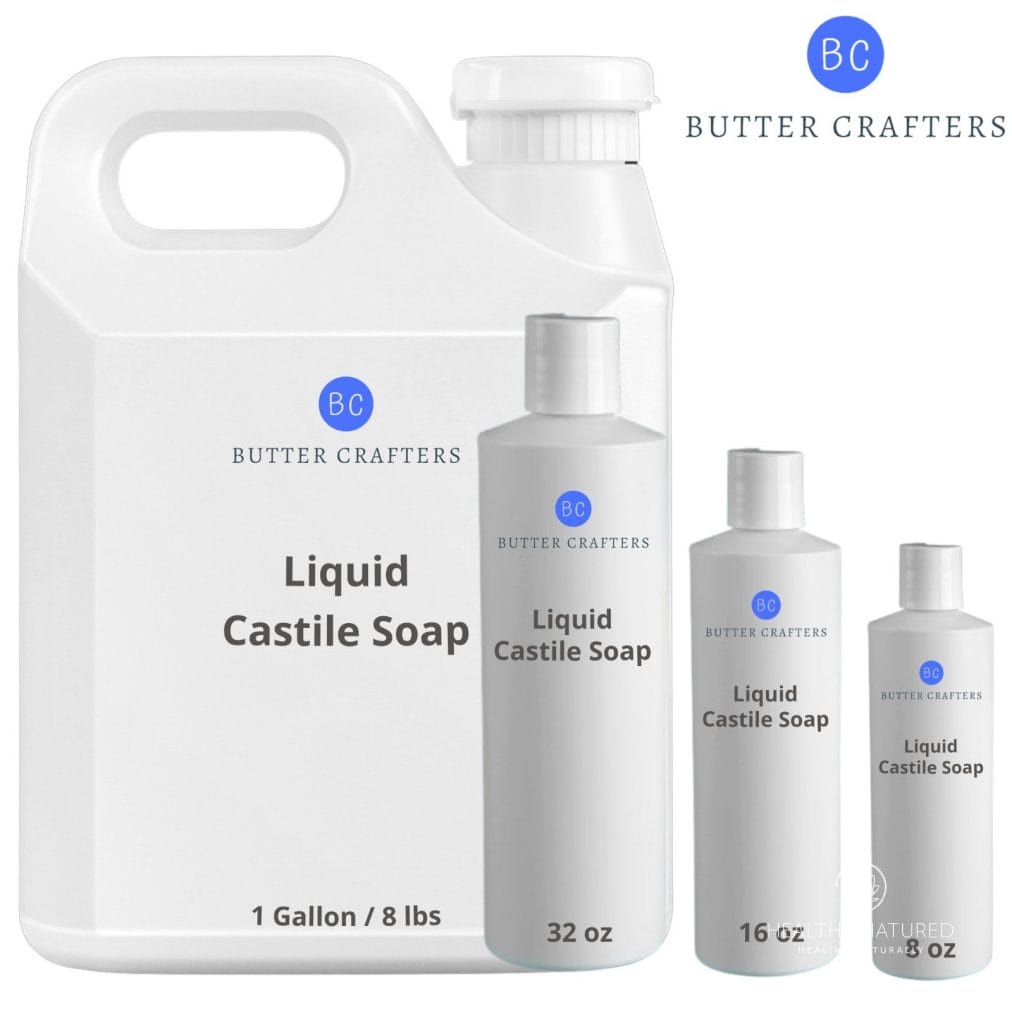
1. Castile Soap
Castile soap is a vegetable-oil-based soap traditionally made from olive oil. Modern versions may include coconut, hemp, or jojoba oils.
Why it works:
- Acts as a surfactant (lifts grease and dirt)
- Biodegradable
- Highly concentrated
- Gentle on skin when diluted
Best used for:
- Counter sprays
- Dish washing
- Floor mopping
- Degreasing
- Hand soap
(See our Complete Guide to Castile Soap for deep dilution charts and uses.)
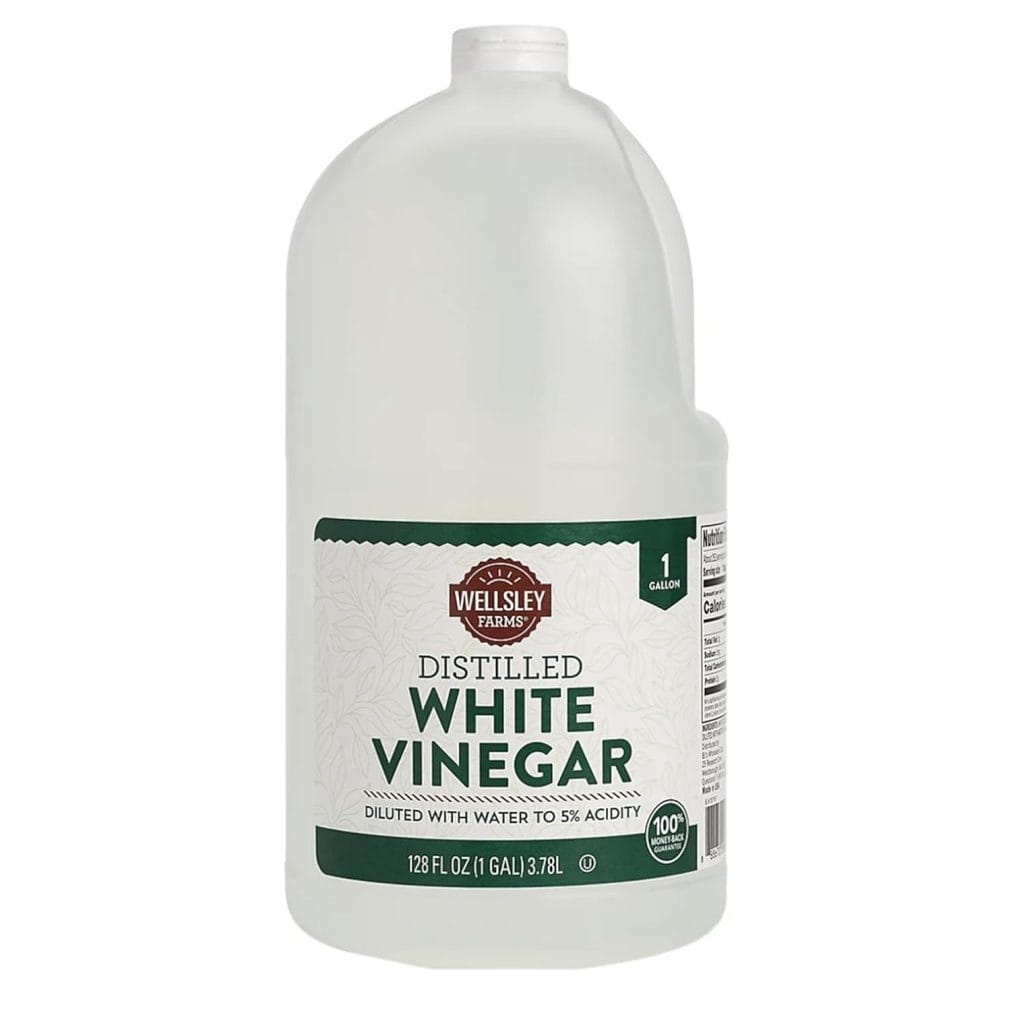
2. White Vinegar
Acidic cleaner that dissolves mineral buildup and neutralises odours.
Best for:
- Descaling kettles
- Cleaning glass
- Removing hard water stains
⚠️ Not suitable for natural stone (marble, granite).
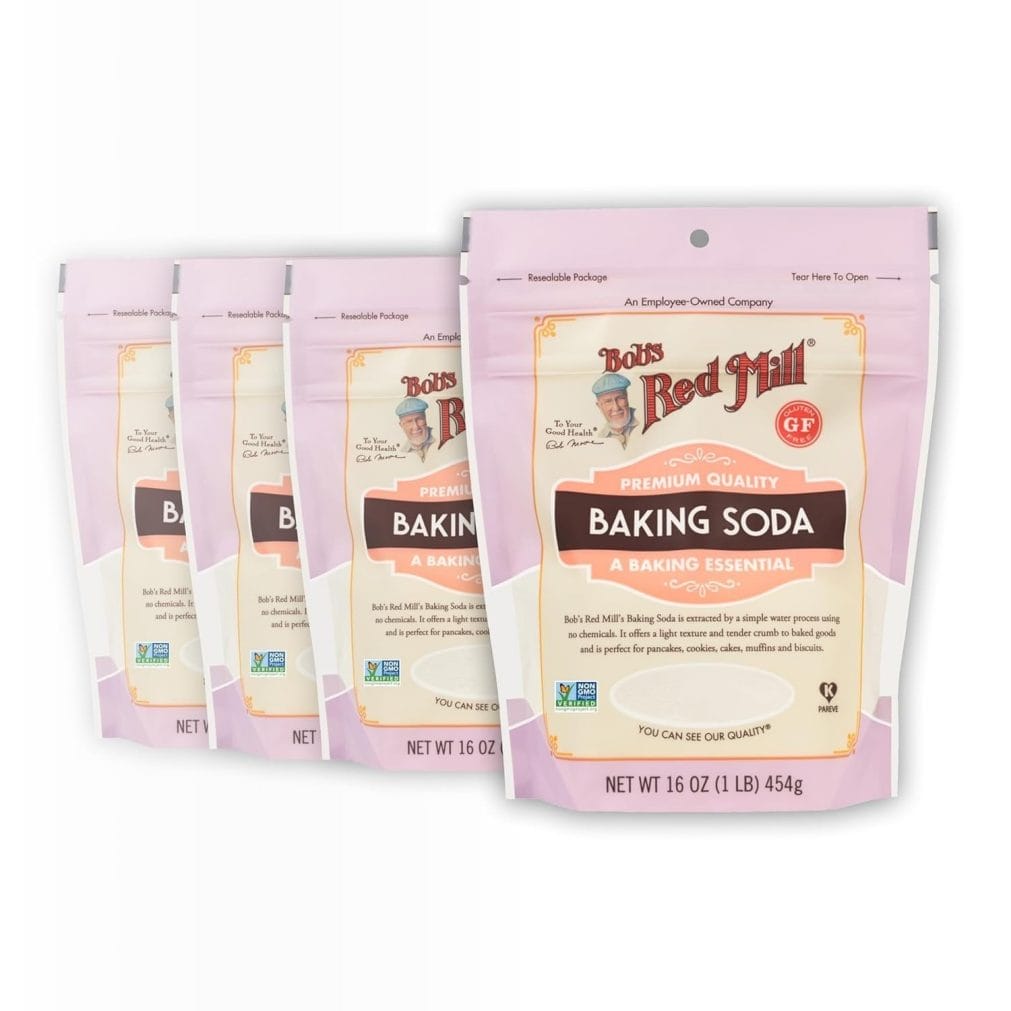
3. Baking Soda (Sodium Bicarbonate)
Mild abrasive and deodoriser. Best for:
- Scrubbing sinks
- Removing stuck-on food
- Deodorising fridge
- Absorbing odours
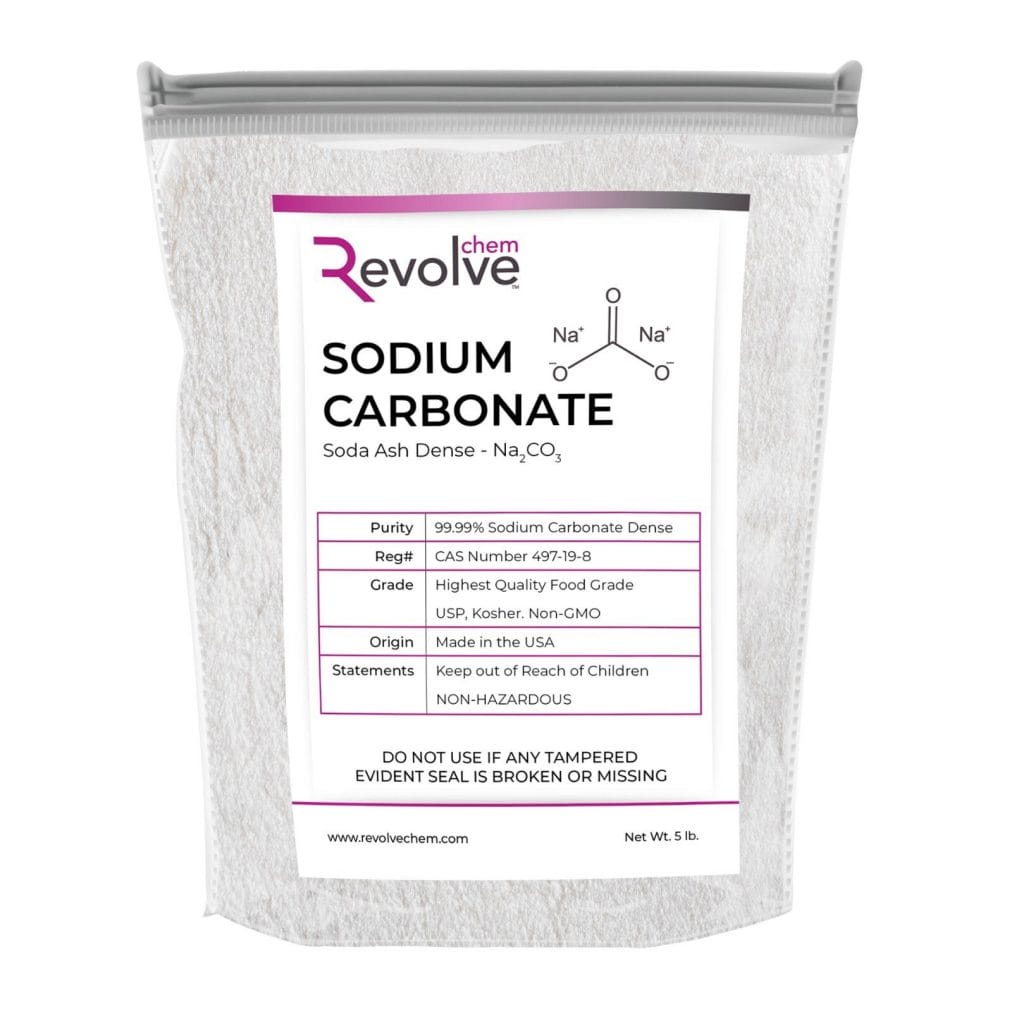
4. Washing Soda (Sodium Carbonate)
Stronger alkaline cleaner for heavy grease.
Best for:
- Oven cleaning
- Grease buildup
- Boosting dish soap
5. Essential Oils (Optional)
Certain essential oils demonstrate antimicrobial properties in laboratory studies. Common kitchen oils:
- Lemon
- Tea tree
- Eucalyptus
- Rosemary
Important: Essential oils enhance cleaning blends but do not replace proper hygiene practices.

DIY Natural Kitchen Cleaning Recipes
Transform your kitchen with these easy-to-make, all-purpose cleaning solutions, using DIY natural cleaning recipes for kitchens that are both effective and toxin-free. These simple recipes make your natural home detox journey enjoyable and approachable, allowing you to create an entire home cleaning handbook with just a few ingredients tailored specifically for your kitchen’s needs.
1. All Purpose Cleaner
Combine one part white vinegar with one part water in a spray bottle. Add 10-15 drops of your favorite essential oil (lemon or tea tree work great for natural disinfectants). This all-purpose cleaner is perfect for countertops, sinks, and most surfaces. It’s a cornerstone of eco-friendly household maintenance.
Adding a few drops of lavender essential oil to your homemade solutions provides a calming aroma and natural antibacterial properties. This floral addition makes your eco-friendly cleaning routine a more nurturing experience for your home.
Safe for: Laminate, Sealed wood (light mist), Sealed stone
Ingredients
- 1 tablespoon liquid castile soap
- 1 cup distilled water
- 8–10 drops lemon + tea tree essential oil (optional)
Instructions
Add soap to a glass spray bottle.
Fill with water.
Add essential oils.
Shake gently before each use.
2. Soft Scrub Paste
Mix 1/2 cup sodium bicarbonate with a few tablespoons of liquid Castile soap (like Dr. Bronner’s Pure-Castile Liquid Soap or Sal Suds) to form a paste. Add a splash of water if needed. This mixture is ideal for scrubbing sinks, tubs, and tough grime without scratching. It’s an excellent natural stain removal solution.
For a reliable grease-cutter, many eco-conscious homes use a small amount of Dawn dish soap diluted in water. It is a practical, effective tool for pre-treating tough kitchen stains before moving to fully plant-based solutions.
Avoid using abrasive natural scrubs on non-stick pans coated with Teflon, as this can damage the surface. Instead, use a soft sponge and mild natural dish soap to maintain their integrity
Perfect for stovetops and rangehoods.
Ingredients
- 1 tablespoon castile soap
- 1 tablespoon baking soda
- 1 cup warm water
Shake before use. Spray and wipe with microfiber cloth.
For heavy grease, sprinkle baking soda directly and scrub.
3. Disinfectant Wipes
Cut old t-shirts or towels into small squares. Place them in a sealed container. In a separate bowl, mix 1/2 cup white vinegar, 1/2 cup water, and 10 drops of tea tree essential oil.
Pour the solution over the cloths. These homemade cleaning products are perfect for quick clean-ups and offer green cleaning methods.
4. Oven Cleaner
Make a thick paste with 1/2 cup of sodium bicarbonate and 2-3 tablespoons of water. Spread generously over dirty oven surfaces, avoiding heating elements.
Let it sit overnight, then spray with vinegar and wipe clean. This method avoids harsh fumes and is a key part of organic cleaning tips.
5. Natural Dishwashing Liquid
If your standard dish liquid struggles with grease. Add the following:
- 1 teaspoon washing soda
- 5 drops lemon essential oil
Shake gently.
6. Sink & Drain Refresh
Pour:
- ½ cup baking soda
- ½ cup vinegar
Let fizz 10 minutes.
Flush with boiling water.
7. Natural Floor Cleaner
This is a great cleaner and safe for both sealed tile or laminate:
- 2 tablespoons castile soap
- 4 litres warm water
Mop lightly. No rinsing required.
8. Fridge Deodoriser
To keep your refrigerator free of odors a simple deodoriser does the trick!
- Open jar of baking soda.
- Add 2–3 drops lemon essential oil.
Replace monthly.
“A natural home detox is about more than just a sparkling space; it is a comprehensive, room-by-room approach to keeping your home healthy, organized, and running efficiently using simple, eco-friendly replacements for chemical-filled cleaners.”
Alison Haynes, Author of Home Detox Handbook

Baby-Safe and Pet-Safe Cleaning Adjustments for a Toxin-Free Home
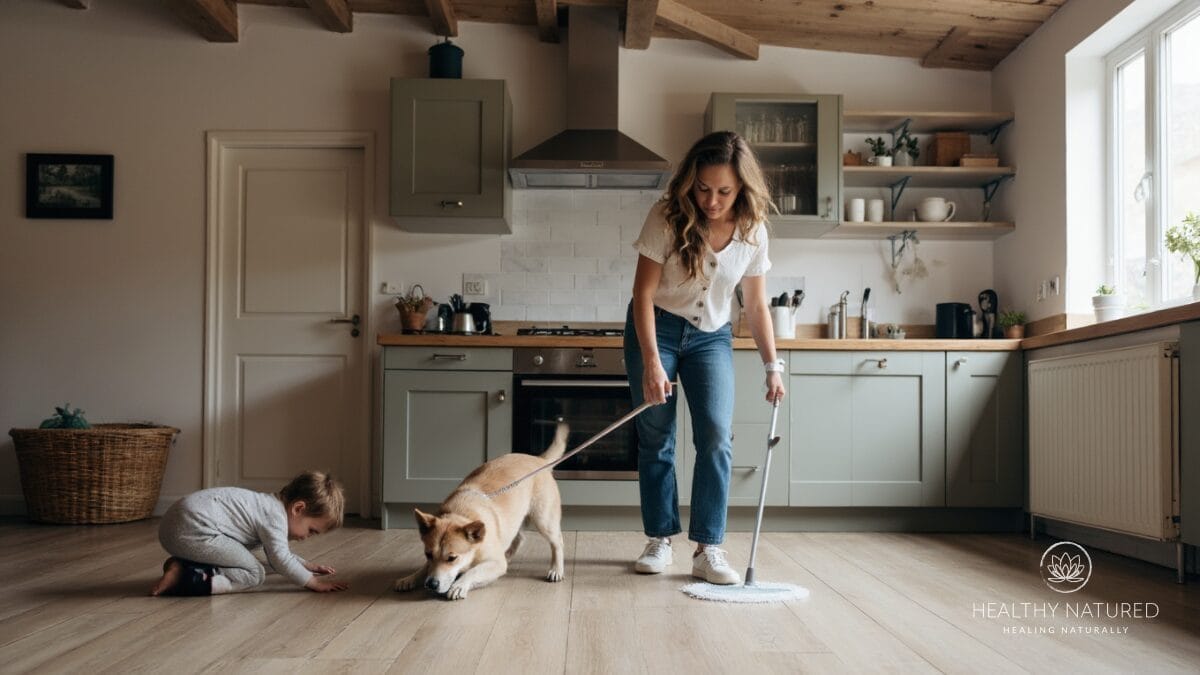
When you have little ones or furry friends, child-friendly cleaning becomes even more critical. You want to ensure every surface is safe for curious hands and paws. This focus on a healthy home guide extends to all members of your family, creating a truly toxin-free home.
Choosing Gentle Ingredients for Your Eco-Friendly Household
Opt for unscented Castile soap, such as Dr. Bronner’s, and skip essential oils if your baby or pet has sensitivities. Many essential oils, while natural, can be harmful to pets. Always research specific oils for pet safety; for example, while lemon essential oil is great for you, it is best avoided around cats.
For a truly eco-friendly household, consider brands like Branch Basics, Ecover, or Biokleen, which offer non-toxic cleaners specifically formulated for sensitive environments. These natural cleaning methods contribute to a chemical-free home.
Washing Produce Safely: Organic Cleaning Tips
If your produce is not organic it needs washing, this is important for reducing pesticide exposure. A simple rinse with water is often sufficient. For a deeper clean, a solution of 1 part white vinegar to 3 parts water can be used, followed by a thorough rinse. This is a key part of eco-friendly cleaning tips for a healthier kitchen.
This approach aligns with the recommendations found in the Home Detox Handbook and advice from experts like Alison Haynes, who emphasize the importance of reducing chemical exposure in all aspects of home life
In homes with babies, toddlers, or pets:
- Skip essential oils on food surfaces
- Use unscented castile soap
- Rinse surfaces if baby eats directly from them
- Store concentrated ingredients safely
Infants have thinner skin barriers and more sensitive respiratory systems. Less is more.
The Hidden Chemicals in Kitchen Cleaners
Many conventional kitchen cleaners contain a cocktail of ingredients that can negatively impact your health and the environment. These substances are often linked to respiratory issues, skin irritation, and even long-term health concerns. You deserve a toxin-free home.
Understanding these hidden chemicals is the first step towards a natural home detox and building a truly healthy home guide.
Common Harmful Ingredients in Non-Toxic Cleaners
You might be surprised by what is in your everyday cleaning products. Here is a look at some common offenders that make non-toxic cleaners essential:
- Phthalates: Often found in fragranced products, linked to endocrine disruption1Phthalates are a large group of chemicals commonly added to plastics to increase their flexibility and durability. They also are often used to carry fragrances, such as those added to cosmetics and other toiletries. Many of those phthalates studied have been found to be harmful for human health. Several phthalates are well known to be endocrine disrupting chemicals (EDCs).
- Ammonia: A respiratory irritant, commonly found in glass cleaners.2Agency for Toxic Substances and Disease Registry (ATSDR). 2004. Toxicological Profile for Ammonia. Atlanta, GA: U.S. Department of Health and Human Services, Public Health Service.
- Chlorine Bleach: Highly corrosive, can cause respiratory and skin damage3The Use of Bleach Centre for Health Protection, Department of Health, Hong Kong Special Administrative Region..
- Triclosan: An antibacterial agent, linked to antibiotic resistance and hormonal disruption4Yueh MF, Tukey RH. Triclosan: A Widespread Environmental Toxicant with Many Biological Effects. Annu Rev Pharmacol Toxicol. 2016;56:251-272. doi:10.1146/annurev-pharmtox-010715-103417.
These chemicals contribute to indoor air pollution, toxicity and create an environment that is far from healthy.
“Making your own all-natural cleaning products is a simple, cost-effective way to eliminate household toxins and reduce plastic waste, as most surfaces can be effectively cleaned and maintained using just a few pantry staples like white vinegar, baking soda, and essential oils.”,
Natural Home & Sustainability Specialist

Essential Natural Cleaning Agents for Your Natural Home Detox
Here are the powerhouse ingredients you will need for your natural kitchen cleaning:
- White Vinegar: A natural disinfectant, deodorizer, and degreaser. Its acidic nature breaks down grime, making it excellent for an all-purpose cleaner.
- Baking Soda: A gentle abrasive, deodorizer, and stain remover. It neutralizes odors effectively and is a key component in baking soda cleaning solutions.
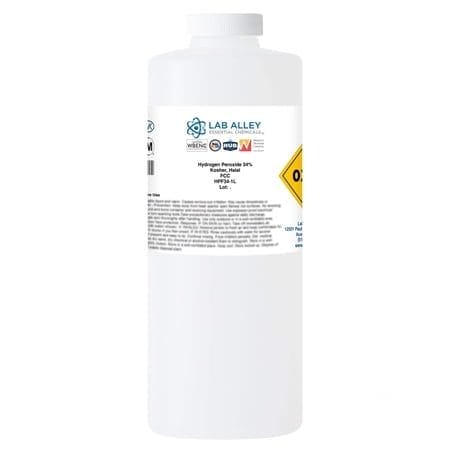
- Hydrogen Peroxide: A powerful disinfectant and whitener. It is a safer alternative to bleach, perfect for hydrogen peroxide cleaning applications.
- Lemon Juice: A natural degreaser and deodorizer, leaving a fresh scent. It’s great for removing kitchen odors naturally.
- Essential Oils: Add natural fragrance and often possess antibacterial properties, like tea tree or lemon oil. These are frequently used in organic cleaning tips.
- Castile Soap: A concentrated vegetable-based soap, perfect for creating homemade cleaning products. Brands like Dr. Bronner’s offer excellent options for eco-friendly household cleaning.
These natural home detox components are safe for your family and the planet, providing chemical-free home solutions. They are crucial for sustainable living and child-friendly cleaning
Understanding Disinfection vs Cleaning
A common question:
“Do natural cleaners disinfect?”
Cleaning and disinfecting are not the same.
- Cleaning removes dirt, grease, and microbes.
- Disinfecting kills microbes.
For routine kitchen hygiene, proper cleaning with soap and water is usually sufficient.
In situations requiring higher sanitation (raw meat contamination, illness), targeted use of stronger disinfectants may be appropriate.
Effective natural disinfectants include white vinegar, hydrogen peroxide (3%), lemon juice, tea tree oil, and vodka, which can kill germs and bacteria without harsh chemicals.
Common DIY recipes combine 1.5 cups water, 0.5 cup white vinegar, and 15-20 drops of essential oils (lemon/lavender) for a spray that should sit for 5-10 minutes.
Environmental Impact of Natural Cleaning
Every time we rinse chemicals down the sink, they enter wastewater systems.
Natural cleaning:
- Reduces aquatic toxicity
- Minimises synthetic surfactant runoff
- Supports septic system health
- Reduces plastic waste (refills)
Castile soap is biodegradable and plant-based, making it significantly lower impact than many synthetic detergents.
Cost Comparison: Natural vs Conventional
- Average conventional foaming hand soap: $3–$5 USD.
- DIY refill: approximately 50c to $1
- A 1L bottle of castile soap can produce 30+ refills.
Natural cleaning is not only healthier — it’s economical.

How to Build a Simple Natural Kitchen Cleaning System
The following is all you need!
Castile Liquid Soap
White Vinegar
Hydrogen Peroxide
That’s your entire system. Everything else is marketing.
Baking Soda
Washing Soda
Microfibre Cloths
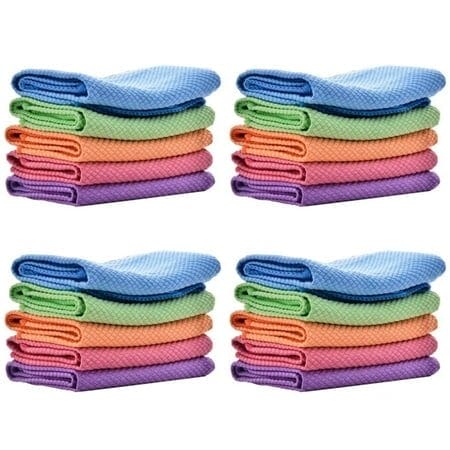
These microfibre cleaning cloths are suitable for cleaning kitchens, bathrooms, and stainless products. They are superior to ordinary cleaning cloths as they do not smear. So are perfect for cleaning glass, windows and mirrors, electronic screens, glasses, musical instruments etc. Use the as dry rags for soaking up liquid spills. They have a high water absorption rate. Use as wet rags for wiping and cleaning. These cloths can be washed and reused hundreds of times, without any worry of ripping or tearing. High-quality reinforced edges prevent the microfibre cloths falling apart; Reusable and machine washable. High recommended!
References
- 1Phthalates are a large group of chemicals commonly added to plastics to increase their flexibility and durability. They also are often used to carry fragrances, such as those added to cosmetics and other toiletries. Many of those phthalates studied have been found to be harmful for human health. Several phthalates are well known to be endocrine disrupting chemicals (EDCs)
- 2Agency for Toxic Substances and Disease Registry (ATSDR). 2004. Toxicological Profile for Ammonia. Atlanta, GA: U.S. Department of Health and Human Services, Public Health Service.
- 3The Use of Bleach Centre for Health Protection, Department of Health, Hong Kong Special Administrative Region.
- 4Yueh MF, Tukey RH. Triclosan: A Widespread Environmental Toxicant with Many Biological Effects. Annu Rev Pharmacol Toxicol. 2016;56:251-272. doi:10.1146/annurev-pharmtox-010715-103417.